
Seto Inland Sea (Seto Naikai)
A sheltered sea between Honshu, Shikoku and Kyushu in Japan, known for many islands, busy coastal ports, fishing and aquaculture, mild climate, scenic culture and historic maritime trade routes.
The Seto Inland Sea is the sheltered body of water that separates and connects the Japanese islands of Honshu, Shikoku and Kyushu. Framed by a long chain of islands, narrow channels and coastal plains, it functions as an inner sea offering calmer waters than the open Pacific and has shaped local transport, culture and settlement patterns for centuries. For general reference see Seto Inland Sea.
Image gallery
10 Images


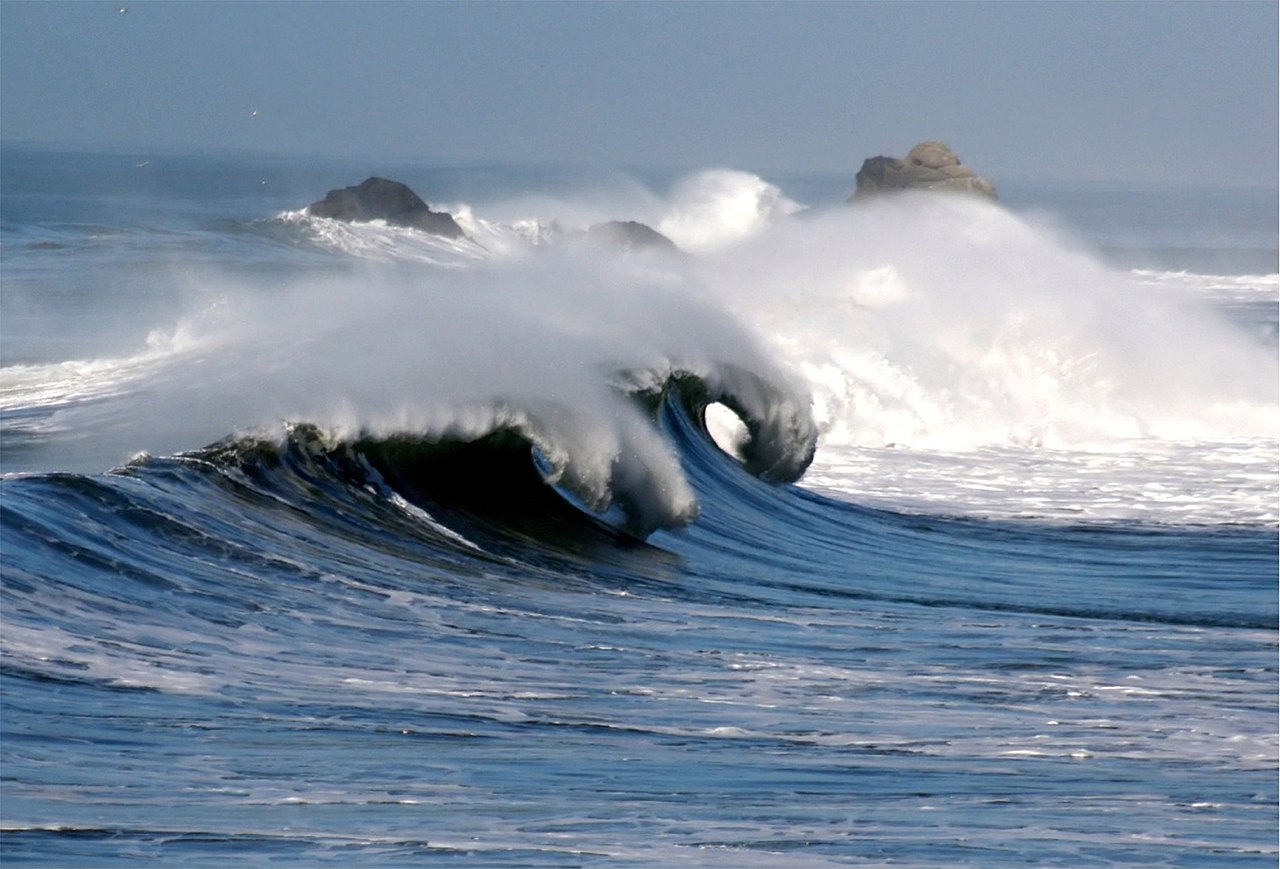


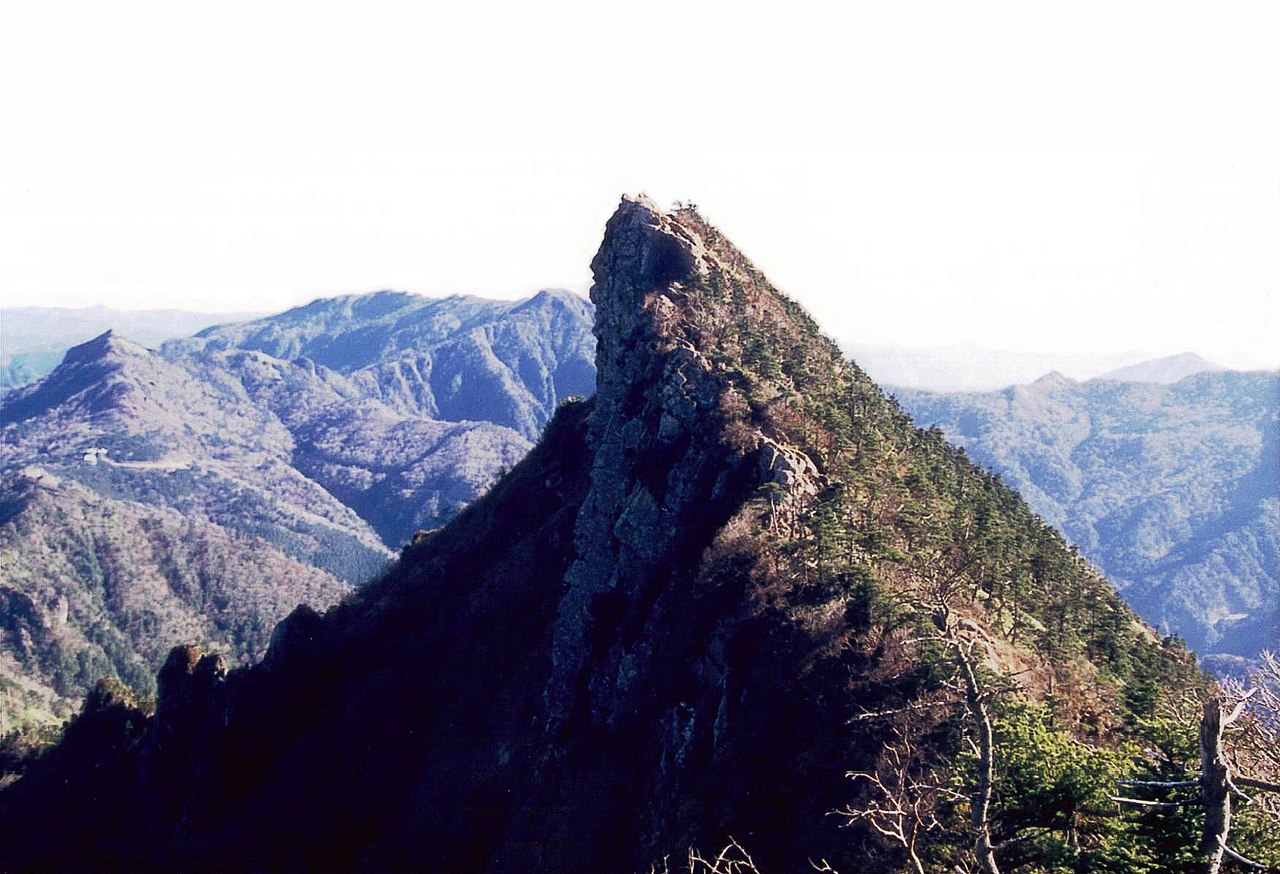

Geography and physical features
The sea lies within the Japanese archipelago and is bordered by multiple prefectures on the three main islands. It contains many small and mid-sized islands that create complex coastlines, shallow basins and tidal channels. These features moderate climate and wave energy, producing relatively mild weather and sheltered harbours that supported dense coastal communities. The area includes designated scenic and protected zones.
Islands and landmarks
- Well-known islands such as Itsukushima (often called Miyajima), Naoshima and Shodoshima attract visitors for shrines, contemporary art and olive groves.
- Architectural links like long bridge crossings and busy ferry routes connect Honshu and Shikoku and sustain regional transport.
- Historic port cities around the sea remain important regional centres for commerce and culture.
The Seto Inland Sea has been a major maritime artery in Japan: from local fishing and salt production to regional trade that supported castle towns and markets. Its protected waters enabled safe passage for coastal shipping and played a role in economic integration of western Japan.
Modern uses include commercial shipping lanes, aquaculture (oyster and seaweed cultivation), tourism and cultural events. Conservation efforts and national-park status in parts of the sea address past industrial pollution and aim to balance development with environmental recovery and recreation. For additional context on the surrounding islands and infrastructure, see information on the broader Japanese island region.
Related articles
Author
AlegsaOnline.com Seto Inland Sea (Seto Naikai) Leandro Alegsa
URL: https://en.alegsaonline.com/art/89166