
Kyūshū — Japan’s southern main island
Kyūshū, meaning “Nine Provinces,” is Japan’s third-largest and southernmost main island, known for active volcanoes, warm climate, historic ports, industrial centers and distinct regional culture.
Overview
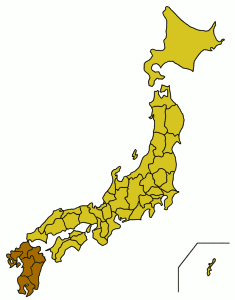
Kyūshū (九州, literally “Nine Provinces”) is one of the four principal islands of Japan. It is the southernmost of the main islands and ranks third in size. The island combines volcanic highlands and coastal plains, producing a variety of ecosystems and human settlements. Kyūshū has long acted as a gateway for trade and cultural exchange between Japan, Korea and the Asian continent.
Image gallery
10 Images





Geography and climate
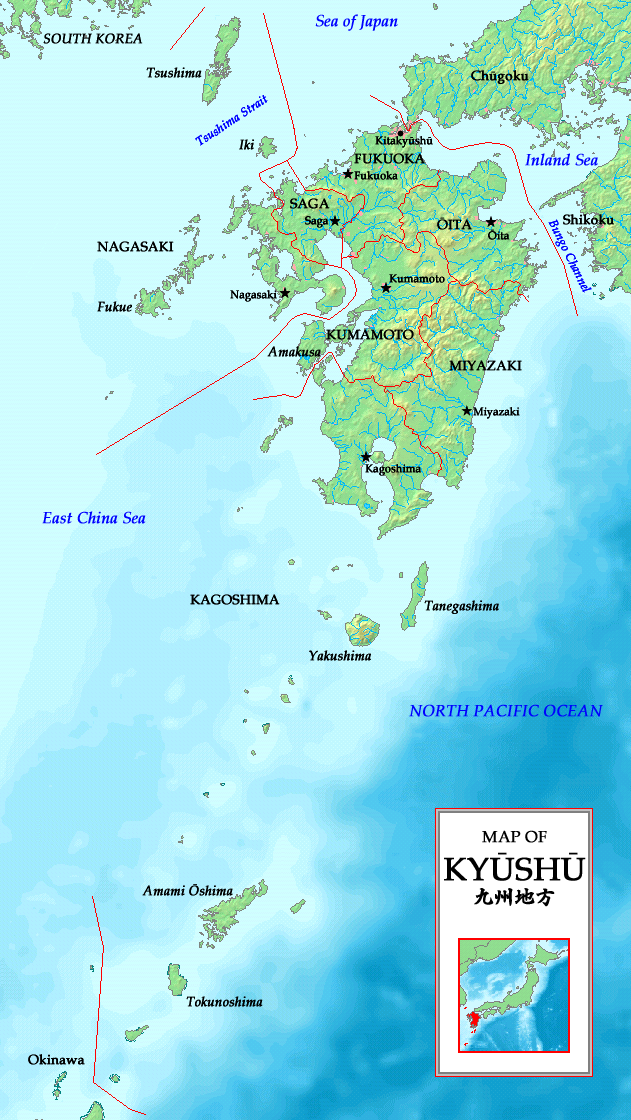
Kyūshū lies on the southwestern side of the Japanese archipelago. The island is geologically active: large volcanoes such as Mount Aso and the frequently erupting Sakurajima shape the landscape and pose seismic and volcanic hazards. Climatically, Kyūshū ranges from temperate in the north to subtropical in the south. Coastal plains and sheltered bays support agriculture, while rugged interior areas remain relatively sparsely populated.
History and development
Historically, Kyūshū was the point of earliest sustained contact with continental Asia, through which Buddhism, advanced metallurgy and new crops entered Japan. It was also the scene of major historical events: medieval trade with Korea and China, defensive actions against attempted Mongol invasions in the 13th century, and later European contacts during the 16th century. In the modern era, parts of Kyūshū experienced rapid industrialization and wartime events that shaped national history.
Economy, culture and uses
The island blends agriculture, heavy industry and services. Fertile plains produce rice, tea and citrus fruits, while coastal shipbuilding, automobile manufacturing and electronics are important industrial activities. Kyūshū is renowned for hot-spring resorts (onsen), traditional crafts and regional cuisines. Local dialects and festivals contribute to a distinctive cultural identity within Japan.
Major cities and transport
- Fukuoka — the island’s largest city and key commercial hub.
- Nagasaki — a historic port with international ties and wartime significance.
- Kumamoto, Kagoshima, Oita and Miyazaki — regional centers with diverse economies.
Fast rail links, including the Kyūshū Shinkansen, connect the island internally and to Honshu across the Kanmon Strait by bridge and tunnel. Ports and airports further support domestic and international movement.
Notable facts
Kyūshū’s volcanic activity makes it a focus for geological study and geothermal energy potential. Its long history of external contact gives the island a particularly international character among Japan’s regions. Tourism, from historic sites to natural attractions and onsens, remains a major economic and cultural asset.
Related articles
Author
AlegsaOnline.com Kyūshū — Japan’s southern main island Leandro Alegsa
URL: https://en.alegsaonline.com/art/54797
Sources
- peakbagger.com : "Kujū-san, Japan"
- books.google.com : books.google.com/books?id=p2QnPijAEmEC&pg=PA588
- books.google.com : "Kyushu"
- lcweb2.loc.gov : "Kyushu"
- books.google.com : "Fukuoka-ken"
- jetro.go.jp : Fukuoka Prefecture, Regional Information
- books.google.com : "Kagoshima prefecture"
- jetro.go.jp : Kagoshima Prefecture, Regional Information
- books.google.com : "Kumamoto prefecture"
- jetro.go.jp : Kumamoto Prefecture, Regional Information
- books.google.com : "Miyazaki prefecture"
- jetro.go.jp : Miyaszaki Prefecture, Regional Information
- books.google.com : "Nagasaki prefecture"
- jetro.go.jp : Nagasaki Prefecture, Regional Information