
Horizontal: direction, meaning, and uses
Horizontal denotes the direction perpendicular to vertical, aligned with the horizon. It appears in geometry, engineering, art and navigation as a reference to levels, planes and lateral orientation.
Definition and basic concept
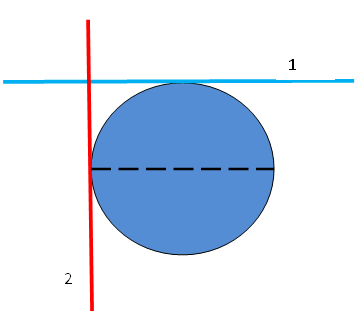
In common usage, horizontal describes a direction or orientation at right angles to the vertical axis. A horizontal line or surface is level with respect to gravity: it neither slopes upward nor downward. The notion is closely tied to the visible horizon and the word itself traces its origin to that visual boundary, often called the horizon.
Image gallery
9 Images




Mathematical and physical meaning
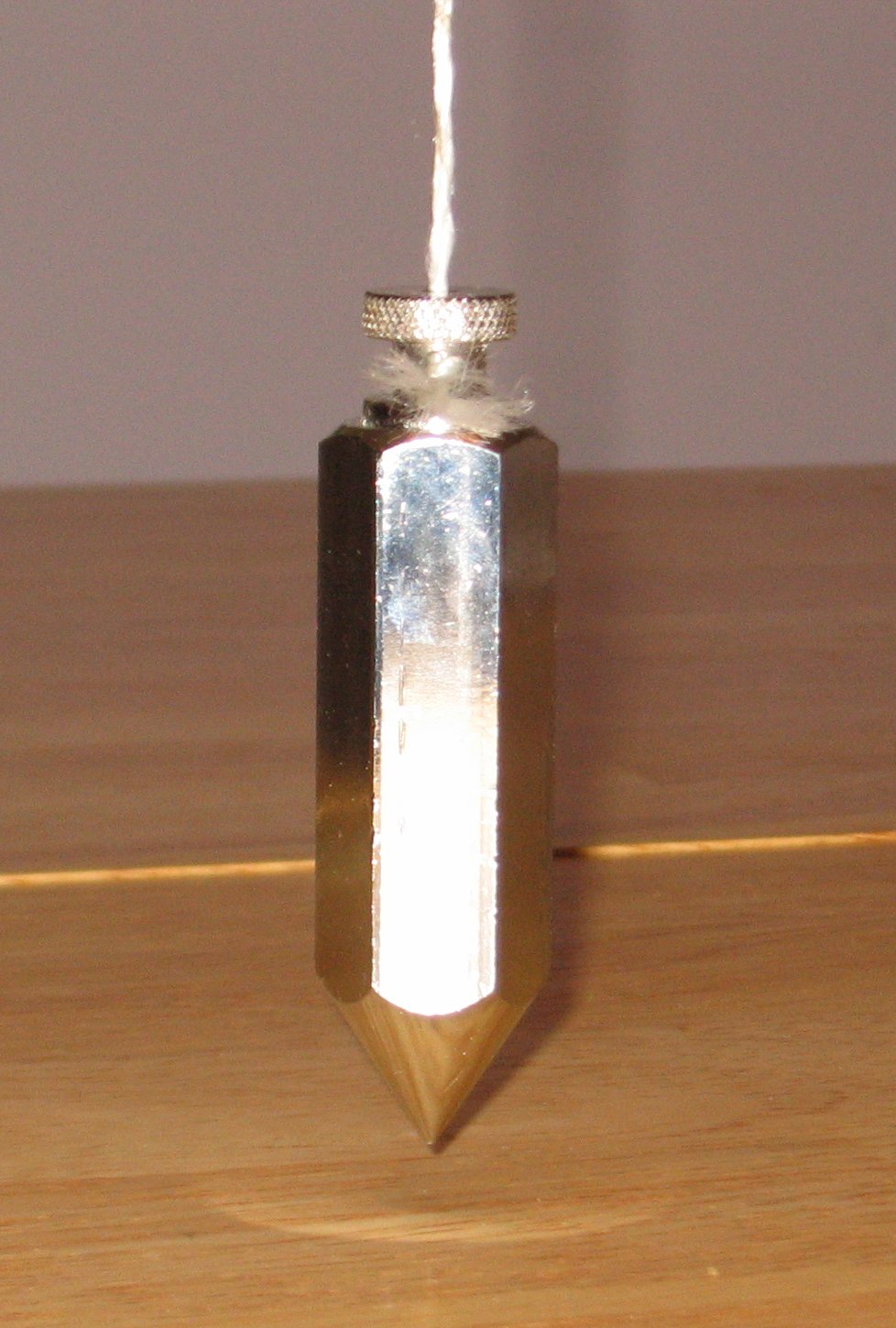
In geometry and physics, horizontal frequently denotes the x-axis in two-dimensional coordinate systems or any line lying in a plane parallel to the ground. A horizontal plane is perpendicular to the local direction of gravity. In surveying and engineering, devices such as spirit levels and theodolites are used to establish true horizontal references.
Everyday examples and applications
Examples of horizontal orientation include tabletops, calm water surfaces, the horizon seen from shore, and architectural floor slabs. In graphic design and user interfaces, horizontal layouts and scrolling direct content laterally. In transportation, road markers and runways are planned with attention to horizontal alignment for safety and efficiency.
Importance and practical distinctions
Understanding horizontal orientation is essential for construction, navigation, and scientific measurement because it provides a consistent baseline against which slopes, heights and angles are measured. A clear distinction exists between horizontal and oblique: horizontal is level, vertical is upright, and oblique indicates any intermediate inclination.
Contexts and related terms
- Level: an object set horizontal with no tilt.
- Horizontal line: geometric line parallel to the horizon in a plane.
- Horizontal plane: a flat two-dimensional surface orthogonal to gravity.
- Axes: in graphs, the horizontal axis often displays the independent variable.
Across disciplines the horizontal serves as a universal reference for orientation and measurement. Whether used by artists establishing a horizon line, engineers designing floor plans, or scientists defining coordinate systems, the concept of horizontal helps organize space and interpret relationships between objects.
Related articles
Author
AlegsaOnline.com Horizontal: direction, meaning, and uses Leandro Alegsa
URL: https://en.alegsaonline.com/art/45112