
Honeycrisp (apple cultivar)
Honeycrisp is a popular apple cultivar developed at the University of Minnesota, known for its crisp texture, sweet-tart flavor, long storage life and strong commercial demand.
The Honeycrisp is a modern apple cultivar developed by the Minnesota Agricultural Experiment Station at the University of Minnesota. Bred for cold climates and eating quality, it was assigned the experimental designation MN 1711 in 1974 and officially released to growers in 1991. Since its release the variety has become highly valued in markets for its distinctive eating characteristics and strong consumer demand; it is widely grown as a commercial fruit variety across temperate apple-growing regions. University of Minnesota plant-breeding work played a central role in its creation and distribution.
Image gallery
5 Images


Key characteristics
Honeycrisp apples are recognized for a combination of texture, flavor and appearance that sets them apart from many older cultivars. Typical attributes include:
- Texture: unusually crisp and juicy, a sensation often described as a satisfying snap when bitten.
- Flavor: a balanced sweet-tart profile with subtly honeyed notes that make it attractive for fresh eating.
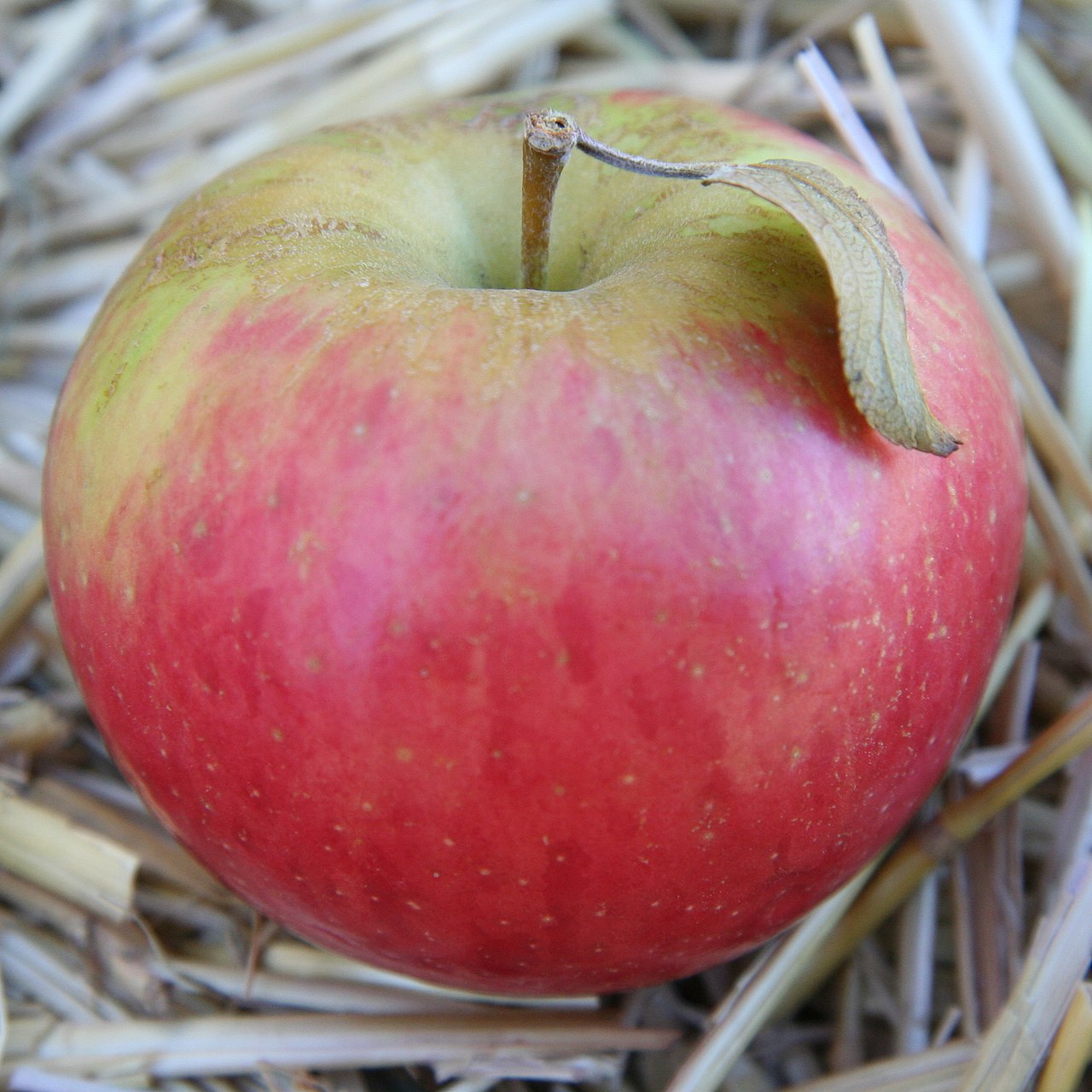
- Appearance: mottled red over a yellow-green ground; the fruit often retains color and visual appeal during storage. Pigment retention is a commonly noted trait.
- Storage: good keeping quality when stored cool and dry; many growers and retailers rely on controlled storage to extend availability. Shelf-life advantages helped its commercial rise.
The variety was widely promoted as a premium fresh-eating apple due to these combined qualities; the texture in particular is tied to its cell structure which produces pronounced juiciness.
Origin and development
Honeycrisp emerged from a structured breeding program aimed at improving fruit quality and winter hardiness for northern climates. The experimental code MN 1711 reflects its place in a larger series of crosses and selections conducted by university horticultural researchers. Released in 1991, it quickly gained popularity among consumers and orchardists because its eating qualities translated into strong retail sales and high demand. Its success illustrates how targeted plant-breeding can change market preferences for fruit.
Uses, cultivation and commerce
The primary use of Honeycrisp is fresh eating; it is commonly served raw in salads, sliced for snacks, or used where a crunchy, juicy apple is preferred. Some cooks also use it in preparations that benefit from texture retention. Commercial production requires orchard management practices such as careful pruning, thinning and monitoring for storage and handling needs. The cultivar's commercial appeal led to rapid adoption and became an important commodity in many producing regions. Commercial growers value it for retail performance.
Notable facts include its rapid rise from an experimental selection to a staple in grocery produce sections, plus the influence the variety has had on consumer expectations for texture and flavor in apples. Because of its popularity, Honeycrisp has influenced breeding targets for new cultivars and remains a reference point for apple quality in both home gardens and commercial orchards.
For growers and consumers alike, Honeycrisp represents a modern success story in fruit breeding: an apple developed for specific climatic and eating traits that found widespread acceptance thanks to its distinctive crunch, flavor, and marketability. Additional information and grower resources are available from institutional and industry sources. Storage guidance and further background can be found through horticultural extension materials. Color and quality notes and breeding program details are commonly cited in cultivar descriptions.
Related articles
Author
AlegsaOnline.com Honeycrisp (apple cultivar) Leandro Alegsa
URL: https://en.alegsaonline.com/art/44989
Sources
- minnesotaharvest.net : The story of Honeycrisp apple