
University of Minnesota, Twin Cities — public research flagship
A comprehensive overview of the University of Minnesota, Twin Cities: campuses, history, organization, research profile, notable alumni and cultural and athletic roles in Minnesota.
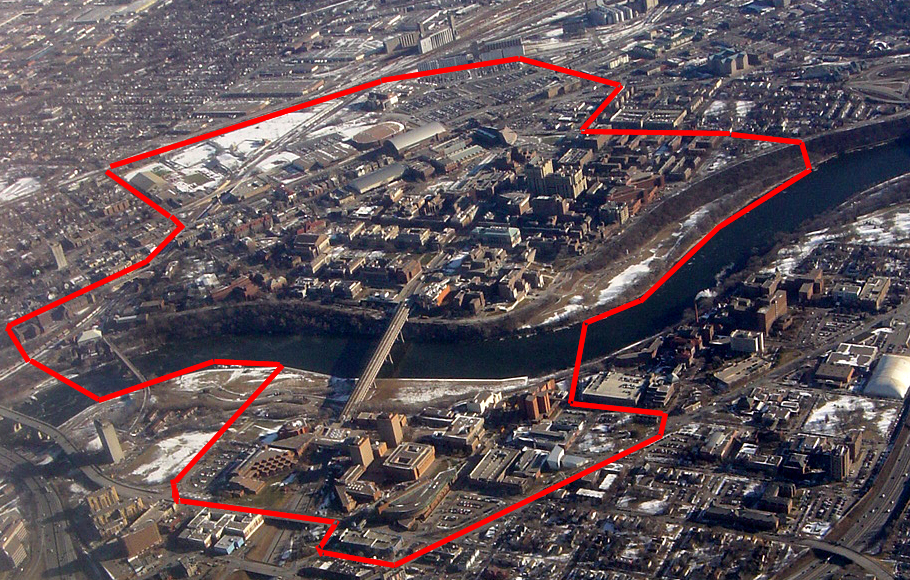
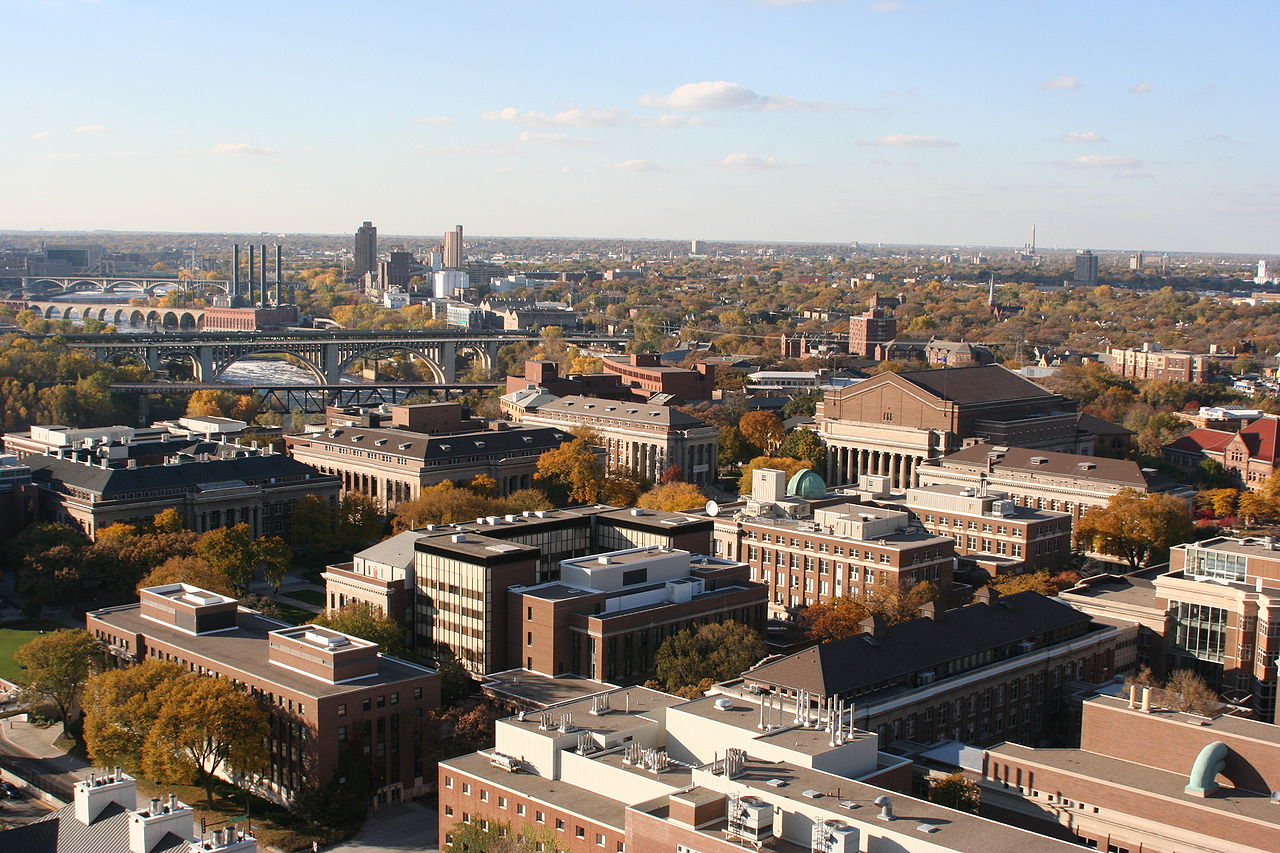
The University of Minnesota, Twin Cities is a large public research university that serves as the flagship campus of the University of Minnesota system. Its main presence is split between two adjacent cities: most academic and residential facilities lie in Minneapolis, while additional colleges and research units are located a few miles away in Saint Paul. Together these sites form the Twin Cities campus, which combines a wide range of undergraduate programs, professional schools and research laboratories.
Image gallery
10 Images




Organization and campuses
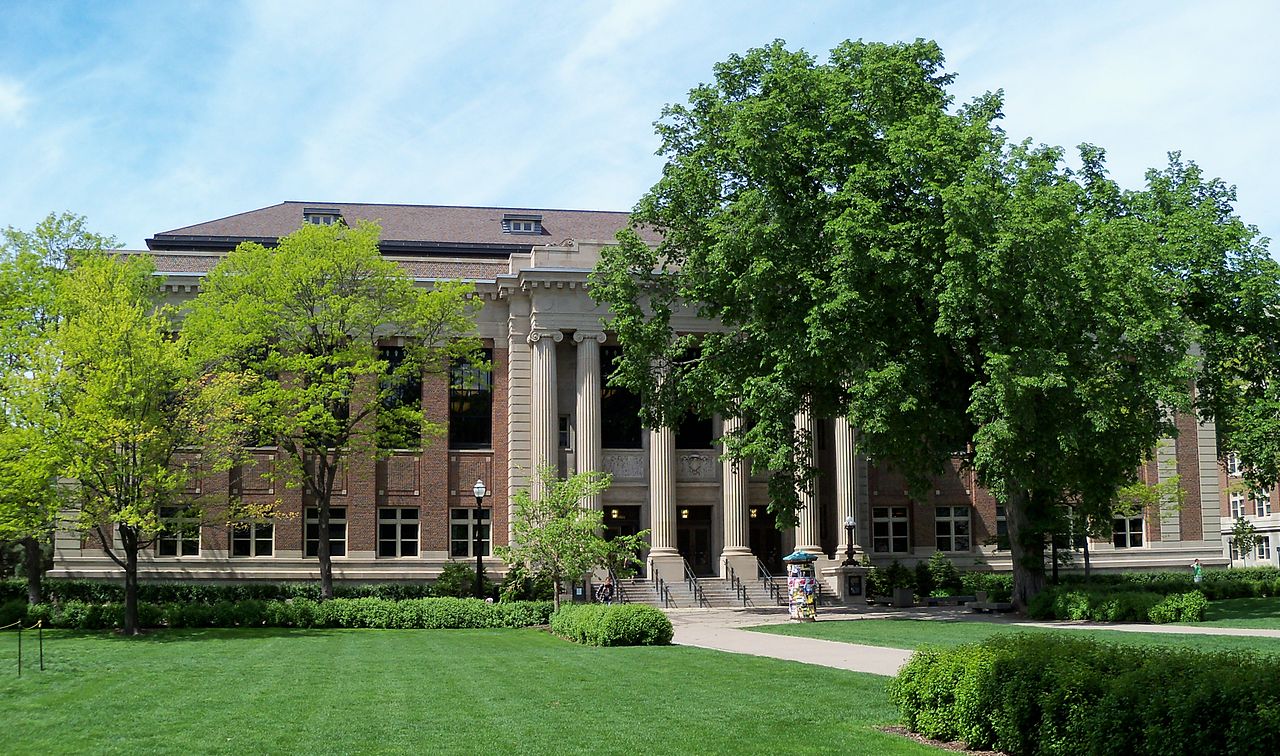
The Twin Cities campus is organized into many colleges and professional schools that cover liberal arts, sciences, engineering, health sciences, law, business and the arts. Typical units include the College of Liberal Arts, the College of Science and Engineering, medical and public health programs, a law school and a business school. These units operate on multiple contiguous campus areas and collaborate with statewide extension offices and research centers. The University functions as the system's flagship institution, with responsibilities for graduate education and statewide research.
History and recognition
Founded in the mid-19th century, the institution has grown from an early state college into a comprehensive research university. It is widely regarded as one of the nation’s leading public universities and is often described as a Public Ivy because of the breadth and quality of its academic offerings, comparable in some respects to private Ivy League institutions. The university is a member of the Association of American Universities, which recognizes research-intensive universities in North America.
Research, teaching and impact
The University of Minnesota is known for research across engineering, agriculture, medicine, environmental science and the social sciences. Faculty, researchers and alumni have received a range of prestigious honors, including multiple Nobel Prizes and Pulitzer Prizes, reflecting contributions to science, literature and public life. The university supports large-scale research facilities and interdisciplinary initiatives that address state and national challenges.
Notable alumni and public role
Alumni of the University of Minnesota have played prominent roles in politics, culture and business. Among well-known former students are political figures such as Hubert Humphrey and Walter Mondale, and cultural figures such as musician Bob Dylan. The campus also serves as a training ground for professionals who go on to lead public institutions and private enterprises in Minnesota and beyond.
Campus life and traditions
Student life is marked by a variety of cultural organizations, research opportunities, and athletic traditions. The university's teams are commonly known as the Golden Gophers, a nickname that appears across campus events and alumni circles. Beyond athletics, campus spaces host public lectures, arts performances and community outreach that connect the university to the wider region.
- Overview: flagship public research university located in two cities.
- Academics: broad range of undergraduate, graduate and professional programs.
- Research: recognized for contributions in science, health and public policy.
- Legacy: long history, notable alumni and significant cultural impact in Minnesota.
Together, these elements make the University of Minnesota, Twin Cities a central institution for higher education and research in the Upper Midwest, combining statewide service with international research collaborations and a diverse campus community.
Related articles
Author
AlegsaOnline.com University of Minnesota, Twin Cities — public research flagship Leandro Alegsa
URL: https://en.alegsaonline.com/art/103287
Sources
- regents.umn.edu : "Board of Regents Policy"
- nacubo.org : "U.S. and Canadian Institutions Listed by Fiscal Year (FY) 2016 Endowment Market Value and Change in Endowment Market Value from FY 2015 to FY 2016"
- finance.umn.edu : "University of Minnesota Budget"
- oir.umn.edu : "University of Minnesota: Employee Head Count"
- oir.umn.edu : "Official Enrollment Statistics"
- ur.umn.edu : "Our Brand: How to Convey It"
- scholarswalk.umn.edu : "University of Minnesota: Scholars Walk"
- www1.umn.edu : "Academics"
- academic.umn.edu : "Academic Affairs and Provost : University of Minnesota"
- shanghairanking.com : "Academic Ranking of World Universities 2017: USA"
- forbes.com : "America's Top Colleges"
- colleges.usnews.rankingsandreviews.com : "Best Colleges 2017: National Universities Rankings"
- washingtonmonthly.com : "2016 Rankings - National Universities"