
Holyrood Abbey
Ruined Augustinian abbey in Edinburgh founded by King David I in 1128; now a historic ruin adjacent to the Palace of Holyroodhouse and a site of national significance.
Overview
Holyrood Abbey is the remains of an Augustinian monastery located at the eastern end of Edinburgh's Royal Mile. Its name derives from "Holy Rood," an old English term for the Holy Cross, reflecting medieval claims that a fragment of the True Cross was once kept there. The abbey complex originally combined monastic functions with a close relationship to the Scottish crown and the later royal palace that stands beside it.
Image gallery
10 Images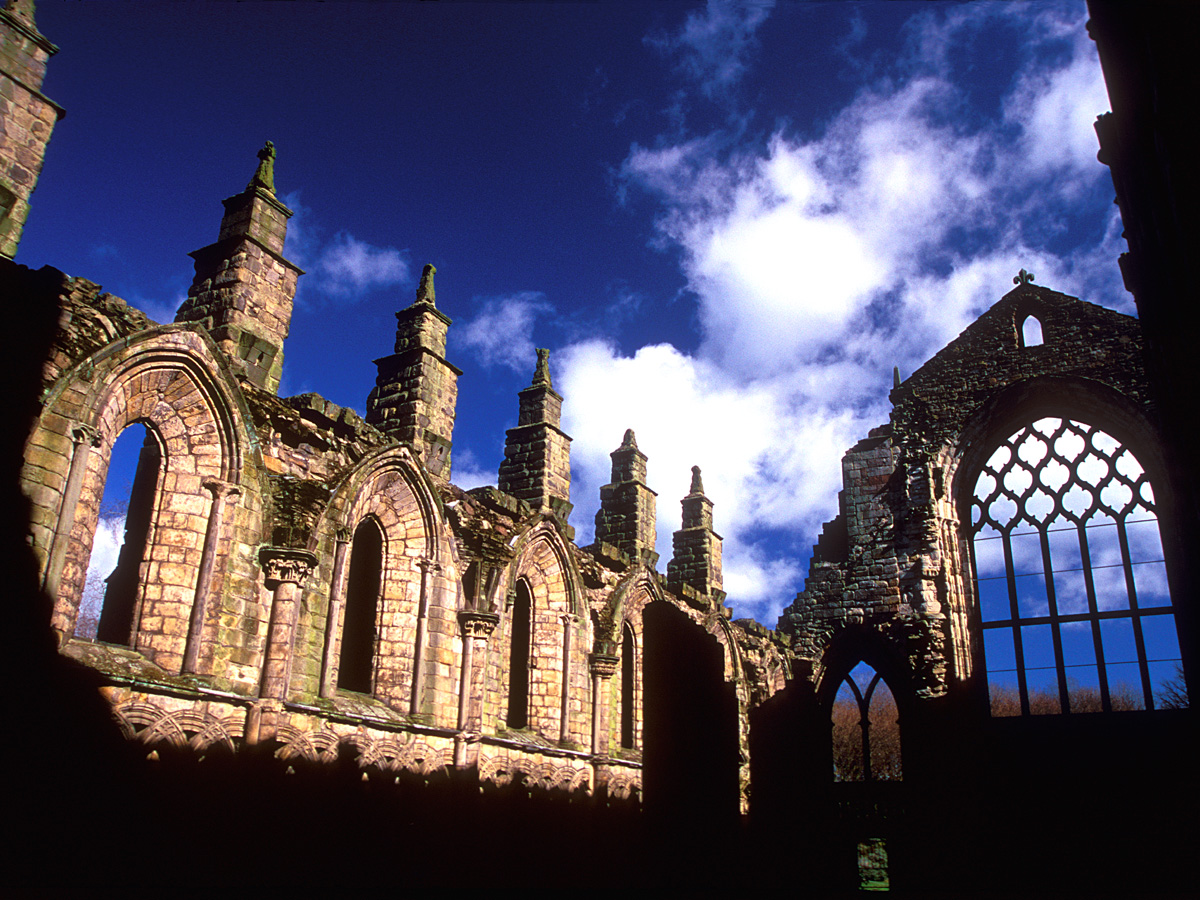




Architecture and layout
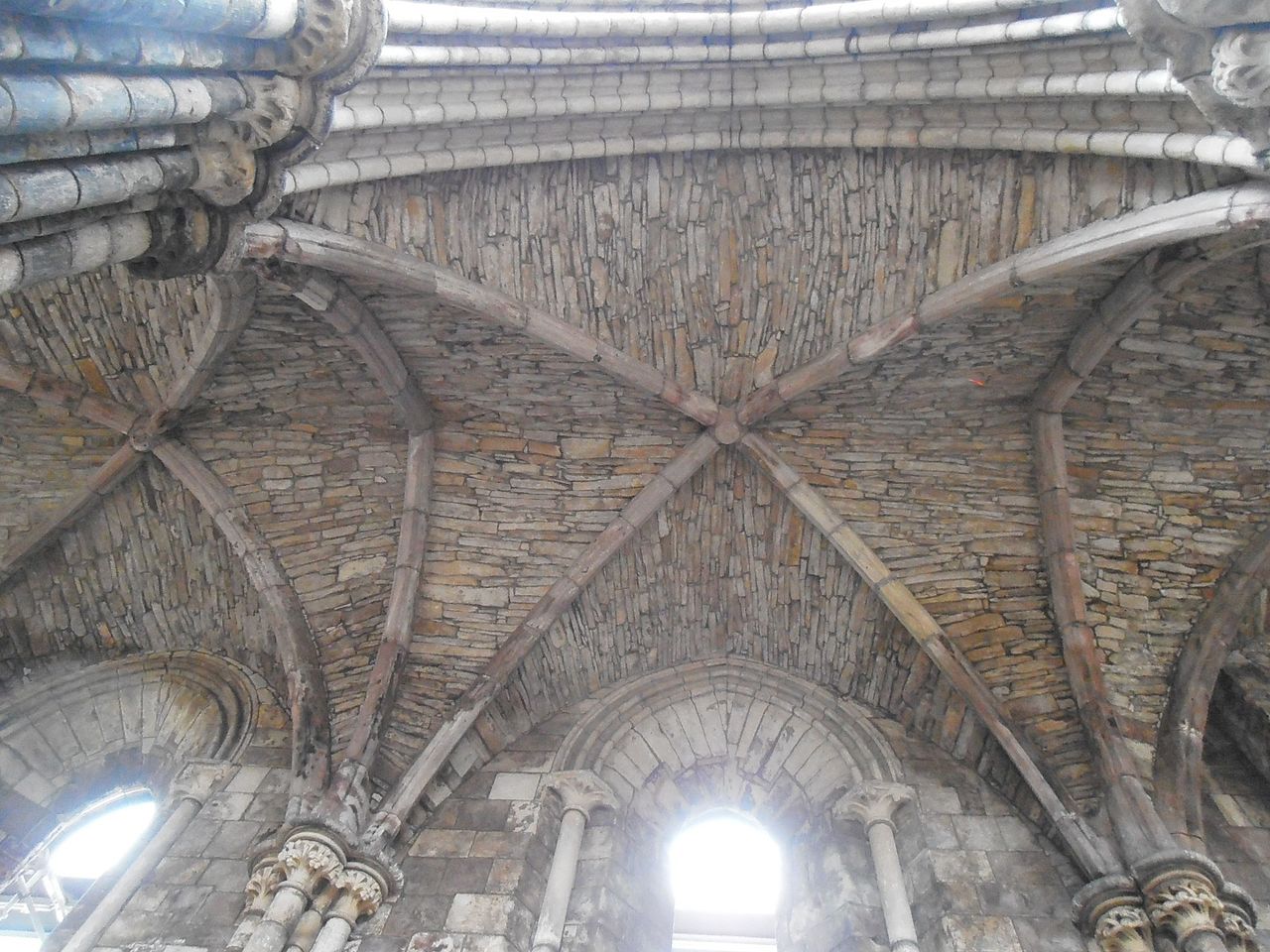
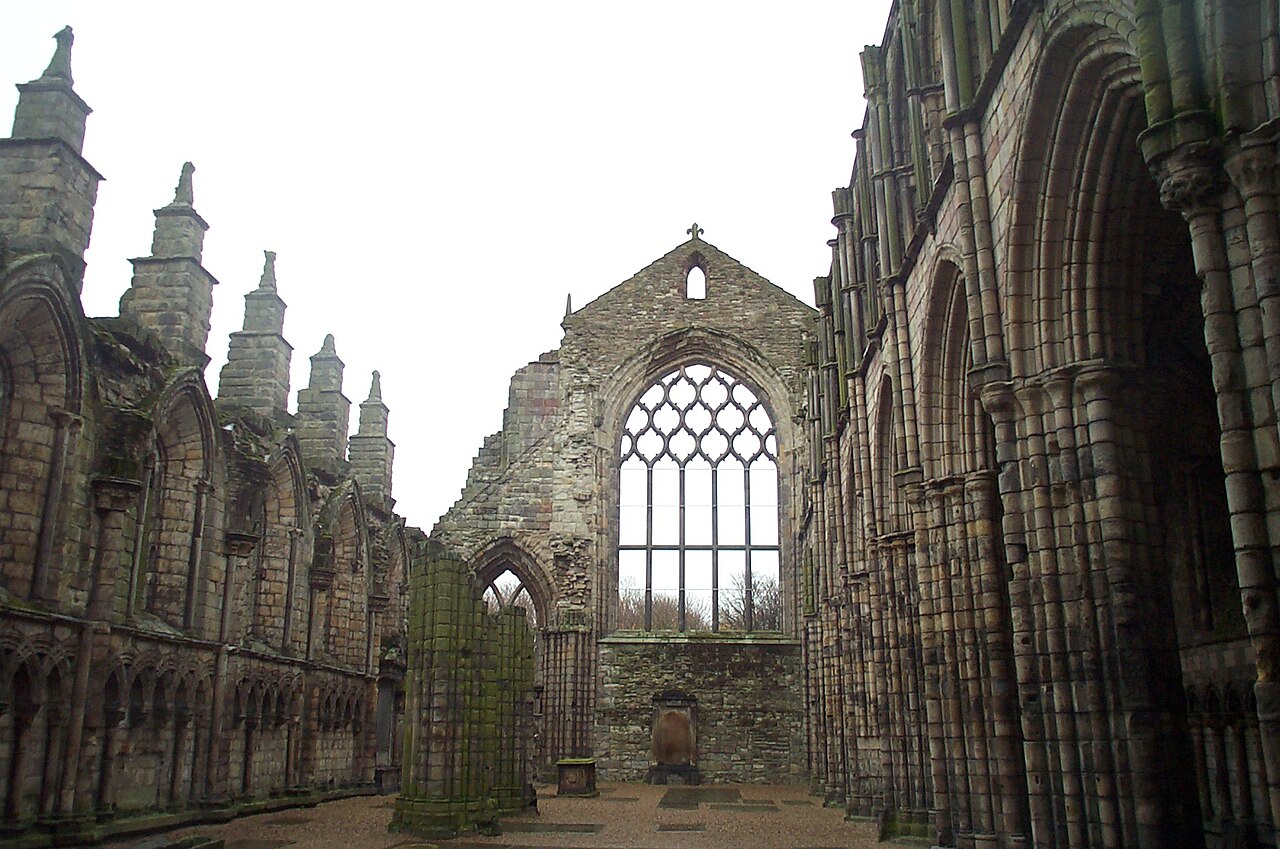
The surviving fabric includes parts of the nave, choir and roadside walls that outline the original church. Typical of monastic sites founded in the 12th century, the plan once featured a cloister, chapter house and domestic ranges for the canons. Stones, arches and window openings show a mixture of Romanesque origins and later Gothic modifications made over centuries.
History and development
King David I established the community as an Augustinian house in 1128. The abbey grew in importance through royal patronage and hosted ceremonies, royal burials and diplomatic events. It was closely associated with the monarchy and later became physically connected to the Palace of Holyroodhouse at the site in Edinburgh, Scotland. Over time the Reformation, changing religious practices and structural damage led to its decline, leaving the visible ruins that survive today.
Uses and significance
At its height, Holyrood Abbey served as a religious center for Augustinian canons, a place of worship for royal households and a setting for coronations, funerals and state occasions. After the medieval period it became a historic monument and part of the royal precinct. Modern interest focuses on archaeology, conservation and public interpretation.
Notable facts and preservation
- "Holyrood" means "holy cross," referencing relic traditions associated with the foundation.
- The abbey stands adjacent to the modern royal residence, creating a prominent historic ensemble.
- Ruins are managed for public access and studied for insight into medieval Scottish monastic life.
Visitors encounter a blend of visible masonry, interpretive signage and the broader context of Edinburgh's Old Town. For further reference on monastic orders, Scottish royal history and conservation of ecclesiastical ruins see resources linked below:
Augustinian order overview • Edinburgh resources • Scotland heritage • David I and royal foundations • 1128 foundation context
Related articles
Author
AlegsaOnline.com Holyrood Abbey Leandro Alegsa
URL: https://en.alegsaonline.com/art/44837