
David I of Scotland: reforming king (reigned 1124–1153)
King of Scots from 1124 to 1153, David I modernized Scotland's government, law and church, founding burghs and monasteries and encouraging Anglo-Norman institutions and settlers.
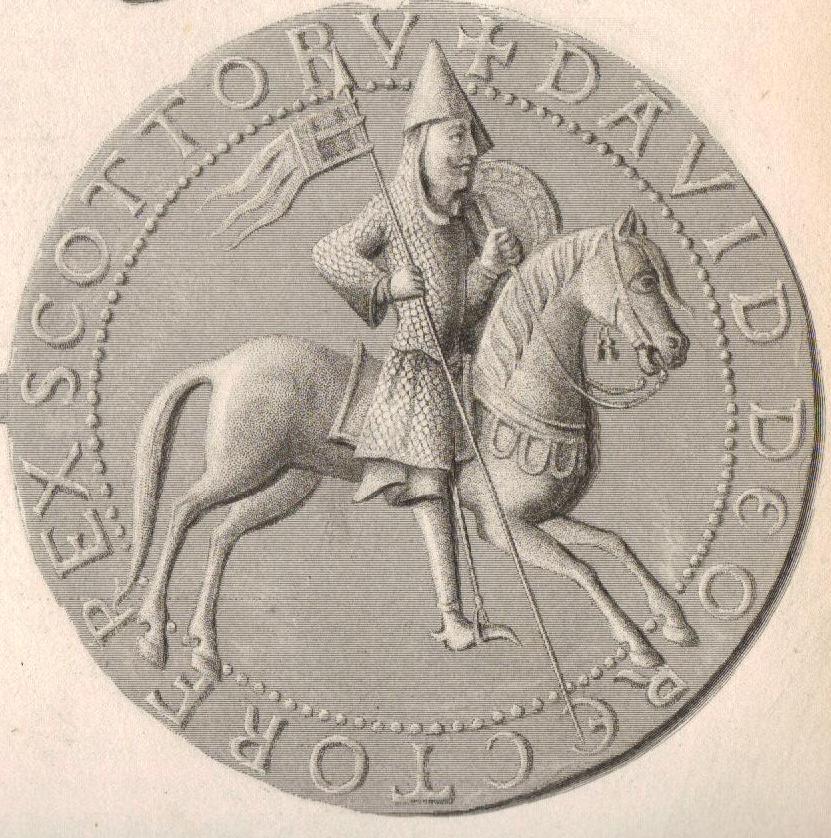
David I (born c. 1084 — died May 24, 1153) was King of Scots from 1124 until his death. A son of Malcolm III and Saint Margaret, David spent part of his youth in England and became one of the most influential medieval Scottish monarchs. His reign is widely seen as a turning point in Scotland’s institutional development and the gradual introduction of practices common in Norman England.
Image gallery
10 Images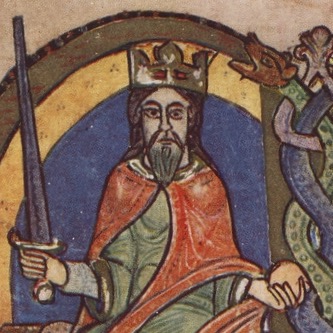




Overview
David combined military action, royal patronage of the church, and administrative change to strengthen the crown. He confirmed and extended royal authority through a network of royal burghs and sheriffs, invited foreign settlers and knights, and promoted feudal landholding that altered the social and political landscape.
Church patronage and monastic reform
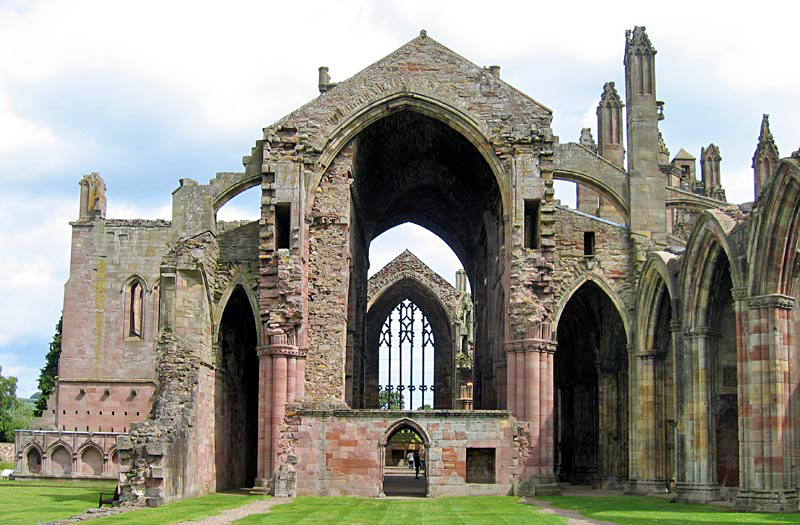
A devout ruler, David promoted the reform and expansion of monastic life. He sponsored new foundations and supported reforming orders — notably the Augustinians and Cistercians — while granting lands and privileges to abbeys and cathedrals. These foundations became centers of learning, agriculture and economic activity.
Political and administrative changes
During his reign David laid foundations for a more centralized administration. He introduced or regularized sheriffdoms to enforce royal justice and created chartered towns (royal burghs) to stimulate trade. His use of written charters and grants helped modernize governance and property rights.
Relations with England and legacy
David’s ties to the English court shaped his policies. He received lands and favors from King Henry I and later took advantage of political turmoil in England to press claims in the north. He died in 1153, leaving a stronger, more structured kingdom. His successor, Malcolm IV, inherited a realm already reshaped by David’s reforms.
Key reforms and notable facts
- Promotion of monastic foundations that spread agricultural and cultural practices.
- Establishment of royal burghs to encourage commerce and urban growth.
- Introduction of sheriffdoms and written charters to assert royal law.
- Encouragement of Anglo-Norman settlers and feudal tenure systems.
Historians often describe David I as a catalyst for Scotland’s transformation from a chiefly, kin-based society toward a more centralized medieval kingdom. His reign blended piety, practical governance and the adoption of continental and English models suited to Scottish needs.
Related articles
Author
AlegsaOnline.com David I of Scotland: reforming king (reigned 1124–1153) Leandro Alegsa
URL: https://en.alegsaonline.com/art/117303