
Augustinians
Roman Catholic religious communities inspired by Augustine of Hippo; including mendicant friars and canons, known for communal life, scholarship, preaching, and a long role in education and pastoral ministry.
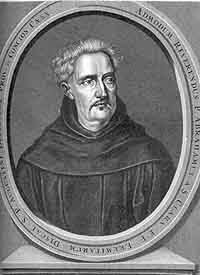
The Augustinians are Christian religious communities that trace their spiritual rule to Augustine of Hippo. Several distinct groups use the name: the Order of Saint Augustine (a mendicant community often called Augustinian friars), congregations of Augustinian canons, and other congregations following the Augustinian tradition. The title reflects a shared commitment to communal living, prayer, and the theological heritage of Augustine of Hippo.
Image gallery
8 Images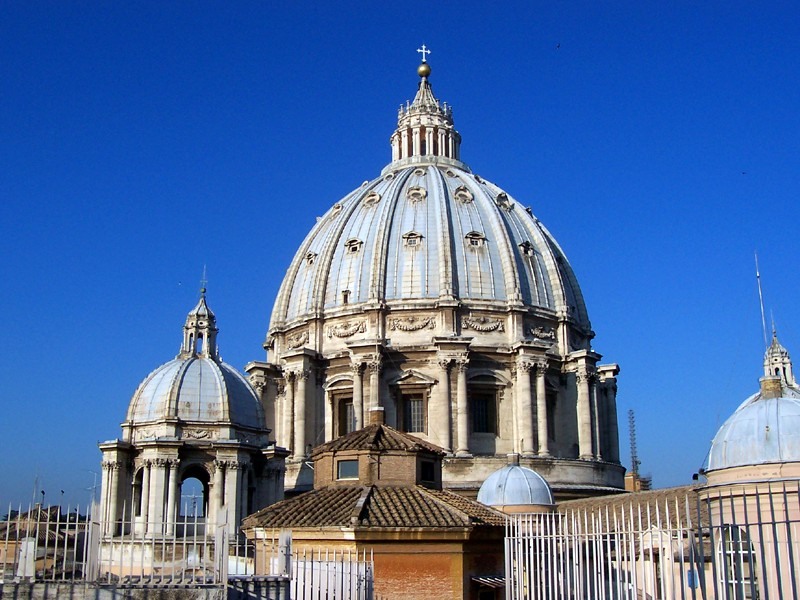



Characteristics
Augustinian communities emphasize life in common, the centrality of the liturgy, pastoral service, and intellectual study. Members commonly take vows of poverty, chastity, and obedience and pursue ministries such as preaching, parish work, education, and spiritual guidance. The order has produced theologians and scholars who contributed to medieval and modern thought.
Origins and development
The shape of Augustinian life developed over centuries. Early clerical communities adopted rules inspired by Augustine's writings; later, in the medieval period, various hermit and canonical groups were gathered into more formal religious congregations. One branch became a mendicant order active in towns and universities, while others continued as canons serving cathedrals and parishes. These developments reflect different responses to pastoral needs across Europe.
Notable connections
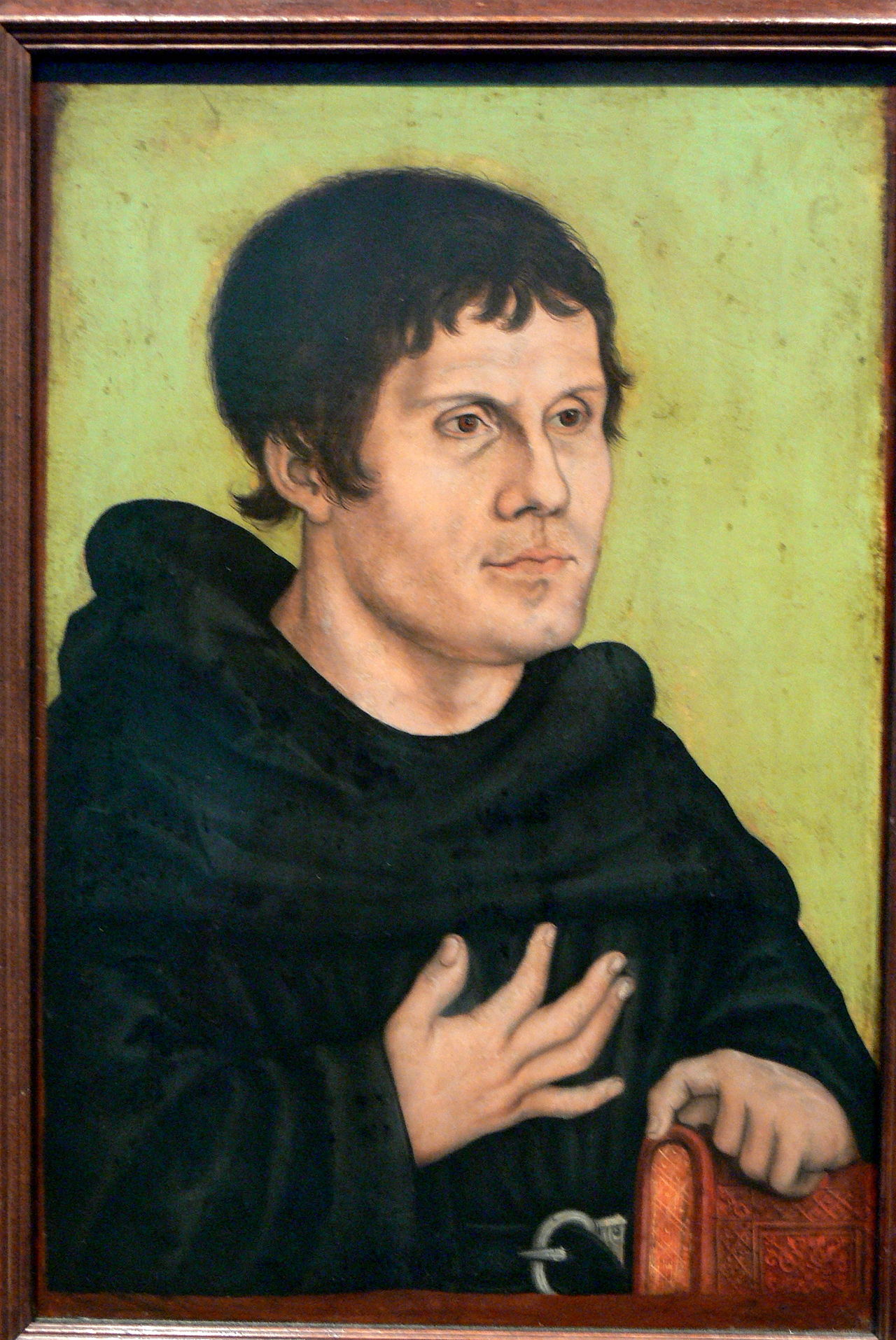
Members of Augustinian communities have been involved in major events of church history. For example, the German theologian Martin Luther entered the Augustinian monastery at Erfurt as a monk in 1505; his later writings and actions were central to the Protestant Reformation. Such episodes illustrate how Augustinian formation influenced both clerical life and broader religious change.
Works and influence
Augustinians have long been active in education and mission work, founding schools, colleges, and parishes. Their communal libraries and teaching contributed to intellectual life in medieval universities and beyond. Today they continue in pastoral ministry, retreat work, scholarship, and international missions.
Distinctions and legacy
It is important to distinguish between different Augustinian families: friars (who are mendicant and engaged in itinerant ministry) and canons (who are often attached to a church or cathedral). Despite institutional differences, these groups share a spiritual orientation rooted in Augustine's emphasis on love, interior conversion, and the search for God together in community. For general information about the movement and its branches, see the main articles on the religious order and related congregations.
- Core focus: communal life and pastoral service.
- Typical ministries: education, preaching, parish work, retreats.
- Historical note: linked to major theological developments through figures formed in its houses.
Related articles
Author
AlegsaOnline.com Augustinians Leandro Alegsa
URL: https://en.alegsaonline.com/art/7346