
House of the Seven Gables: Salem's Turner–Ingersoll Historic Mansion
Seventeenth-century mansion in Salem, Massachusetts, associated with the Turner and Ingersoll families and Nathaniel Hawthorne; restored as a museum and literary landmark with distinctive gabled architecture.
Overview
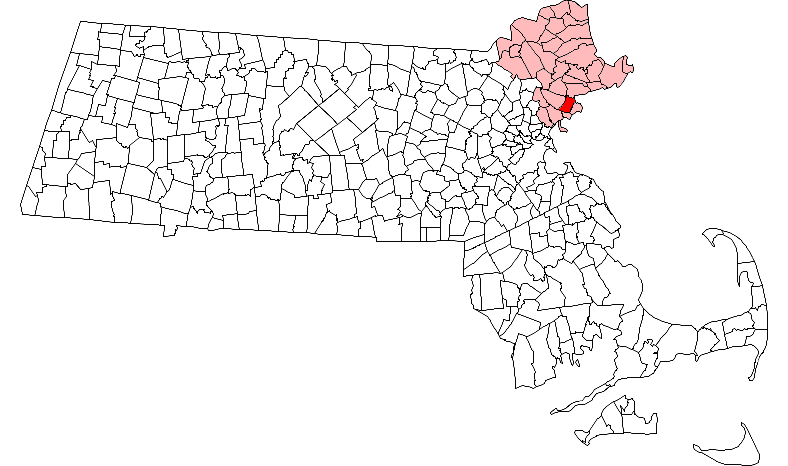
The House of the Seven Gables, also known as the Turner House or Turner‑Ingersoll Mansion, is a celebrated historic house in Salem, Massachusetts. Its earliest portion dates to 1668, and the property has been altered and expanded across centuries. Often described as one of the oldest surviving mansion houses in continental North America, the building now operates as a preserved site and educational museum.
Image gallery
5 Images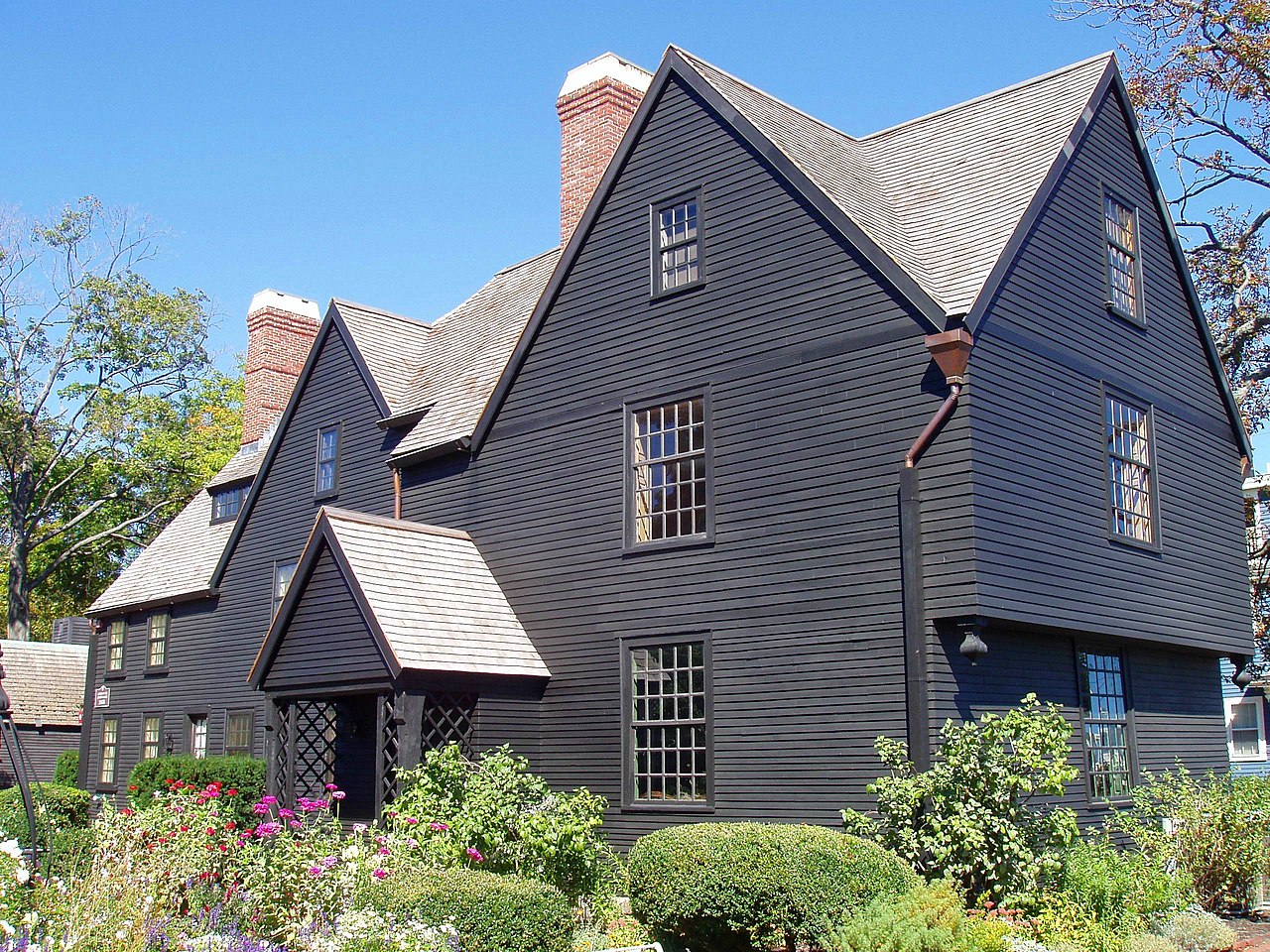


Architecture and physical description
The original core was a modest two‑room, two‑and‑a‑half‑story dwelling that faced the harbor, notable for its heavy central chimney and cross‑gabled roof. Over time the house grew by successive additions; the initial 1668 section forms the present middle of the structure. The complex today is distinguished by multiple roof gables—seven in the traditional account—seventeen rooms, and more than 8,000 square feet of interior space.
History and ownership
The house was constructed for Captain John Turner and remained with the Turner family for several generations before passing to the Ingersoll family. Members of the Ingersolls hosted guests and relatives; among them was the American writer Nathaniel Hawthorne, who visited his cousin Susannah Ingersoll and drew inspiration from the house and its atmosphere for his writing.
Literary connection and the novel
Hawthorne used the house and its surroundings as the backdrop for his 1851 novel, whose title echoes the building itself: The House of the Seven Gables. While the fictional story embellishes history and invents characters and supernatural elements, the real house's mood and setting contributed to Hawthorne's exploration of ancestral memory, guilt, and social change in New England.
Restoration, adaptations, and museum use
In the early 20th century the mansion was restored and adapted to meet the expectations of literary tourists and the public. Between about 1908 and 1910, restoration work introduced features that were not strictly original—most famously a reconstructed "cent‑shop" and a hidden or "secret" staircase created to evoke scenes from the book and to engage visitors. The site was transformed into a public institution and today functions as a non‑profit museum, offering period rooms, guided tours, exhibits, and educational programs.
Significance, features, and visitor notes
The House of the Seven Gables is significant for multiple reasons: its architectural continuity from the colonial era, its layered alterations that illustrate changing domestic needs, and its place in American literary history. Typical points of interest include:
- Historic fabric from the 17th century alongside later Colonial Revival additions.
- Seventeen interior rooms that display domestic life across eras.
- Interpretive features added for visitors, such as the reconstructed cent‑shop and secret staircase, introduced to satisfy public expectations and enhance storytelling (visitor experience).
- The house's connection to Hawthorne and his fictional portrayal in Hawthorne's book, which boosted interest in preservation and literary tourism.
For those researching early New England domestic architecture, American literature, or heritage preservation, the House of the Seven Gables offers a compact case study of how a single building can accumulate layers of meaning through ownership, fiction, and public presentation. Further institutional and archival information can be found through local historical organizations and the site's own resources (historic designation and local archives).
Questions and answers
Q: What is the House of the Seven Gables?
A: The House of the Seven Gables is a historic house located in Salem, Massachusetts.
Q: Who was the house originally built for?
A: The house was originally built for Captain John Turner.
Q: How long did the Turner family own the house for?
A: The Turner family owned the house for three generations.
Q: When was the earliest section of the house built?
A: The earliest section of the house was built in 1668.
Q: Who wrote a novel that used the house as background?
A: Nathaniel Hawthorne wrote a novel called The House of the Seven Gables that used the house as background.
Q: What was added to the house during its restoration?
A: A "cent-shop" and a secret staircase were added to the house during its restoration.
Q: What is the House of the Seven Gables now used for?
A: The House of the Seven Gables is now a non-profit museum.
Related articles
Author
AlegsaOnline.com House of the Seven Gables: Salem's Turner–Ingersoll Historic Mansion Leandro Alegsa
URL: https://en.alegsaonline.com/art/45340