
Important Cultural Properties of Japan
Designations by Japan's Agency for Cultural Affairs for tangible cultural items and structures judged especially valuable for history, art, scholarship and national heritage.
Overview
Important Cultural Properties (重要文化財, jūyō bunkazai) are tangible works, buildings and objects designated by Japan's Agency for Cultural Affairs as having especially high historical, artistic or academic value. The designation recognizes items whose preservation is considered important to the public and to scholarship and places them within Japan's legal and administrative framework for cultural heritage protection.
Image gallery
10 Images





Categories and criteria
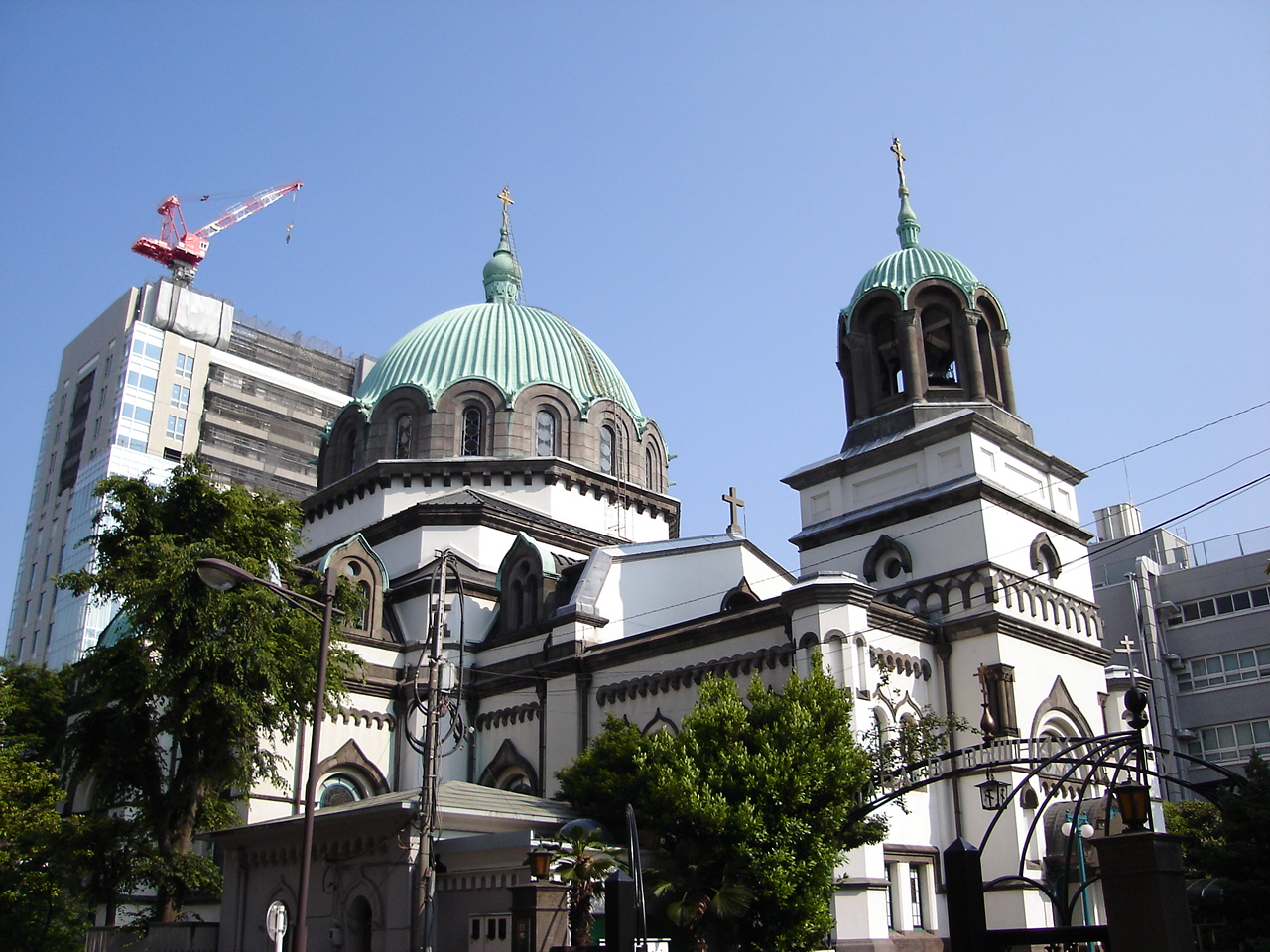
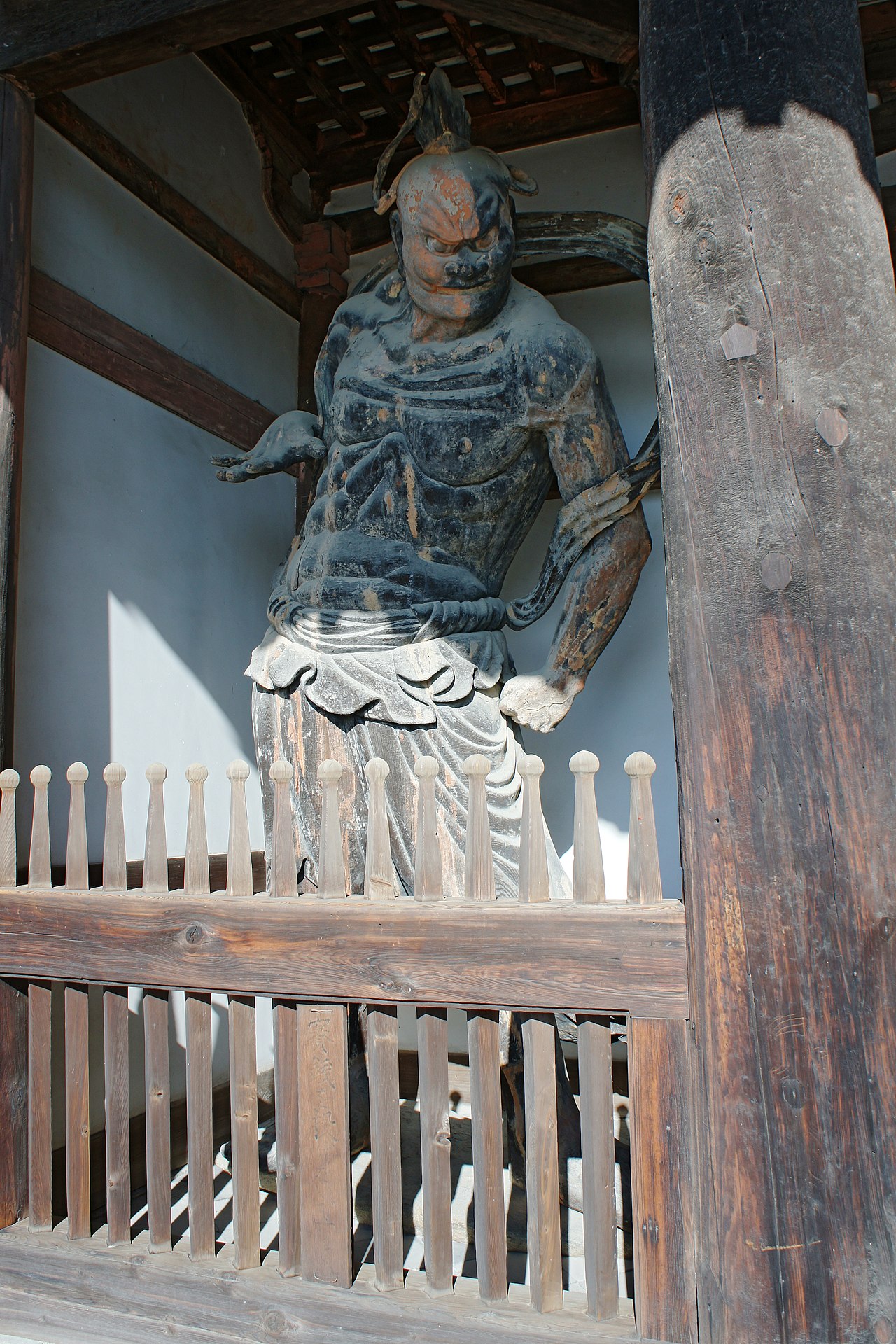
The designation primarily covers tangible cultural properties, including architecture, fine arts and crafts, historical documents and archaeological artifacts. Typical categories include:
- Architectural structures — temples, shrines, castles and traditional dwellings.
- Fine arts and crafts — paintings, sculptures, calligraphy, textiles, lacquerware, ceramics and metalwork.
- Historical materials and archaeological finds — documents, records and excavated objects.
Evaluation considers age, rarity, artistic quality, technical achievement and contribution to understanding Japan's cultural history. A smaller subset of designated items is elevated to the status of National Treasure when judged of the highest significance.
History and development
Modern legal protection for cultural assets developed through the 20th century and was substantially consolidated by the postwar Law for the Protection of Cultural Properties. Since then the system has evolved to include multiple levels of designation, registration schemes to encourage wider preservation, and support measures for conservation and disaster response.
Designation, protection and responsibilities
Designation as an Important Cultural Property places obligations on owners: major alterations, repairs or export often require official permission. In return, owners and custodians can receive technical guidance, subsidies for conservation, and prioritized emergency assistance after disasters. Many designated items remain in private, temple or shrine ownership; public access varies from open display to limited access for conservation or religious reasons.
Relationship with other systems
Important Cultural Properties form part of a layered preservation system that includes municipal and prefectural designations, intangible cultural property protections for skills and techniques required to maintain artifacts, and international recognitions such as UNESCO World Heritage inscriptions. These systems overlap but operate under separate criteria and procedures.
Significance and examples
The designation aims to safeguard material witnesses of Japan's past and to sustain the skills needed to care for them. Well-known cultural sites and objects — ranging from celebrated castles to major Buddhist statues and classical paintings — illustrate the variety and depth of Japan's heritage and the continuing public interest in its preservation.
Questions and answers
Q: What is the list of items known as Important Cultural Properties of Japan?
A: Important Cultural Properties of Japan is a list of places and things made by the Japanese Agency for Cultural Affairs that are particularly significant to the Japanese people.
Q: Who created the list of Important Cultural Properties of Japan?
A: The Japanese Agency for Cultural Affairs created the list of Important Cultural Properties of Japan.
Q: What is the significance of the items on the list of Important Cultural Properties of Japan?
A: The items on the list of Important Cultural Properties of Japan are considered to be especially important to the Japanese people.
Q: Are the items on the list limited to cultural artifacts?
A: No, the items on the list of Important Cultural Properties of Japan also include places that are significant to Japanese culture.
Q: How are items added to the list of Important Cultural Properties of Japan?
A: Items are added to the list of Important Cultural Properties of Japan by the Japanese Agency for Cultural Affairs.
Q: What is the purpose of the list of Important Cultural Properties of Japan?
A: The purpose of the list of Important Cultural Properties of Japan is to recognize and preserve items and places that are significant to Japanese culture.
Q: What is the Japanese name for Important Cultural Properties of Japan?
A: The Japanese name for Important Cultural Properties of Japan is 重要文化財 (jūyō bunkazai).
Related articles
Author
AlegsaOnline.com Important Cultural Properties of Japan Leandro Alegsa
URL: https://en.alegsaonline.com/art/46904
Sources
- bunka.go.jp : "Cultural Properties for Future Generations"
- sankeien.or.jp : Yokohama Sankei Garden
- wikidata.org : wikidata.org/wiki/Q1188622
- id.ndl.go.jp : 00575161