
Palace of Holyroodhouse (Holyrood Palace), Edinburgh
Royal residence in Edinburgh serving as the monarch's official home in Scotland. Originating as a 12th‑century monastery, it contains state apartments, abbey ruins and rooms associated with Mary, Queen of Scots.
The Palace of Holyroodhouse, commonly called Holyrood Palace, is the British monarch's official residence in Scotland. The site began as a religious foundation in the early 12th century, founded as a monastery by David I. Its anglicised name, Holyrood, derives from the Scots Haly Ruid meaning "Holy Cross." The palace occupies a prominent position at the foot of the Royal Mile in Edinburgh, backed by Holyrood Park and the volcanic hill known as Arthur's Seat.
Image gallery
10 Images

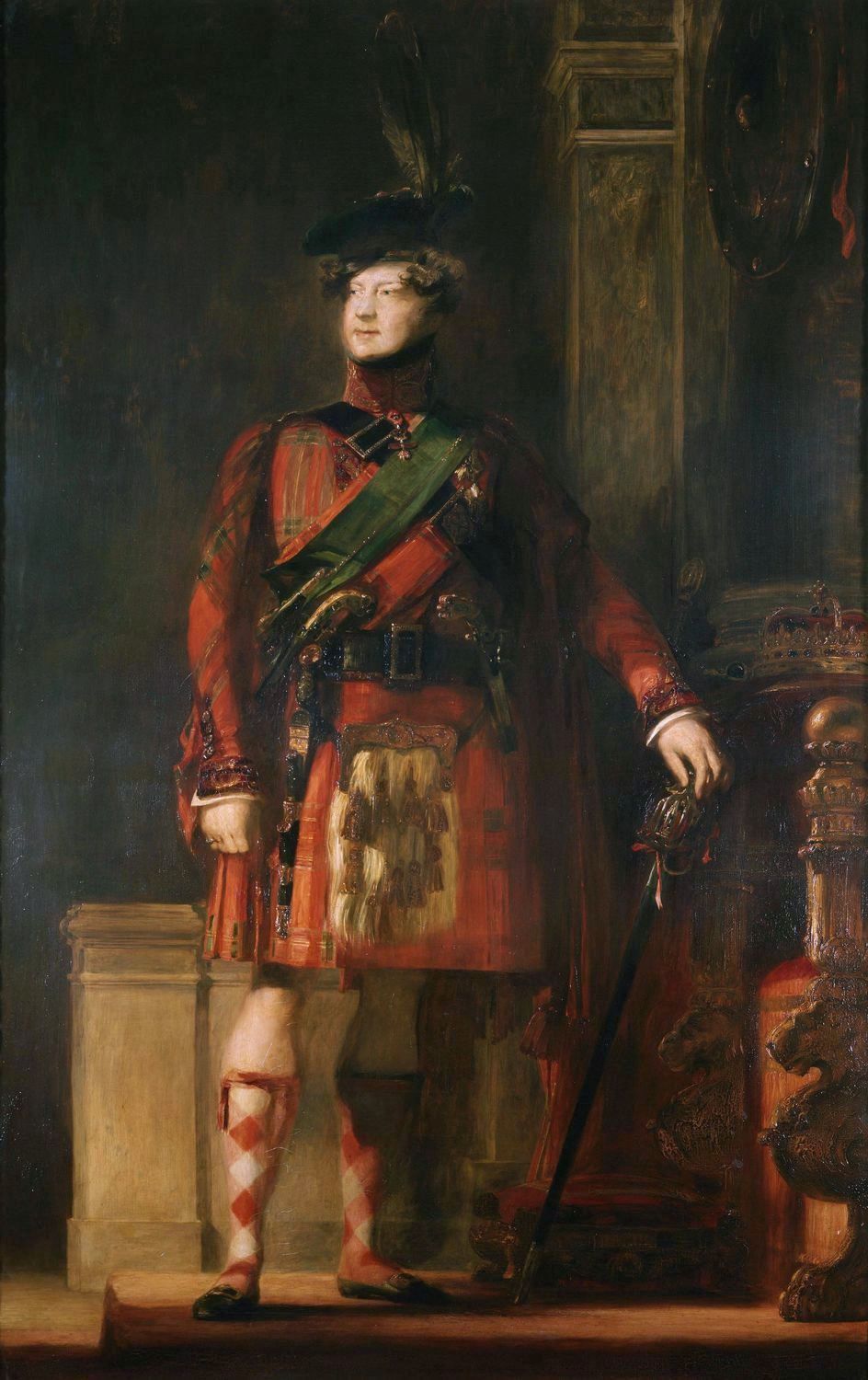


History and development
From its monastic origins the complex evolved over centuries into a royal residence. By the fifteenth century the site was established as a principal dwelling for the Scottish monarchy and it continued to develop under successive rulers. The adjacent medieval abbey, whose ruins remain beside the palace, reflects the site's ecclesiastical beginnings. Later expansions and remodellings introduced domestic and ceremonial spaces that transformed the monastery into a formal palace used for court life, administration and state occasions.
Architecture and principal rooms
Holyroodhouse presents a mixture of medieval fragments and later domestic architecture, organised around a central forecourt and quadrangle. Key elements include the State Apartments, where official audiences and receptions are held, and private apartments once used by monarchs and their households. Visitors and historians are particularly drawn to rooms associated with Mary, Queen of Scots, including the chamber where the murder of her secretary David Rizzio took place in the 16th century. The remains of Holyrood Abbey form a conspicuous backdrop and contribute to the site's historic atmosphere.
Function, use and public access
The palace continues to serve official purposes. When the sovereign is in Scotland, a period of public and ceremonial business known as Holyrood Week takes place at Holyroodhouse: formal audiences, investitures and receptions are conducted there. At other times much of the palace and its state rooms are open to the public as a visitor attraction, with guided routes through the apartments, displays of royal portraits and historic furnishings, and exhibitions about the building's past.
Notable events and modern context
Holyroodhouse has played host to numerous notable visits and events. For example, during his official visit to the United Kingdom in 2010, Pope Benedict XVI met the Queen at the palace before continuing to other engagements, including a Mass in Glasgow. The palace is also often mentioned alongside nearby institutions such as the modern Scottish Parliament building, which stands close to the palace and marks the area's continuing political importance.
Distinctive aspects
- The palace combines ecclesiastical remains and royal domestic architecture, illustrating a transition from monastery to court residence.
- Its long association with the Kings and Queens of Scotland makes it central to Scottish royal history and ceremonial life.
- It remains both a working royal residence and a site accessible to the public, balancing contemporary ceremonial use with heritage tourism.
Today Holyroodhouse is valued for its layered history, its setting at the heart of Edinburgh's historic route, and its continuing role in the public life of the monarchy in Scotland. Visitors can explore the state rooms and ruins, and learn about the political and personal histories that shaped the palace over nearly nine centuries.
Related articles
Author
AlegsaOnline.com Palace of Holyroodhouse (Holyrood Palace), Edinburgh Leandro Alegsa
URL: https://en.alegsaonline.com/art/44838