
Shanty town
Informal urban settlements characterized by improvised housing, insecure land tenure, limited services, and social and environmental vulnerability; commonly called slums or favelas in some regions.
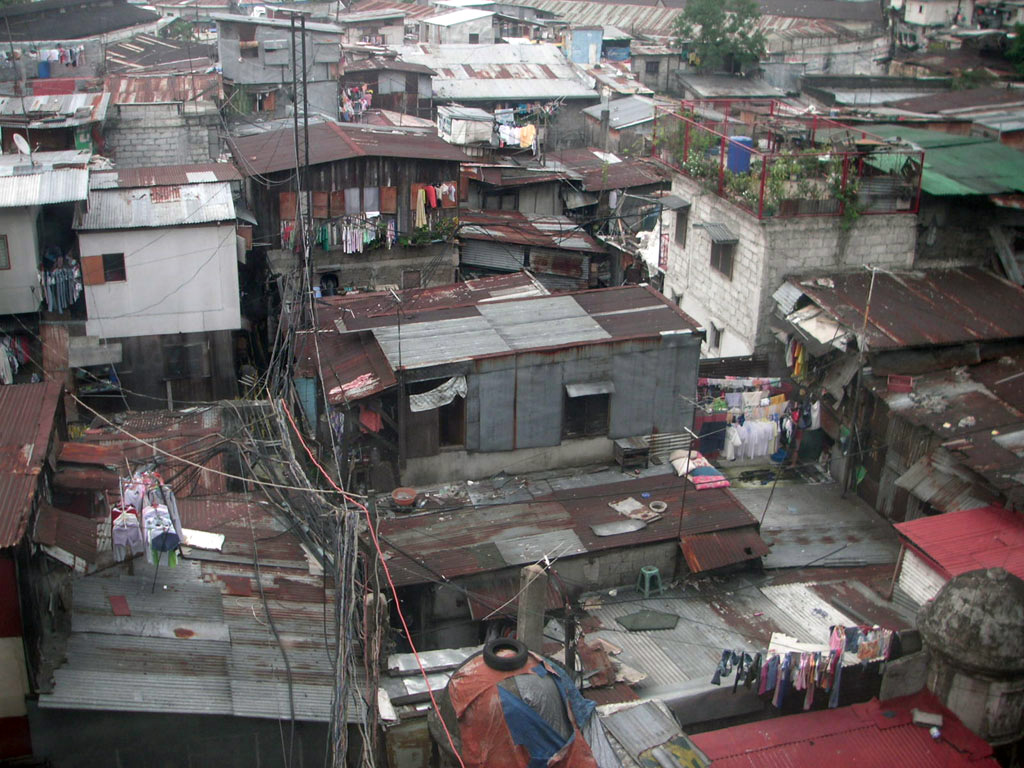
A shanty town is a form of informal urban settlement where dwellings are built from improvised materials and public services are limited or absent. These communities are often called slums in general discourse and may be known by other names—such as favelas, barrios, kampungs, or informal settlements—depending on region and language. Residents typically live in densely packed, self‑constructed housing that lacks formal planning, secure land tenure and municipal oversight, yet these areas serve as homes and economic centers for millions of people worldwide. slums are a closely related concept, and many descriptions of shanty towns note the use of inexpensive materials like plywood and cardboard in construction.
Image gallery
10 Images



Characteristics and living conditions
Housing in shanty towns is typically built from corrugated metal sheets, salvaged wood, plastic sheeting and other available items. Structures are often intended to provide basic shelter from weather—blocking rain and reducing exposure to the sun—rather than offering long‑term durability. Many settlements lack reliable electricity and telecommunications, so households either go without or arrange informal connections to power and phone lines. Electricity and telephone access vary widely from one settlement to another, and where services exist they are sometimes hazardous or unsafe.
Essential infrastructure is often missing: clean water, sewerage systems and toilets are common shortages that increase vulnerability to disease. Poor sanitation links directly to outbreaks of diarrhoeal illnesses and waterborne infections; conditions that make residents more susceptible to ailments such as hepatitis and cholera. Because public services and schooling may be inadequate, inhabitants often face obstacles to education and health care, contributing to wider patterns of poor health and limited education.
Origins, growth and location
Shanty towns commonly arise when rapid urban population growth and rural–urban migration outpace the formal housing supply. Residents often occupy land without formal permission, squatting on vacant lots, riverbanks or steep hillsides. The absence of building permits and municipal planning—issues connected to land permits and the lack of mapped roads and numbered streets—means that settlements may grow in hazardous or marginal locations. In some large cities entire districts may be comprised largely of informal housing; notable concentrations occur in Latin America, South Asia and sub‑Saharan Africa, with well‑known examples including the Brazilian favelas or other dense urban peripheries such as favelas described separately.
Environmental hazards are common where informal settlements abut industrial zones, floodplains or refuse dumps. Flooding, contamination from industrial waste and proximity to open garbage sites increase health risks and property loss. Many communities are established on low‑lying riverbanks and therefore face recurrent inundation or exposure to polluted water sources (flood and contamination risks). Social problems can include elevated rates of crime, insecure livelihoods and, in some contexts, higher rates of self‑harm and shortened life expectancy linked to poverty and marginalisation; these issues are discussed under topics such as crime, suicide and life expectancy.
Responses, policies and distinctions
Urban responses to shanty towns range from forced evictions and resettlement to in‑place upgrading programs that provide water, sanitation, roads and legal tenure. International agencies, local governments and community groups often favor incremental upgrading combined with participatory planning, microfinance, and land‑titling initiatives that aim to reduce vulnerability while preserving social networks and livelihoods. Policies must balance short‑term humanitarian needs with longer‑term urban planning, and approaches differ from redevelopment that relocates residents to formal housing.
Distinguishing features of shanty towns include their informal legal status, self‑built dwellings and high density; they differ from low‑income formal housing primarily in tenure security, planning and service provision. Understanding these settlements requires attention to economic drivers, governance failures and the everyday strategies households use to survive and adapt. Policymakers and researchers continue to study interventions that improve living conditions without displacing communities, drawing lessons from varied regional experiences.
Related topics and further reading
- Slums and definitions
- Materials used in informal housing
- Cardboard shelters and improvised construction
- Weather protection in informal dwellings
- Heat exposure and shelter design
- Sanitation challenges
- Toilet access and public health
- Hepatitis and waterborne disease
- Cholera and outbreak risks
- Land tenure and permits
- Urban infrastructure and roads
- Electricity provision
- Telecommunications in informal areas
- Health and fire safety hazards
- Large‑scale informal districts
- Brazilian urban context
- Favelas as a case study
- Pollution and flood risks
- Population health outcomes
- Education access
- Crime and informal governance
- Mental health and social stressors
- Life expectancy and demographic effects
Questions and answers
Q: What are shanty towns?
A: Shanty towns are slums on the outskirts of many cities, especially in third world countries. They often consist of low cost houses built with plywood, corrugated metal, sheets of plastic, cardboard or any available material.
Q: Where can shanty towns be found?
A: Shanty towns can be found mainly in third world countries but not usually in more economically developed countries.
Q: What services do shanty town homes typically have?
A: Some homes in shanty towns may have some services such as electricity or telephone lines but they are often unkept and pose health and fire hazards.
Q: How big can a shanty town be?
A: A shanty town can take up whole parts of a city and may include millions of dwellers - such as in the cities of Brazil- see Favelas.
Q: What environmental problems do residents of shanty towns face?
A: Residents of shantry towns often suffer from floods due to being built on the banks of rivers and from industrial toxins that contaminate the water. Additionally, some are built close to rubbish dumps which causes further health issues for those living there.
Q: What other issues do residents face besides environmental ones?
A: Residents also face poor health, lack education, high levels of crime and suicide rates, and shorter life expectancies than other people living outside these areas.
Related articles
Author
AlegsaOnline.com Shanty town Leandro Alegsa
URL: https://en.alegsaonline.com/art/89474