
Hominin: the human branch of African apes and its fossil record
Hominins are the primate group including modern humans and extinct species closer to us than to other living apes. This article summarizes defining traits, taxonomy, major fossils and methods used to study human origins.
The term Hominini (commonly rendered in English as "hominin" for members of that group) denotes the lineage of African apes that includes modern humans and the extinct species more closely related to us than to other living apes. In most modern uses it emphasizes the succession of fossil species that led to genus Homo. Molecular evidence places the split between the human lineage and the lineage leading to chimpanzees at roughly five to eight million years ago; early candidates such as Sahelanthropus are frequently discussed in the literature as possible early members of the clade. Fossils and their contexts provide the primary record of these early stages of divergence (fossil evidence).
Image gallery
10 Images
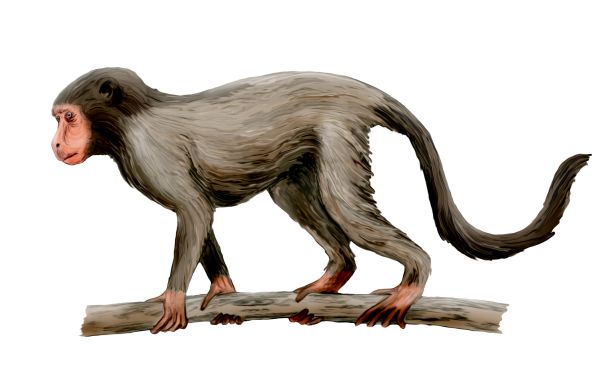
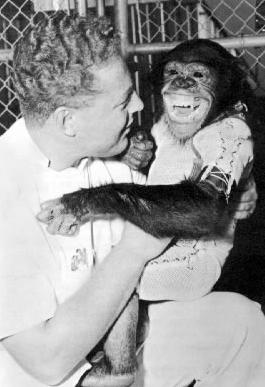
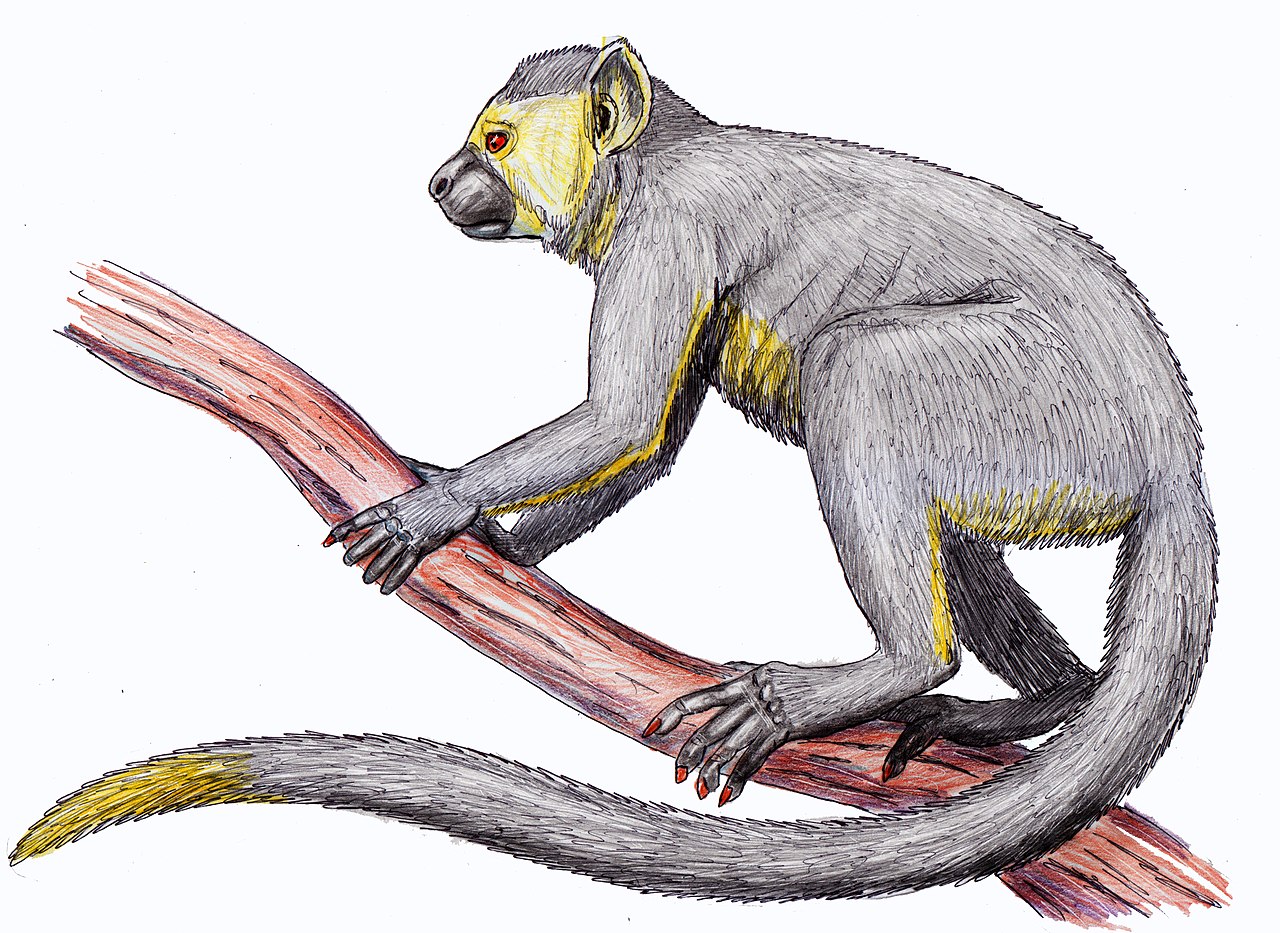



Key characteristics
Hominins are diagnosed by a combination of anatomical and behavioral features rather than a single defining trait. Typical markers include habitual bipedal locomotion with associated changes to the pelvis, femur and spine; modifications of the dentition such as smaller canines and a reshaped dental arcade; and, over longer time scales, an overall trend toward larger brain size and more complex behavior. Archaeological remains of stone tools and modified bones give direct evidence of behavior in many hominin lineages.
Taxonomy and competing usages
Taxonomic practice varies among researchers. Some authors restrict Hominini to the human branch (Homo and close relatives), treating chimpanzees as a separate lineage. Others include both humans and the two living species of genus Pan within Hominini and designate the subtribe Hominina for the human side of the split. The two extant common chimpanzee and bonobo remain central to comparative studies because they are our closest living relatives; their anatomy and behavior provide a reference for interpreting fossil material.
Fossil record and chronology
The earliest putative hominins are known from late Miocene and early Pliocene deposits in Africa and include genera such as Sahelanthropus, Orrorin and Ardipithecus. Better-sampled later groups, notably Australopithecus and early members of Homo, preserve a mosaic of primitive and derived traits that trace a path toward modern human morphology and behavior. Well-known field sites in East and South Africa have yielded footprints, partial skeletons and stone-tool assemblages that together form a patchwork record of hominin evolution.
Dating and scientific methods
Researchers interpret hominin fossils using stratigraphy, radiometric dating of volcanic layers, comparative anatomy and, where possible, paleogenetics. Ancient DNA has been recovered from some relatively recent hominins (for example Neanderthals and Denisovans), opening direct windows onto population relationships, admixture and migration; for older fossils DNA is rarely preserved, so anatomical and geological evidence remain essential.
Debates, implications and conservation
Active debates concern the precise placement of early fossils, the number of species to recognize, and the timing and causes of key transitions such as the origins of bipedalism and increased brain size. Comparative biology and conservation of living apes are relevant to these questions because the behavior and genetics of chimpanzees and bonobos inform models of ancestral ape biology. Although some blood-group systems and other basic physiological traits are shared across primates, biological differences prevent clinical transfusion or tissue interchange between species.
Further reading
- Introductory accounts and overviews on hominin evolution often summarize fossil discoveries and taxonomic debates; many such resources are suitable starting points (fossil overview).
- Comparative studies of living apes provide context for interpreting behavior and anatomy (Pan, common chimpanzee, bonobo).
- For technical discussions of classification and the use of names see reviews of Hominini and the subtribe Hominina.
- Key fossil taxa such as Sahelanthropus are treated in primary literature and summaries linked from museum and academic resources (Homo).
Research on hominins continues to be interdisciplinary, drawing on paleontology, archaeology, genetics, comparative anatomy and ecology to refine our understanding of human origins and the context of our closest living relatives.
Related articles
Author
AlegsaOnline.com Hominin: the human branch of African apes and its fossil record Leandro Alegsa
URL: https://en.alegsaonline.com/art/44920
Sources
- pnas.org : pnas.org/content/107/Supplement_2/8902.full