
Homelessness: causes, types, impacts and policy responses
Overview of homelessness: who it affects, common causes and forms, health and social impacts, approaches used by governments and charities, and measurement challenges.
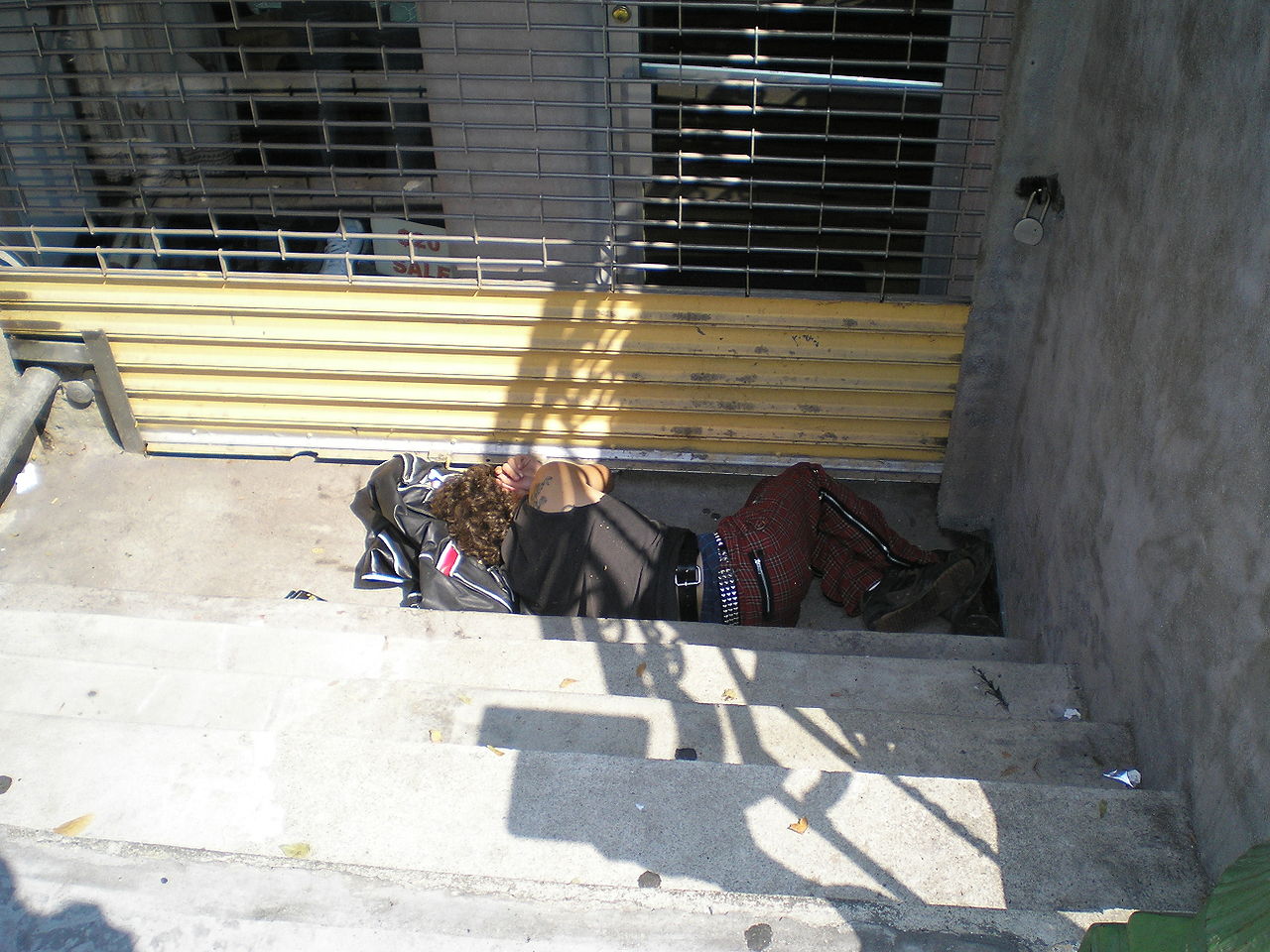
Homelessness refers to the condition of people who lack a stable, safe, and adequate place to live. That includes people sleeping outdoors, staying in temporary facilities such as a homeless shelter or warming centre, and those using abandoned buildings, vehicles or other places not designed for habitation. The term also covers people in short-term or insecure housing arrangements whose tenure is fragile. Many national and international bodies treat adequate housing as a fundamental element of human dignity and wellbeing; for example, international human rights law recognizes housing-related rights and many advocates refer to a right to housing.
Image gallery
10 Images




Common forms and characteristics
Homelessness is not a single, uniform experience. It commonly appears as:
- Unsheltered homelessness — living outdoors, in vehicles, or in public spaces;
- Sheltered homelessness — staying in emergency shelters, day centres, or temporary accommodation;
- Hidden or precarious homelessness — couch-surfing, staying with friends or in overcrowded housing;
- Institutional exits — people leaving hospitals, prisons, or care systems without housing.
Different subgroups (individuals, families with children, young people, veterans, older adults) have distinct needs and risks. Patterns vary by place and are shaped by housing markets, social services and local policies.
Causes and risk factors
Homelessness usually results from interacting economic and social factors rather than a single cause. Common contributors include loss of income or employment, eviction, rising housing costs, lack of affordable housing, family breakdown, mental health conditions, substance use, and limited access to social safety nets. Structural factors — such as discrimination, unemployment, or insufficient public investment in housing — can increase vulnerability across populations.
Consequences and public importance
Being without stable housing has wide-ranging effects on health, safety and social inclusion. People experiencing homelessness face heightened risks of acute and chronic illness, exposure to violence and weather, difficulty accessing medical care and employment, and barriers to social services. Addressing homelessness is commonly seen as both a public health priority and a social policy goal because stable housing supports better outcomes in education, employment and health.
Responses, interventions and notable approaches
Responses range from emergency assistance to long-term housing strategies. Typical interventions include outreach and shelter provision, rental assistance, prevention services to keep people housed, and permanent housing programs. The "Housing First" model, which prioritizes rapid access to permanent housing with supportive services, has been influential in many jurisdictions. Local governments and charities operate diverse programmes and facilities; for example, cities such as San Francisco in California, Dublin in Ireland, and Tallinn in Estonia each develop strategies shaped by legal frameworks, budgets and local housing markets.
Measurement and challenges
Counting and measuring homelessness is difficult because many people are hidden from official statistics and definitions vary. Point-in-time counts, service-based records and household surveys each capture different aspects. Effective policy requires accurate data, cross-sector coordination, and attention to prevention as well as rehousing. Public discussion increasingly emphasizes rights-based approaches, long-term affordability and addressing root causes alongside immediate care.
Questions and answers
Q: What is homelessness?
A: Homelessness refers to the condition of people who do not have a place to stay, including those who sleep in shelters, abandoned buildings, or other places not intended for living.
Q: Does homelessness occur for a specific reason?
A: Yes, homelessness can occur for various reasons, including the inability to afford or maintain housing.
Q: Is the right to housing a part of international human rights law?
A: Yes, the right to housing is included in international human rights law.
Q: Where are homeless people found around the world?
A: Homeless people can be found in many parts of the world, including San Francisco in California, Dublin in Ireland, and Tallinn in Estonia.
Q: What are some places where homeless people sleep?
A: In addition to homeless shelters, some homeless people sleep in warming centers, abandoned buildings, parking garages, and other places not designed for human habitation.
Q: Are homeless people only those who are completely without shelter?
A: No, the term homelessness also includes those who sleep in shelters or other temporary forms of housing.
Q: Why is the inability to maintain housing a reason for homelessness?
A: Housing can be expensive, and those who cannot afford to pay rent or maintain their homes can become homeless.
Author
AlegsaOnline.com Homelessness: causes, types, impacts and policy responses Leandro Alegsa
URL: https://en.alegsaonline.com/art/44893
Sources
- theprovince.com : theprovince.com/news/local-news/metro-vancouvers-homeless-count-campaign-needs-600-volunt…
- endhomelessness.org : endhomelessness.org
- breakingground.org : "Homepage - Breaking Ground"
- hud.gov : hud.gov
- vulnerabilityindex.blogspot.com : "Vulnerability Index"
- cbsnews.com : "Governor Brown"