
History of Chess: Origins, Development, and Modern Significance
Survey of chess history from its origins in India through medieval transmission, Renaissance rule changes, modern tournaments, and its cultural and technological impact.
The game of chess is one of the world's oldest continuously played strategic board games. Its development spans more than a millennium and reflects cultural exchanges across Asia, the Middle East and Europe. Chess combines simple rules with extraordinary strategic depth: players alternately move pieces with distinct powers to threaten the opponent's king and achieve checkmate. For a general overview, see history of chess.
Image gallery
10 Images





Origins and early transmission
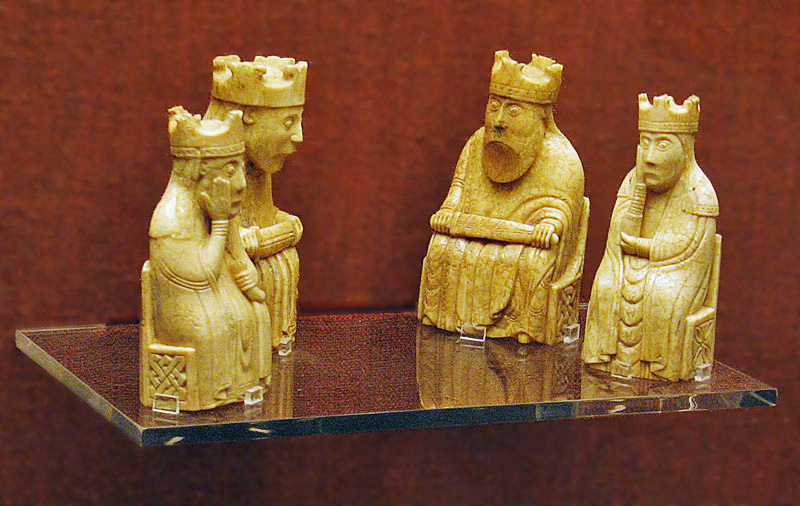
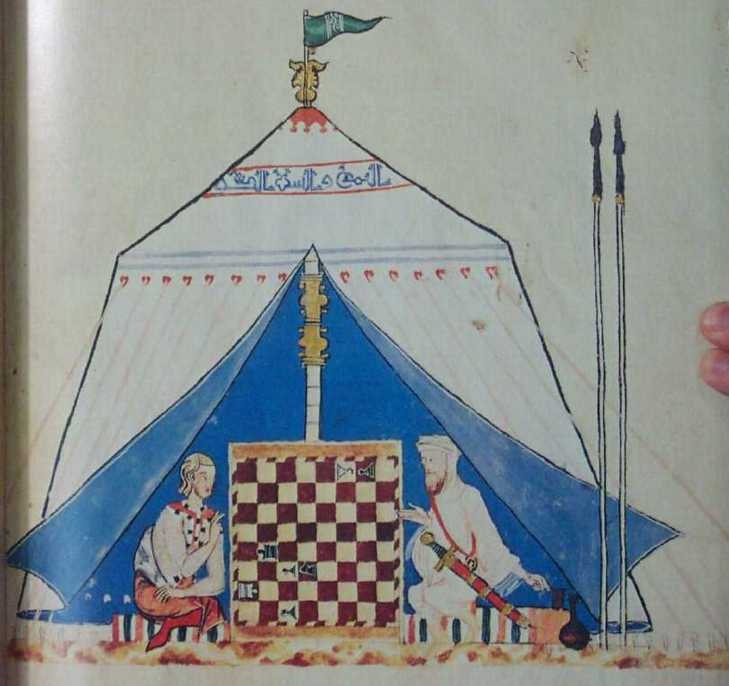
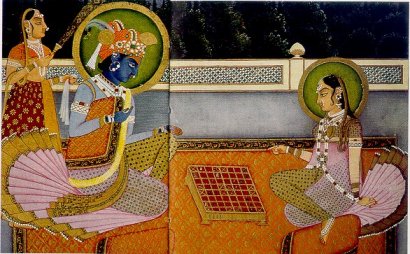
Most historians agree that chess evolved from earlier Indian board games in the first millennium CE. A common ancestor, often called chaturanga, appeared in northern India around the 6th century and used pieces representing different arms of an army. From India the game spread to Persia, where it became known as shatranj; many of the Persian terms and tactical concepts were preserved as the game moved further west. After the Arab conquest of Persia, chess entered the wider Islamic world and became a subject of literature and study. Through Islamic Spain and trade routes, chess reached southern and then broader Europe; in some regions, such as early Russia, the game arrived directly from neighbouring Khanates and other eastern contacts. Links between regions are discussed in more detail at sources such as India, Moorish Spain and Southern Europe.
Rule changes and the birth of modern chess
The basic layout and objective—two kings and an array of subordinate pieces aiming for checkmate—remained stable for centuries, but the pieces' powers changed notably in late medieval Europe. During the 15th century, several crucial rule innovations transformed play: the enhancement of the queen's range, new bishop mobility, and other moves that sped the game and increased tactical possibilities. These changes are generally taken to mark the beginning of the modern game. Around the same long-term period, notation systems and opening treatises began to appear, supplying a foundation for analysis and standard competition.
Competitive chess and institutionalization
Organized, international chess competition developed mostly in the 19th century. As travel and communication improved, players began holding tournaments and establishing standard time controls; chess clocks were introduced in the 1880s to manage game length and ensure fairness. The first widely recognized World Chess Championship match was held in 1886, formalizing the idea of a world title. The rise of national and international bodies culminated in the founding of the World Chess Federation (FIDE) and an expanding calendar of events. Tournament play and recorded games created a corpus on which opening theory, middlegame strategies and endgame study could build; reliable competition structures are discussed in resources on tournament history.
Key developments and modern era
- Standardization of rules and notation, enabling the global study of recorded games.
- Development of opening theory and endgame literature, arising from systematic analysis.
- Technological transformations: databases, engines and online platforms reshaped training, preparation and access.
From the 20th century onwards, chess became both a professional sport and an intellectual pursuit. National championships, world title cycles, and specialized forms such as rapid and blitz increased the game's variety. The arrival of computers and chess engines introduced new evaluation methods and sparked interest beyond traditional audiences.
Uses, cultural importance and variants
Chess has played roles well beyond recreation. It is used in education to teach planning and problem solving, in psychology and game theory as a model of strategic interaction, and in computer science as a benchmark for artificial intelligence. Multiple variants—regional and modern—exist, ranging from historical forms like shatranj to contemporary speed and correspondence formats. The game remains a cultural touchstone, appearing in literature, film and art, and serving as a means of international contact and competition. For regional histories and specific traditions, readers may consult entries on early Russia and other local developments.
Notable features of chess include its balance of tactical calculation and long-term strategy, the rich recorded legacy of famous games, and the ease with which basic rules can be learned yet mastery takes decades. Many resources expand on these aspects; introductory histories and specialized studies are available via general guides and topic-specific links such as general history and thematic references like European development and Indian origins.
The history of chess is thus a story of adaptation and transmission: a simple set of ideas that has been reshaped across cultures into an enduring global pastime and intellectual discipline.
Questions and answers
Q: What is the origin of chess?
A: Chess originated in northern India in the 6th century AD and spread to Persia.
Q: How did chess spread to Europe?
A: Chess was taken up by the Muslim world and subsequently, through the Moorish conquest of Spain, spread to Southern Europe. In early Russia, the game came directly from the Khanates (muslim territories) to the south.
Q: When did modern tournament play begin?
A: Modern tournament play began in the second half of the 19th century.
Q: When were chess clocks first used?
A: Chess clocks were first used in 1883.
Q: When was the first world chess championship held?
A: The first world chess championship was held in 1886.
Q: What advances occurred during 20th century?
A: During 20th century there were advances in chess theory, and establishment of World Chess Federation (FIDE). Additionally, chess engines (programs that play chess), and chess data bases became important.
Related articles
Author
AlegsaOnline.com History of Chess: Origins, Development, and Modern Significance Leandro Alegsa
URL: https://en.alegsaonline.com/art/44459