
Hinduism in Bangladesh: history, practice and contemporary situation
An overview of Hinduism in Bangladesh, covering its demographics, cultural traditions, historical roots in Bengal, major festivals and temples, and contemporary social and political issues.
Overview
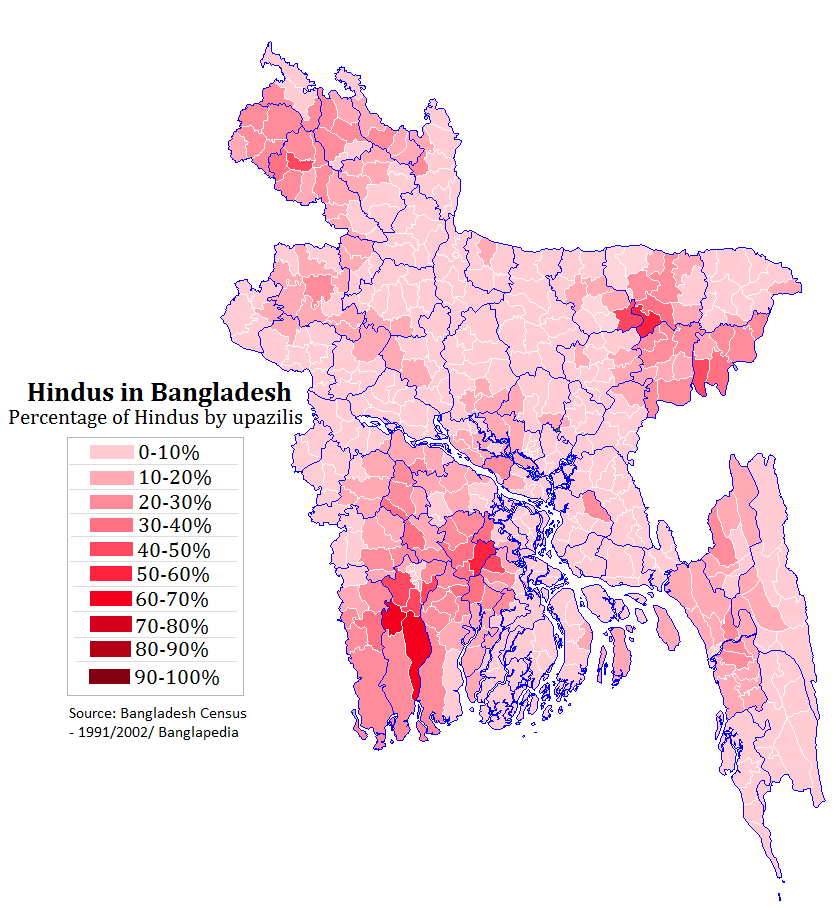
Hinduism is the largest religious minority in Bangladesh, practiced by a substantial minority of the country's population. Hindus in Bangladesh are predominantly of Bengali ethnic and linguistic background and follow many of the same rituals and cultural forms found in neighboring West Bengal. The community maintains temples, religious schools and a calendar of festivals that shape local cultural life.
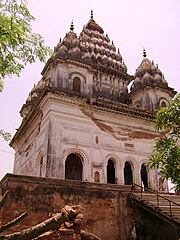
Image gallery
10 Images


Characteristics and religious life
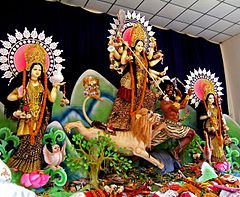
Religious practice among Bangladeshi Hindus ranges from village-level folk traditions to formal temple worship and classical rites. Major observances include Durga Puja, Kali Puja, Saraswati Puja, Janmashtami and Rath Yatra. Many practices emphasize devotion (bhakti), ritual offerings, and life-cycle ceremonies such as weddings and funerals in ways that closely parallel Bengali Hindu customs across the border. Temple architecture varies from rural shrines to historic complexes, several of which are important regional heritage sites.

History and development
The Hindu presence in what is now Bangladesh dates back many centuries and is tied to the broader cultural and religious history of the Bengal region. Prior to the twentieth century, Hindu and Muslim communities coexisted under successive local and imperial regimes. The modern political map changed dramatically in 1947 with the Partition of British India, when the eastern portion of Bengal became East Pakistan and later gained independence as Bangladesh in 1971. These upheavals, along with communal tensions and migrations, have shaped the size and distribution of the Hindu population.
Contemporary importance and challenges
Hindus in Bangladesh contribute to the country’s literature, music, education and public life, and many festivals are celebrated publicly as part of national cultural expression. At the same time, the community has faced challenges: episodes of communal violence, discrimination and population movement have affected its demographic trends. Legal protections and constitutional provisions provide for religious freedom, but debates over minority rights and social inclusion continue to be part of Bangladesh’s political discourse.
Notable sites and cultural markers
- The historic temple complexes in regions such as Rajshahi and Puthia are significant for architecture and pilgrimage.
- Dhakeshwari Temple in Dhaka is often referred to as a national temple and remains an important centre for public worship and festivals — Dhakeshwari Temple.
- The Ganges and other rivers have religious and cultural importance for many Bengali Hindus — see references to the Ganges and its role in ritual life.
Further context and distinctions
Bangladeshi Hinduism closely resembles the forms practiced in adjacent Indian West Bengal, sharing language, iconography and festival calendars. The country is also home to one of the larger national Hindu populations outside India and Nepal, and Bangladeshi Hindu communities are recognized for preserving distinctive Bengali traditions. For more on regional variations and comparative history, see resources on Bengal and the wider subcontinent: Nepal, West Bengal and the 1947 Partition of British India.
This article summarizes widely known cultural and historical elements; for in-depth study consult scholarly works and primary sources on South Asian religion and Bengali history. Additional background and demographic materials are available through general reference links and national statistics portals — consult general overviews such as Hinduism and regional histories for further reading.
Related articles
Author
AlegsaOnline.com Hinduism in Bangladesh: history, practice and contemporary situation Leandro Alegsa
URL: https://en.alegsaonline.com/art/44290