
His Holiness (honorific used for religious leaders)
An overview of the honorific style "His Holiness": its meaning, usage across faiths, etiquette, typical examples such as the Pope and the Dalai Lama, and distinctions from other religious titles.
His Holiness is an English honorific style used to address or refer to senior spiritual leaders. It designates respect and sanctity rather than a civil or legal rank, and appears in English-language contexts for figures viewed as supreme religious authorities or exemplary teachers. The term is applied to individuals who serve as a head or symbolic representative of a religious community or tradition, often translated from native honorifics for international communication. religious leader
Image gallery
10 Images

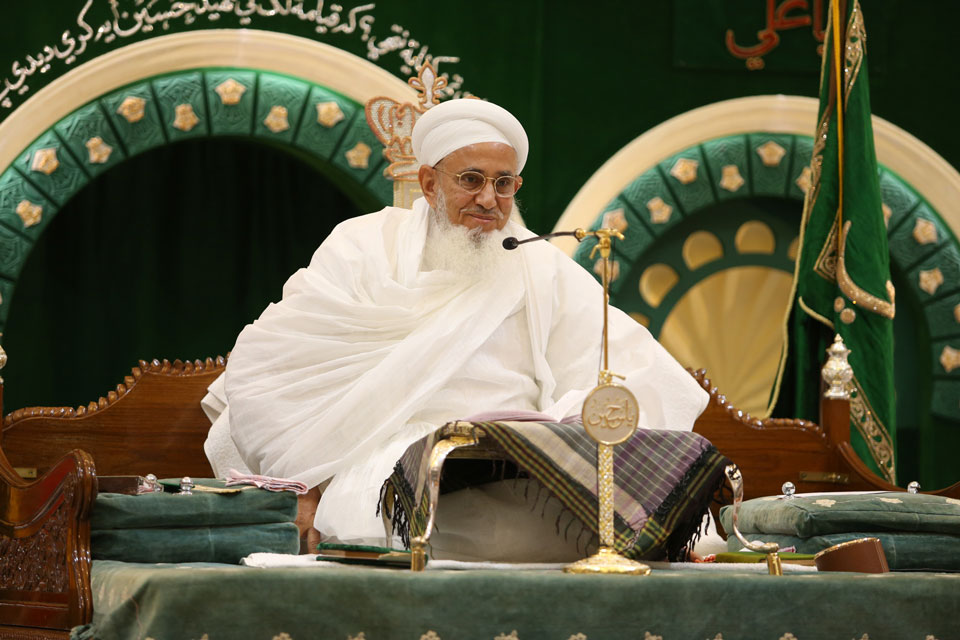


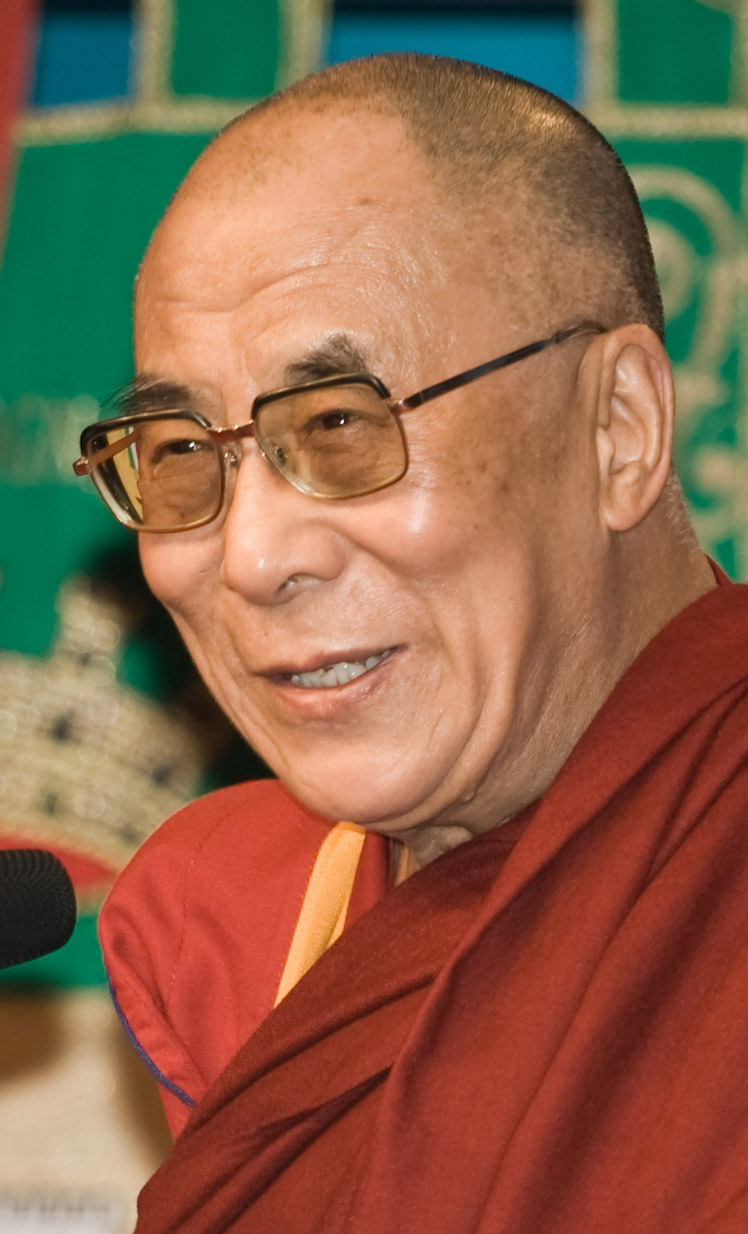


Forms and etiquette
The phrase is typically capitalized when used as a formal style before a name (for example, "His Holiness Pope Francis"). A feminine version, "Her Holiness," is used when appropriate. When speaking about the person in ordinary prose the phrase is often lowercased. Protocol varies by tradition: introductions, written addresses, and ceremonial references follow established local conventions.
Common examples
- In the Roman Catholic Church the Pope is commonly addressed in English as the Pope or called "His Holiness" in formal contexts.
- In Tibetan Buddhism and related schools, senior lamaic figures are referred to in English as "His Holiness"; this usage appears in reference to the Lamaist tradition and specifically the Dalai Lama.
- Various Eastern Christian traditions use similar styles: for example, the Ecumenical Patriarch is often titled "His All-Holiness," while other patriarchs or popes in Eastern churches may be styled "His Holiness" or "His Beatitude."
History and development
The honorific grew out of religious and courtly forms of address that signified holiness or spiritual preeminence. Its application in English reflects both translations of non-English honorifics and the adoption of a standard polite form for international and interfaith communication. Over time different communities have adapted the phrase to match local titles and ceremonial language.
Distinctions and related styles
"His Holiness" is one among several ecclesiastical styles. "His Eminence" usually denotes cardinals, "His Beatitude" is used for certain patriarchs and major archbishops, and "His All-Holiness" is reserved for the Ecumenical Patriarch in some Orthodox usages. These forms convey different ranks or roles within and between traditions rather than a single, uniform authority.
In contemporary use the phrase remains a respectful, conventional form. Its application can be sensitive—choosing the correct title is important for diplomatic, interfaith, and liturgical settings. For further reading on leaders and formal titles see related summaries at religious leader and topic pages such as Pope or entries on Tibetan and lamaic leadership Lamaist and Dalai Lama.
Related articles
Author
AlegsaOnline.com His Holiness (honorific used for religious leaders) Leandro Alegsa
URL: https://en.alegsaonline.com/art/44417