
Holy Grail: legend, history, and cultural significance
The Holy Grail is a legendary Christian relic—usually portrayed as Christ’s cup—central to medieval literature, Arthurian quests, relic claims, and modern metaphorical use.
The Holy Grail is a legendary object in Western Christian and medieval tradition, typically described as a sacred vessel connected to Jesus. In many versions it is the cup or the plate used at the Last Supper, and in later stories it appears as the receptacle that received the blood of Jesus at or after the crucifixion. The Grail’s exact form, powers and purpose vary among authors: it may be a healing vessel, a source of sustenance, a holy relic to be guarded, or a spiritual symbol of divine grace. Across literature and folklore it becomes a focus for quests and moral testing.
Image gallery
10 Images
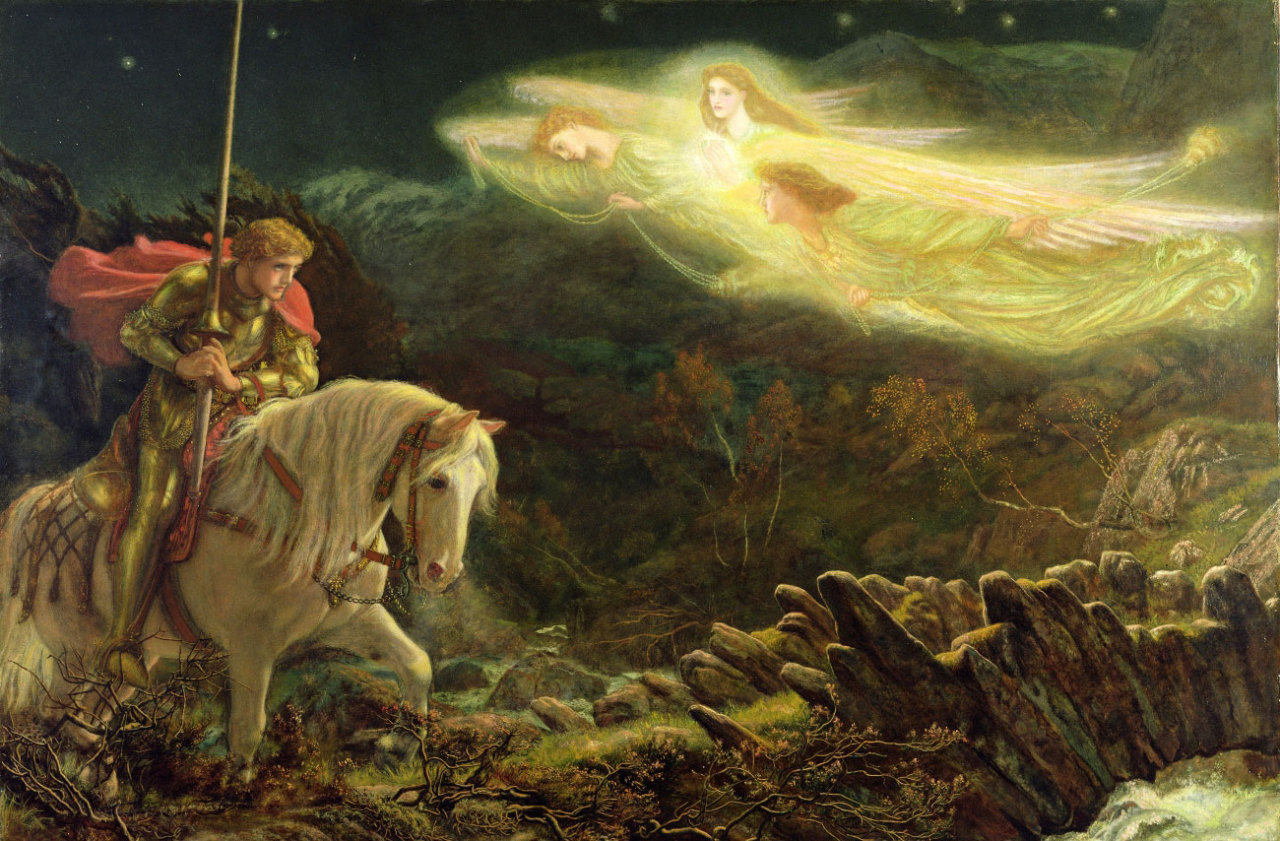


Origins and literary development
The Grail first emerges in written form in 12th‑century romance literature. Early medieval poets and prose writers transformed local religious motifs and folkloric objects into a new Christianized treasure. Chrétien de Troyes is often credited with introducing an early Grail episode into Arthurian narrative, and later writers such as Robert de Boron linked the item explicitly to Joseph of Arimathea and an origin story in which the relic is sent to Great Britain. Scholars note that the Grail legend likely represents a fusion of Christian imagery with older mythic themes: some elements recall a Celtic mythic tradition of magical containers, notably the cauldron, which provided food, healing or other supernatural benefits.
Descriptions, variants and motifs
Descriptions of the Grail are inconsistent because the object is a literary and legendary device rather than a fixed historical artifact. Variants include a simple communal chalice, a jewel‑set dish, a mysterious stone, or even a spiritual state to be attained. Common motifs attached to Grail tales include a lineage of guardianship, a suppressed or hidden relic, a quest undertaken by knights (often with tests of purity and faith), and miraculous properties such as healing the sick or providing unending sustenance.
- Forms: cup, dish, stone, or abstract sacred object.
- Functions: healing, providing food, conveying divine presence.
- Themes: quest, moral trial, secrecy, guardianship.
Relic claims and historical reception
Over centuries, several locations and artifacts have been proposed as the “real” Grail by believers, clerics, or publicity. One well‑known claimant is a chalice kept in Valencia Cathedral, which some assert could be the historic cup associated with the New Testament events; this object is displayed publicly and discussed in scholarly and tourist literature. Medieval writers also created genealogies and stories in which figures like Joseph of Arimathea bring the Grail to Britain and establish a line of keepers, a narrative that helped anchor the legend in particular local traditions while leaving room for many competing claims.
Cultural influence and modern use
The Holy Grail has had a long afterlife in art, literature, music, film and popular discourse. In medieval romances it drives the Arthurian quest cycle; in modern times it appears in novels, movies and scholarly debate as both plot device and symbol. The phrase "Holy Grail" has been adopted widely as a metaphor for any ultimate goal or highly desirable but elusive object—ranging from scientific breakthroughs to cultural priorities. That metaphorical usage both broadens and abstracts the original religious associations, while the medieval stories continue to attract attention for their combination of spirituality, chivalry and mythic imagination.
Because accounts differ so widely and are rooted more in narrative tradition than verifiable history, the Grail remains contested and multivalent: a devotional relic for some, a poetic symbol for others, and an enduring engine for storytelling that connects Christian motifs with older mythic patterns.
Further reading and resources can be found through textual translations and studies of medieval romance, archaeological reports on claimed chalices, and critical work on the Arthurian cycle. For an introductory overview, see literary treatments and museum discussions that address the Grail’s many guises and cultural roles (see sources linked above such as the Last Supper and the Valencia display).
cup • plate • Jesus • Last Supper • blood • Celtic myth • cauldron • Great Britain • Valencia Cathedral • metaphor
Related articles
Author
AlegsaOnline.com Holy Grail: legend, history, and cultural significance Leandro Alegsa
URL: https://en.alegsaonline.com/art/44823
Sources
- print.google.com : print.google.com