
Holiness movement
A Protestant movement originating in 19th-century Methodism that emphasizes John Wesley’s doctrine of Christian perfection and the pursuit of sanctified, holy living.
Overview
The Holiness movement is a Protestant current that grew out of Methodism in the 19th century and later became a distinct strand within evangelical Christianity. Its central concern is the pursuit of holiness of life, understood as freedom from willful sin and the progressive transformation of character. Followers often use terms such as "entire sanctification," "Christian perfection," or "the second work of grace" to describe this change.
Image gallery
10 Images


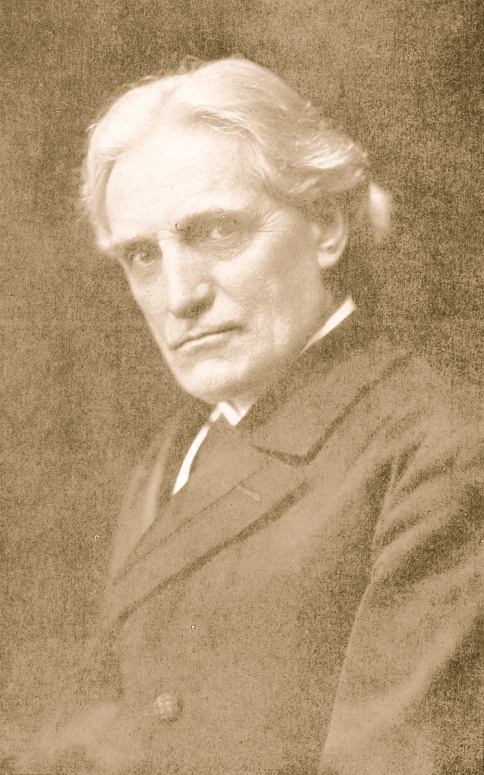
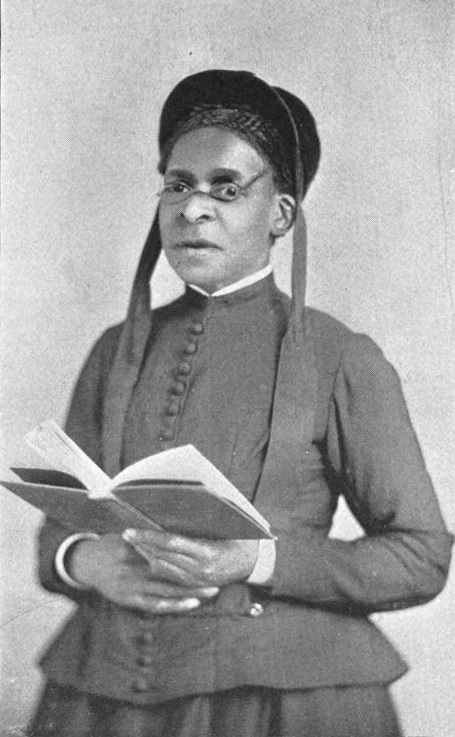

Core beliefs and practice
At the heart of the movement is the theological inheritance of John Wesley, who taught that believers could be perfected in love—cleansed of inbred sin and empowered to love God and neighbor fully. Many adherents describe a distinct experience following conversion, sometimes sudden and sometimes gradual, that deepens holiness. This experience is commonly called entire sanctification or a second blessing.
Characteristics and forms
- Ethical emphasis: personal morality, sobriety, and a life marked by restraint from behaviors seen as worldly.
- Spiritual disciplines: prayer, Bible study, revival meetings, and accountability within the congregation.
- Varied expression: some communities adopt plain dress or conservative cultural practices; others emphasize social engagement and reform.
History and development
The movement developed in a context of 19th‑century revivalism and social change. It inspired new denominations and societies that sought to institutionalize its teachings. Over time several denominational families and independent churches embraced holiness teachings; some later contributed to or influenced the emergence of Pentecostalism. Holiness groups also participated in social causes such as temperance and outreach ministries.
Denominations and influence
Denominations often associated with the tradition include bodies that grew directly from Methodist roots as well as independent holiness churches. Differences exist between groups regarding whether sanctification is instantaneous or gradual, and whether outward practices are required as proof. The movement's legacy extends into broader Christianity through missionary work, publishing, and education.
Distinctions and critiques
Supporters argue the movement restores an experiential emphasis on Christlike character; critics have sometimes labeled certain expressions as legalistic. The Holiness movement is distinct from Pentecostalism in that classic holiness teaching focuses on sanctification as the defining second work, while Pentecostalism later added distinctive doctrines about Spirit baptism and speaking in tongues. Debates over terminology and practice continue, but the concern for holy living remains the defining feature. For broader reading see additional resources and historical surveys of holiness thought (Wesleyan sources, Methodist histories).
Related articles
Author
AlegsaOnline.com Holiness movement Leandro Alegsa
URL: https://en.alegsaonline.com/art/44741