
Hillfort: ancient fortified settlements on elevated ground
A hillfort is a fortified settlement built on raised ground, using ramparts, ditches and palisades for defence. Common in Europe from the later Bronze Age and through the Iron Age, they served military, social and economic roles.
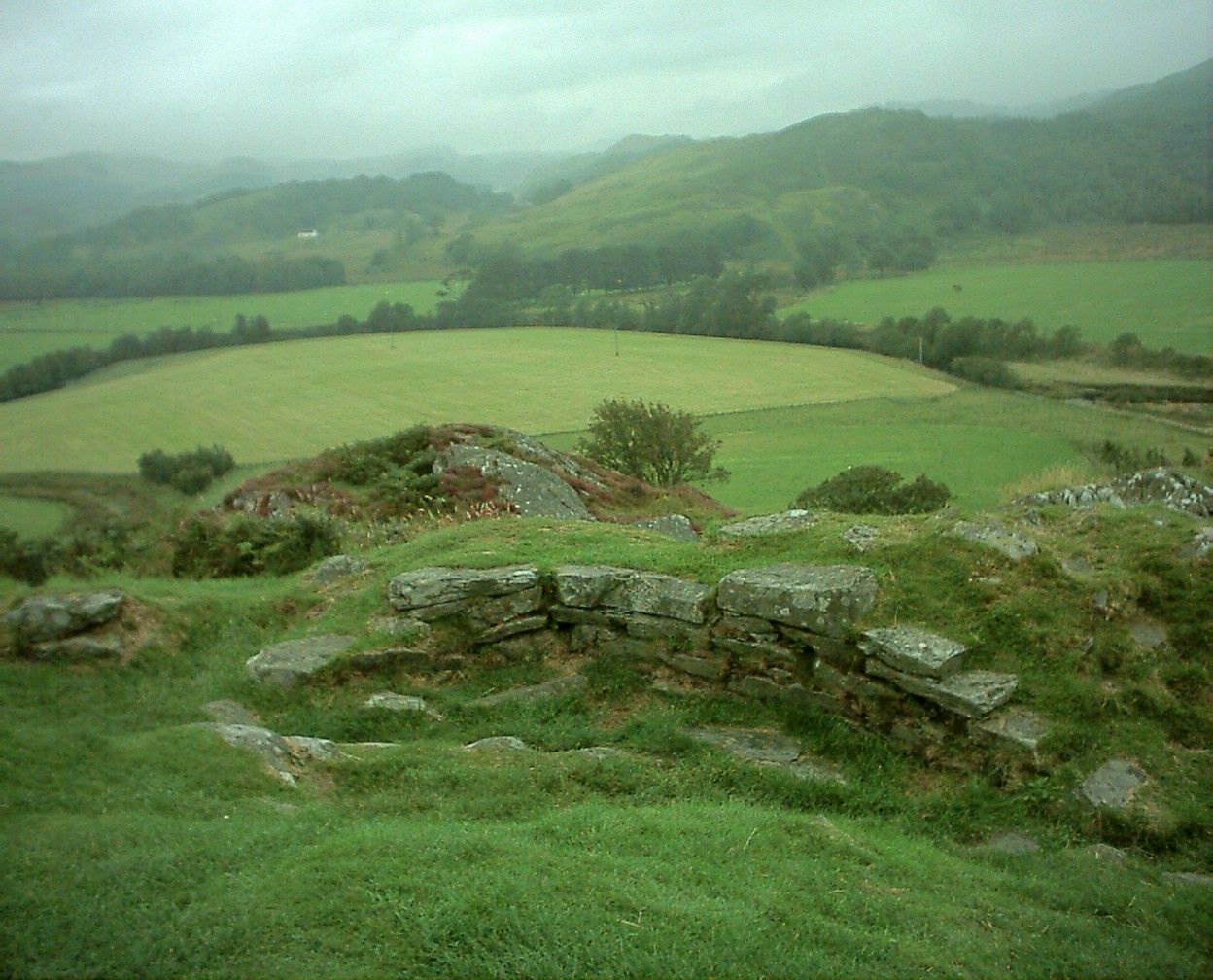
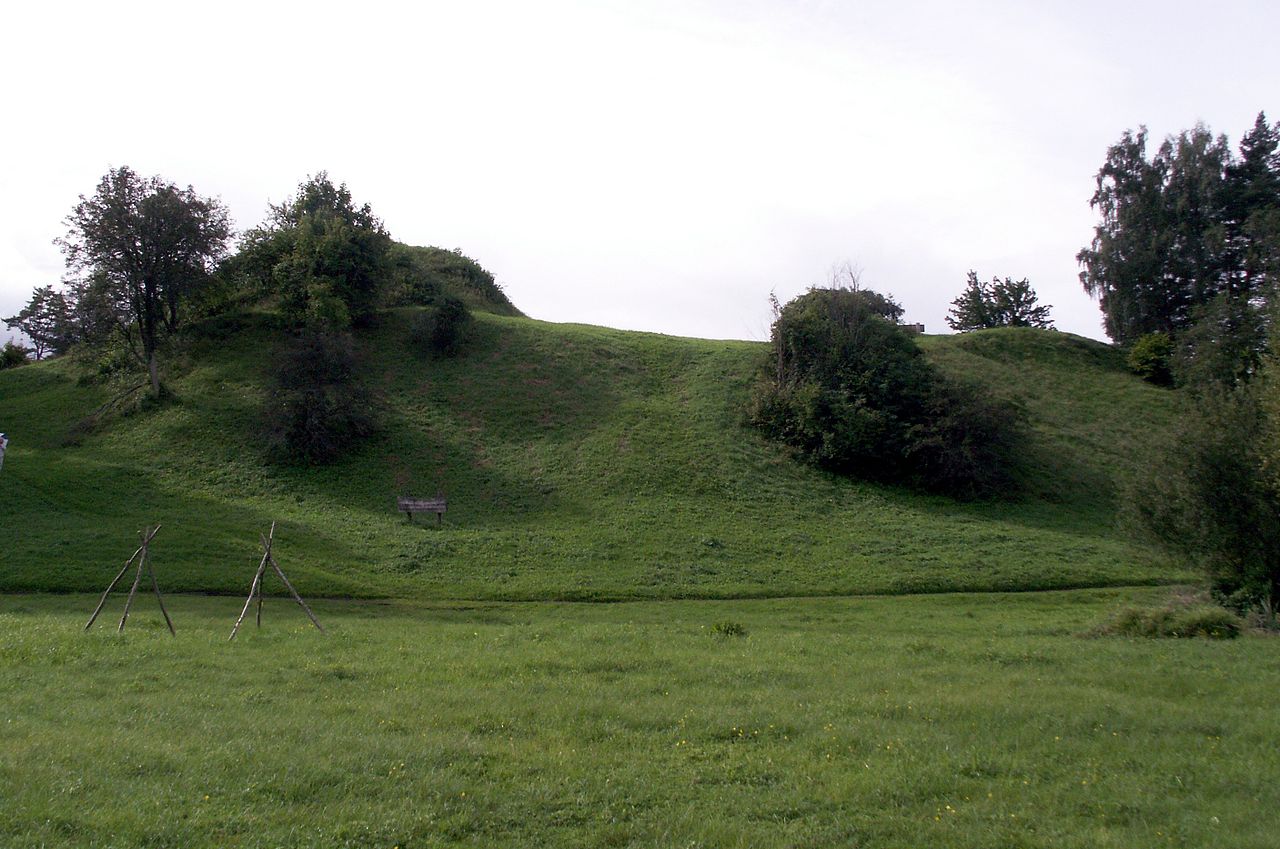
A hillfort is an elevated, fortified settlement or refuge constructed to take advantage of commanding ground. Built where rising terrain offers natural oversight of the surrounding area, these sites combine artificial defences with the hill’s contours to slow or repel attackers. Many examples are visible today as earthworks, terraces and banks that reflect long-standing patterns of habitation and defence. Early observers and modern archaeologists treat hillforts both as military works and as centres of community life.
Image gallery
10 Images


Structure and common features
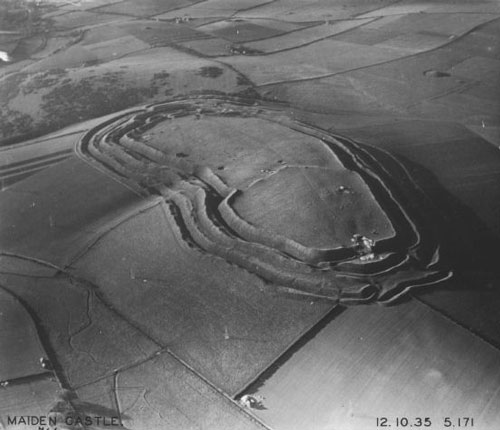
Typical hillfort architecture adapts to the shape of the hill and may include multiple concentric banks (ramparts), external ditches, timber palisades or masonry facing, and engineered entrances. Single-line defences are called univallate, while sites with two or more lines of ramparts are known as multivallate. Entrances were often the most complex element, incorporating outworks, timber gates and flanking banks to control access.
- Ramparts: earth and stone banks forming the main defensive barrier.
- Ditches: excavated trenches outside ramparts that increase the effective height of the defence.
- Palisades and walls: timber or stone facing added to revet earthworks.
- Entrances and gateways: built to be defensible and to govern trade and movement.
- Internal features: terraces for buildings, storage pits, and enclosures for livestock.
Origins and chronological context
Hillforts have antecedents in prehistoric defensive sites and appear in several periods of European prehistory. Some sites have roots extending back to the later Neolithic and Stone Age, but the phenomenon is most prominent from the later Bronze Age through the Iron Age. Archaeologists often relate their emergence and development to shifting social structures, population changes and new patterns of warfare and trade.
- Bronze Age contexts (for example communities of the Urnfield tradition) in which fortified settlements became more common.
- Hallstatt-period developments that bridge late Bronze Age and early Iron Age practices.
- La Tène and later Iron Age phases when many hillforts continued in use, changed function, or were abandoned.
Functions and social role
Hillforts were multifunctional. In times of danger they served as refuges for local populations and livestock; in peace they acted as permanent settlements, craft and trade centres, or symbols of regional power. Their size and internal complexity vary widely: some are small defended homesteads, others are extensive complexes occupying many hectares and serving as focal points for surrounding territories. Archaeological evidence—such as storage pits, workshops and imported goods—shows their role in production and exchange as well as defence.
Examples, distribution and legacy
Hillforts are widespread across Europe, with dense clusters in the British Isles, northern France, central Europe and parts of Iberia. Britain alone preserves hundreds of recognizable examples; notable sites such as Maiden Castle in Dorset illustrate large, elaborated earthworks that were important regional centres in the Iron Age. Scholars and heritage organizations study and protect these sites for their archaeological value and as visible links to prehistoric communities. For further background on terminology and types see entries on fortified refuge and defended settlements, or regional surveys such as those addressing earlier prehistoric contexts and the Bronze Age/Hallstatt/La Tène sequences.
Related articles
Author
AlegsaOnline.com Hillfort: ancient fortified settlements on elevated ground Leandro Alegsa
URL: https://en.alegsaonline.com/art/44205