
Ancient Libya: geography, peoples and historical significance
Ancient Libya was the classical term for North Africa west of the Nile. This article outlines its geography, inhabitants, interactions with Greeks, Phoenicians and Romans, and how the name evolved.
Overview
In classical antiquity the name "Libya" commonly designated the lands of North Africa lying to the west of the Nile. Greek and Roman writers used the term in a flexible way: sometimes to denote a specific coastal region, and at other times to refer broadly to the African lands beyond Egypt. The word has roots in the name of indigenous peoples and was a geographic label long before it became a modern political name.
Image gallery
8 Images


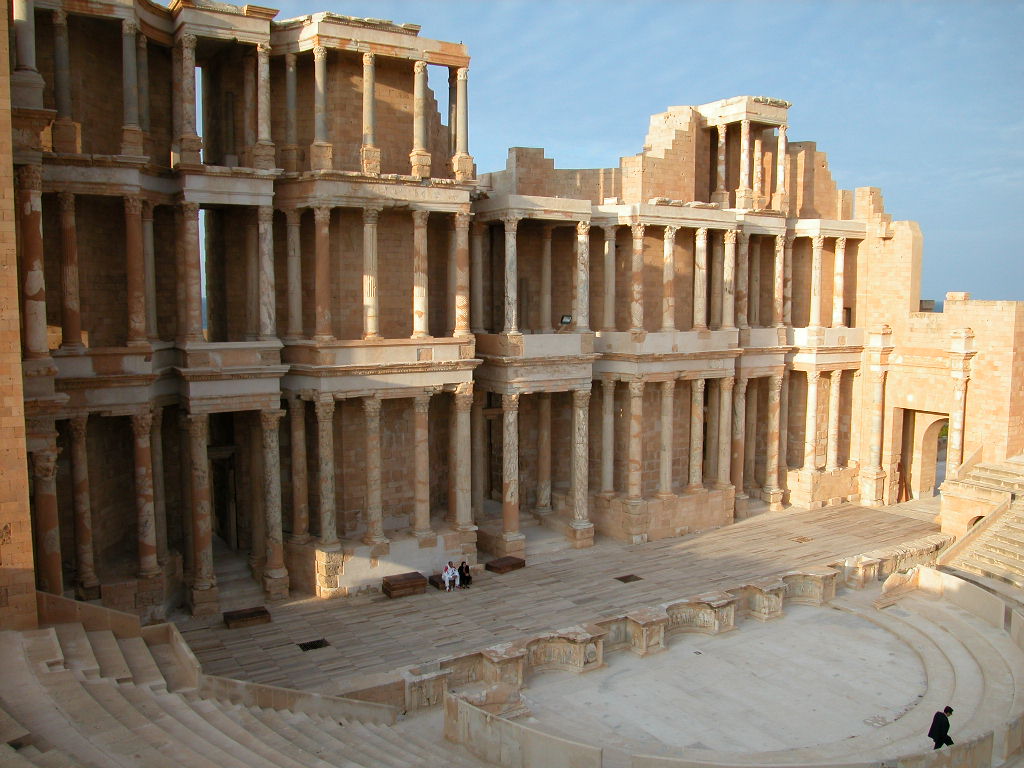


Geography and peoples
The territory called ancient Libya included a range of landscapes from fertile coastal plains to the arid interior. Coastal zones supported agriculture and dense settlement, while inland areas were dominated by desert and oasis regions. Indigenous North African groups — often referred to collectively in ancient sources as Libu or other tribal names — inhabited these lands and are ancestral to later Berber populations.
Regions and settlements
- Cyrenaica: an eastern coastal district known for Greek colonies and rich agriculture.
- Tripolitania: the central Mediterranean coast with important urban centers and port towns.
- Fezzan and the desert interior: oases and trans-Saharan routes connecting coastal societies to interior Africa.
Historical contacts and development
From the first millennium BCE the area lay at the crossroads of Mediterranean civilizations. Phoenician and Carthaginian traders established coastal influence and trade networks, while Greek colonists founded cities that became cultural and economic hubs. Later Roman administration reorganized these coastal provinces but continued many existing patterns of urban life and trade. The region's history is thus marked by interaction among indigenous communities and successive Mediterranean powers.
Importance and legacy
Ancient Libya was important for its agriculture, ports, and as a transit zone between the Mediterranean and sub-Saharan Africa. Classical authors and geographers discussed its peoples and landscape, and its name persisted into later eras. Modern Libya covers part of the classical territories, but the ancient term was more fluid and sometimes applied to much larger stretches of North Africa than the modern state.
Further reading
For introductions and primary-source discussions see classical geographers and historians, and modern surveys that treat Mediterranean colonization and Roman provincial organization. Relevant resources include collections of ancient geography and works on Phoenician and Greek expansion (ancient authors), as well as studies of the Nile's role in defining eastern limits of the classical world (the Nile).
Related articles
Author
AlegsaOnline.com Ancient Libya: geography, peoples and historical significance Leandro Alegsa
URL: https://en.alegsaonline.com/art/3850