
Hjúki and Bil — the children who follow the moon in Norse tradition
Hjúki and Bil are a brother and sister in Norse myth who are said to accompany the personified moon. Attested in the Prose Edda, they have inspired interpretations about lunar markings, phases, and later folklore.
Overview
Hjúki and Bil are a brother-and-sister pair named in medieval Norse sources as companions of the moon. In the account preserved by Snorri Sturluson in the 13th century, the children are seen following Máni, the personified moon, as he travels across the sky. Their brief story has intrigued scholars and folklorists because it offers a mythic explanation for certain features associated with the moon.
Image gallery
4 Images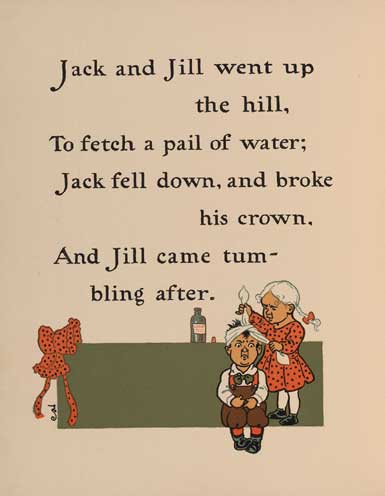


Appearance in sources
The principal description of Hjúki and Bil occurs in the Prose Edda, where Snorri Sturluson recounts that the children were fetching water from a well when Máni seized the pail and carried it away, with the two children clinging to him. The tale is short and survives in only a few lines; there are no extensive poems or sagas centred on them. The moon itself is identified as Máni in the same tradition and is discussed alongside other planetary personifications in medieval Norse cosmology (Norse mythology).
Interpretations and meaning
Scholars have offered several readings of the episode. One common view suggests the pair represent features or phases of the moon: the two figures and their pail are sometimes thought to account for perceived marks on the lunar surface or to symbolize waxing and waning. Such readings are speculative and presented cautiously, since the text provides little explicit interpretative guidance. The idea that they relate to lunar cycles appears in comparative studies of the moon's phases and folk astronomy.
Comparative folklore and later influence
Folklorists have noted parallels between the Hjúki and Bil motif and other European lunar legends, including various "Man in the Moon" stories. Some have even proposed distant links between these names and later nursery rhymes or folk tales, though these connections remain debated rather than established. The children are sometimes invoked in modern retellings as a poetic element of the moon's story.
Notable facts and scholarship
The names themselves are of uncertain origin and meaning; Bil has generated particular etymological speculation but no firm consensus. Because Hjúki and Bil appear in so few sources, most discussion of them is interpretive and comparative rather than documentary. For further reading on medieval Norse cosmology and lunar personifications see specialist treatments of moon personification and summaries in general works on Norse myth or targeted studies using primary texts like the Prose Edda (see Snorri). Additional summaries and interpretations can be found in online and print resources that address folklore and the cultural history of the moon’s cycles.
Related articles
Author
AlegsaOnline.com Hjúki and Bil — the children who follow the moon in Norse tradition Leandro Alegsa
URL: https://en.alegsaonline.com/art/44564