
Heraldry: history, structure, and modern practice
An accessible overview of heraldry: origins, components (tinctures, ordinaries, charges), blazon terminology, historical development and how arms are used, granted and adapted today.
Overview
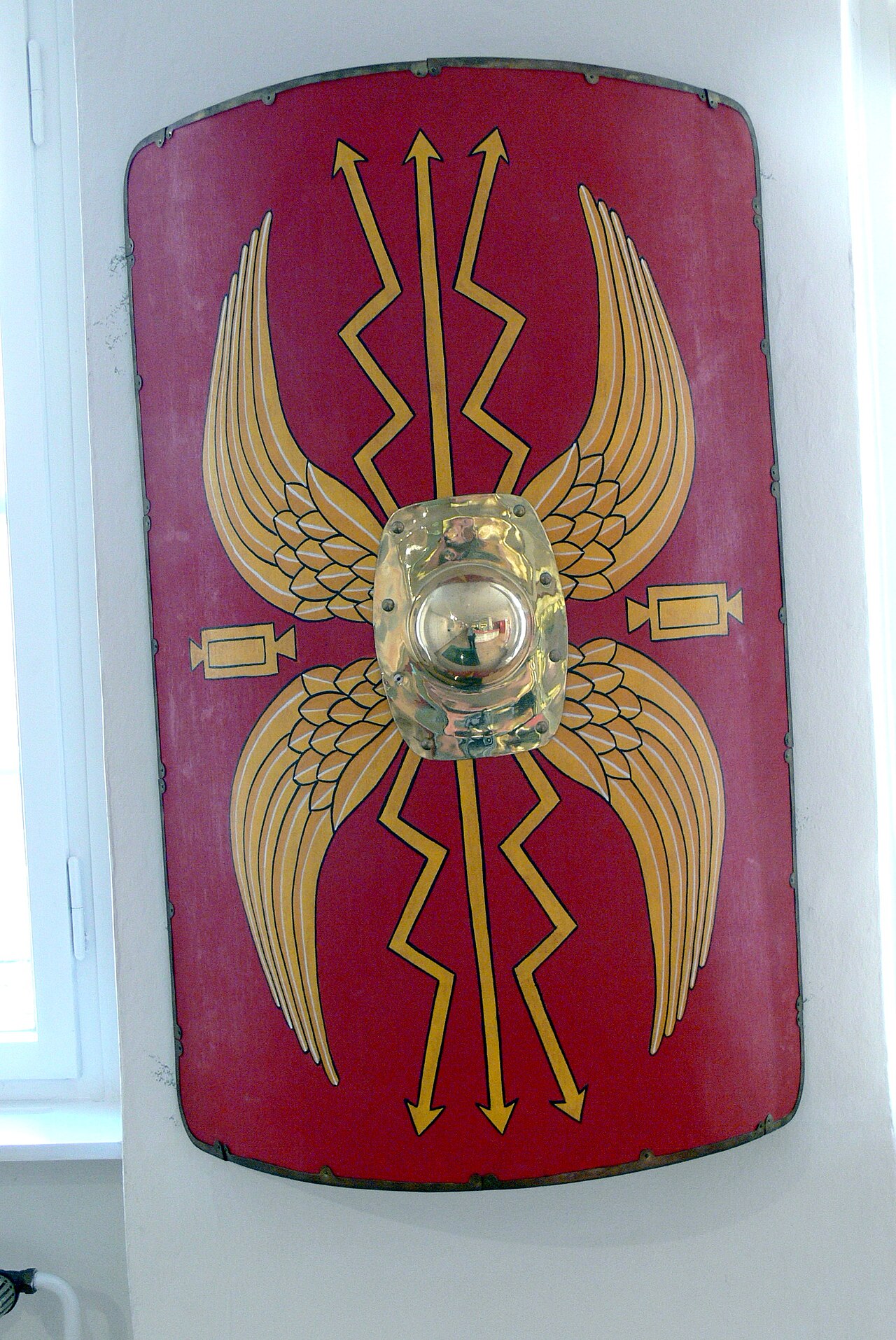
Heraldry is the traditional art and science of creating, describing and regulating the symbols that appear on a coat of arms, shield and related devices. It began as a practical system to identify combatants and property, and developed into a structured body of custom and law used to express family, corporate and civic identity. The formal study of arms is often called armory, while the concise specialized language for describing them is known as blazon.
Image gallery
10 Images





Core elements and terminology
A complete heraldic achievement may include a shield, helm, crest, mantling, supporters and a motto. The shield is the primary surface bearing charges (figures) and divisions. Key terms used by heralds include:
- Tinctures: the colours and metals used in heraldry (for example Or for gold and Argent for silver/white). Tinctures follow traditional rules of contrast to aid visibility.
- Ordinaries: principal geometric shapes such as the bend, fess, chevron and pale that provide basic divisions of the field.
- Charges: pictorial elements—animals, plants, objects, stars and crosses—placed on the field to convey identity or symbolism.
- Blazon: the formal syntax, largely based on French-derived vocabulary, that allows a herald to describe arms precisely so any artist may reproduce them.
Tinctures, furs and rules
Tinctures include metals (chiefly Or and Argent), colours (such as Gules, Azure, Vert) and patterned furs (for instance ermine). One of the best-known conventions is the rule of tincture, which advises against placing a colour on a colour or a metal on a metal, to preserve contrast. Heralds also use differencing to mark cadency within a family, and marshalling to combine arms by marriage or inheritance.
History and social context
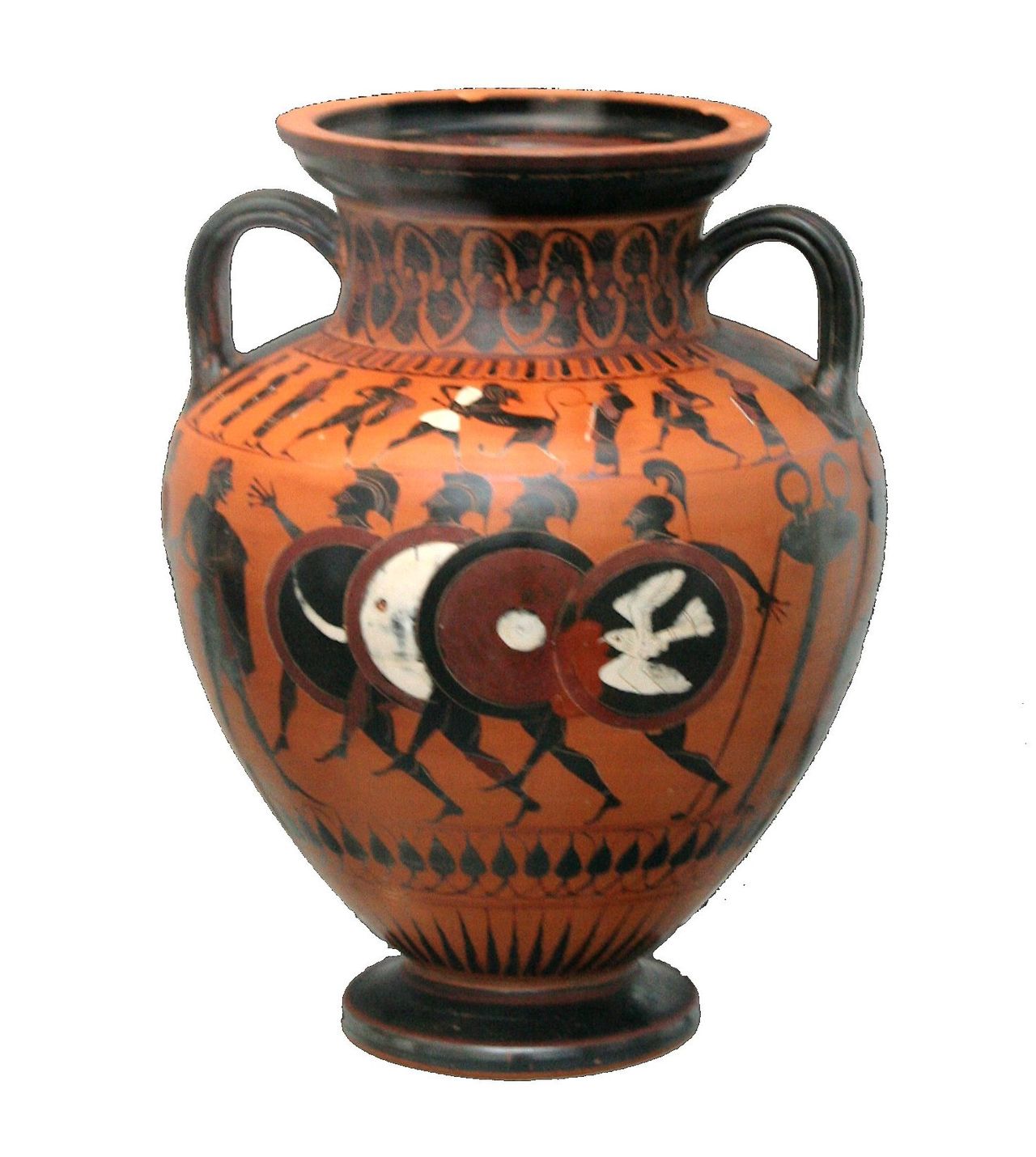
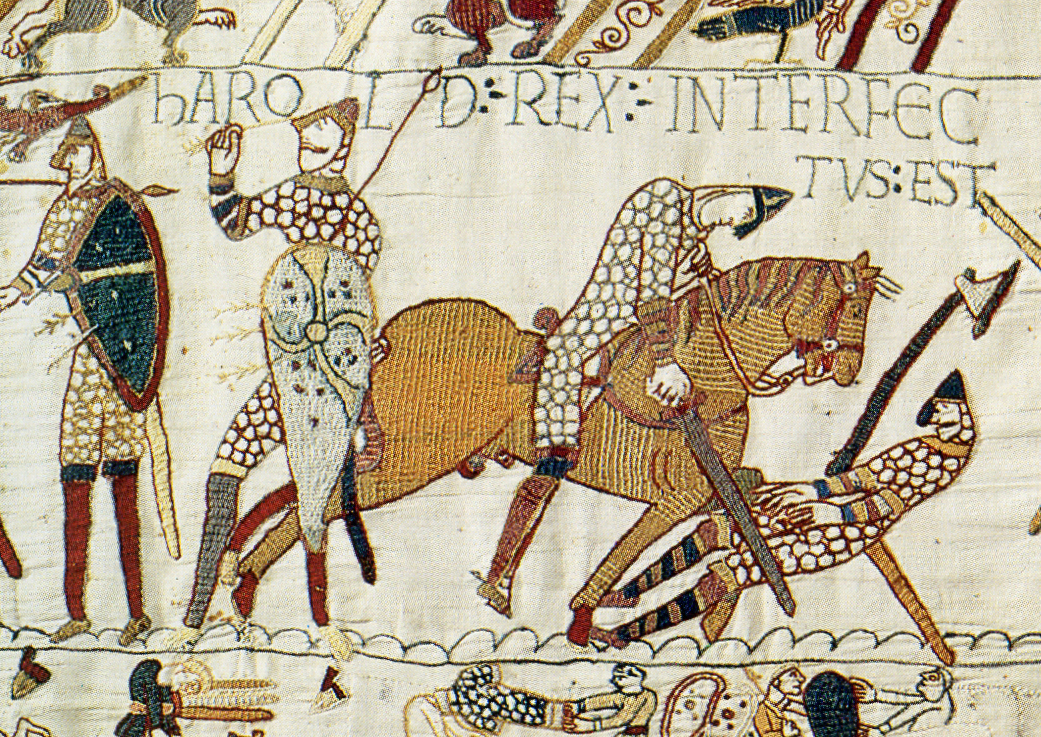
The practice of applying distinctive markings to a shield began in the Middle Ages when a knight in a helmet needed to be recognised in battle and tournament. Initially restricted to the nobility, heraldic devices were later adopted by towns, guilds and merchant families; many cities developed civic arms. By the later medieval period, families of the urban middle class also bore arms—sometimes called burgher arms—reflecting trade, property or municipal status rather than feudal rank.
Heralds, authorities and regulation
In many countries a herald or an office of arms records, grants or confirms coats of arms. The exact status and legal force of grants vary by jurisdiction: some states maintain national registries and officers of arms, while elsewhere arms are treated as customary marks of identity. Those seeking a grant or registration typically petition the responsible authority and, if arms are granted, receive a formal document setting out the blazon and any conditions of use.
Blazon and design practice
Blazon uses a compact phraseology to describe the field, tinctures, ordinaries and charges so the design can be unambiguously reproduced. Design practice favours strong contrast, simple silhouettes and memorable motifs; abilities in both composition and knowledge of tradition are important when designing arms. Heraldic art is intentionally stylised rather than naturalistic, which aids reproduction in varied media.
Modern uses and related fields
Heraldry remains in active use for individuals, families, corporations, universities, religious bodies and nations; arms appear on seals, badges, coins, official stationery and public architecture. The study of flags is closely related and is practised as vexillology, though flags follow display conventions adapted to visibility at distance and in motion. Contemporary designers and institutions often adapt heraldic elements for branding while respecting traditional rules and local practice.
Learning more
Introductory glossaries explain technical terms and the links between English blazon and older French-derived forms; primers cover tinctures, ordinaries and charges. Registers, manuals and the published opinions of heraldic authorities provide information on procedure and local custom. For practical guidance on commissioning, interpreting or registering arms consult recognized heraldic bodies, reference works and illustrated collections: for general introductions see material on the art of heraldry and the science of armory; for design guidance and examples explore resources on design, historical coats of arms and civic arms development. Comparative notes on social and legal contexts are available from regional studies and the registers maintained by officers of arms and learned societies.
Related articles
Author
AlegsaOnline.com Heraldry: history, structure, and modern practice Leandro Alegsa
URL: https://en.alegsaonline.com/art/43675