
Hula: Hawaiian dance tradition, styles, and cultural significance
Hula is a traditional Hawaiian dance form that tells stories through movement and chant. This article explains its styles, instruments, attire, history, cultural role, and contemporary practice.
Hula is a traditional dance form originating in the islands of Hawaii. The word hula derives from the Hawaiian language and refers both to the choreography and to an expressive system that combines gesture, chant, and music to convey stories, genealogy, natural phenomena, and spiritual themes. Both men and women perform hula, which ranges from solemn ritual pieces to lively entertainment.
Image gallery
10 Images


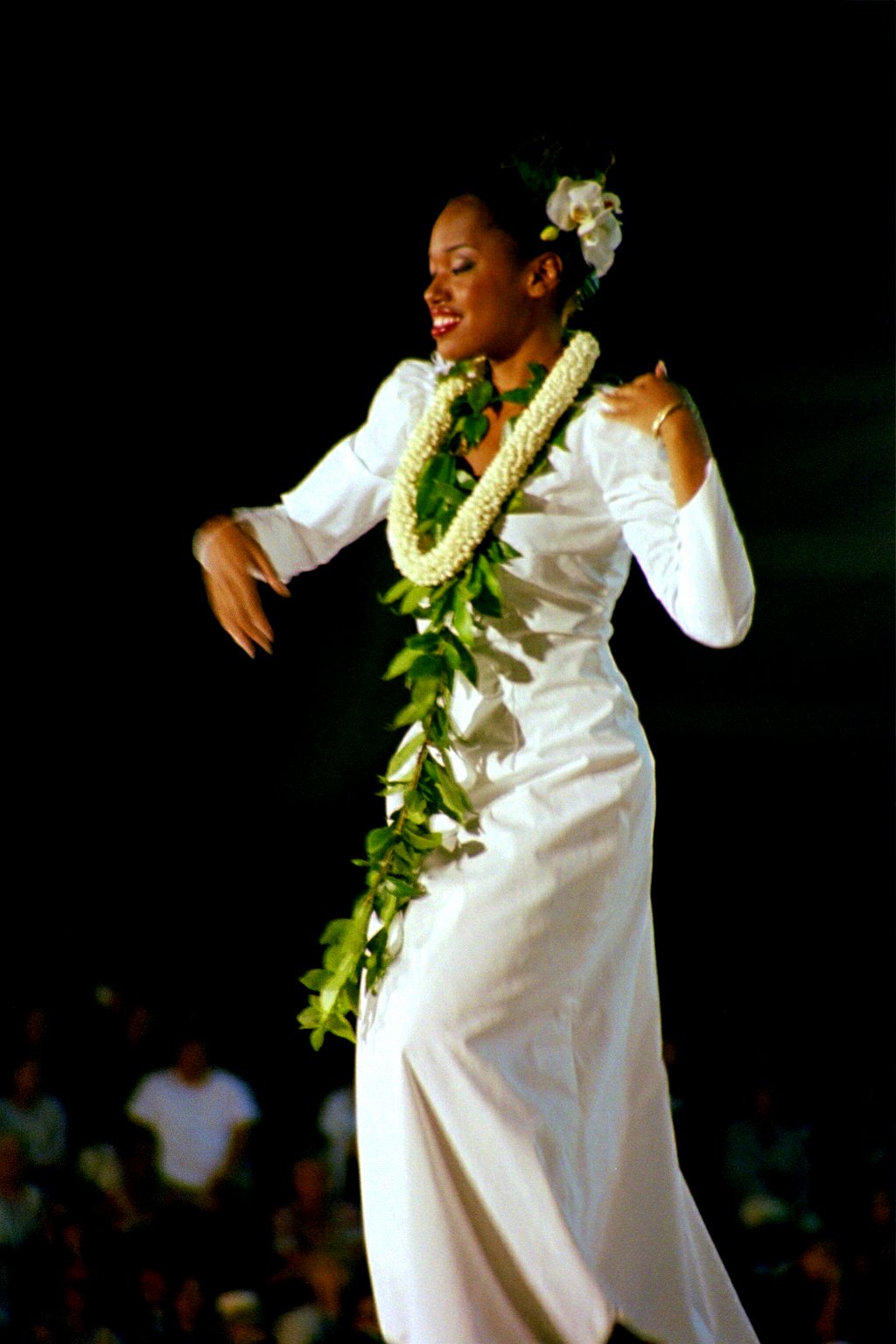
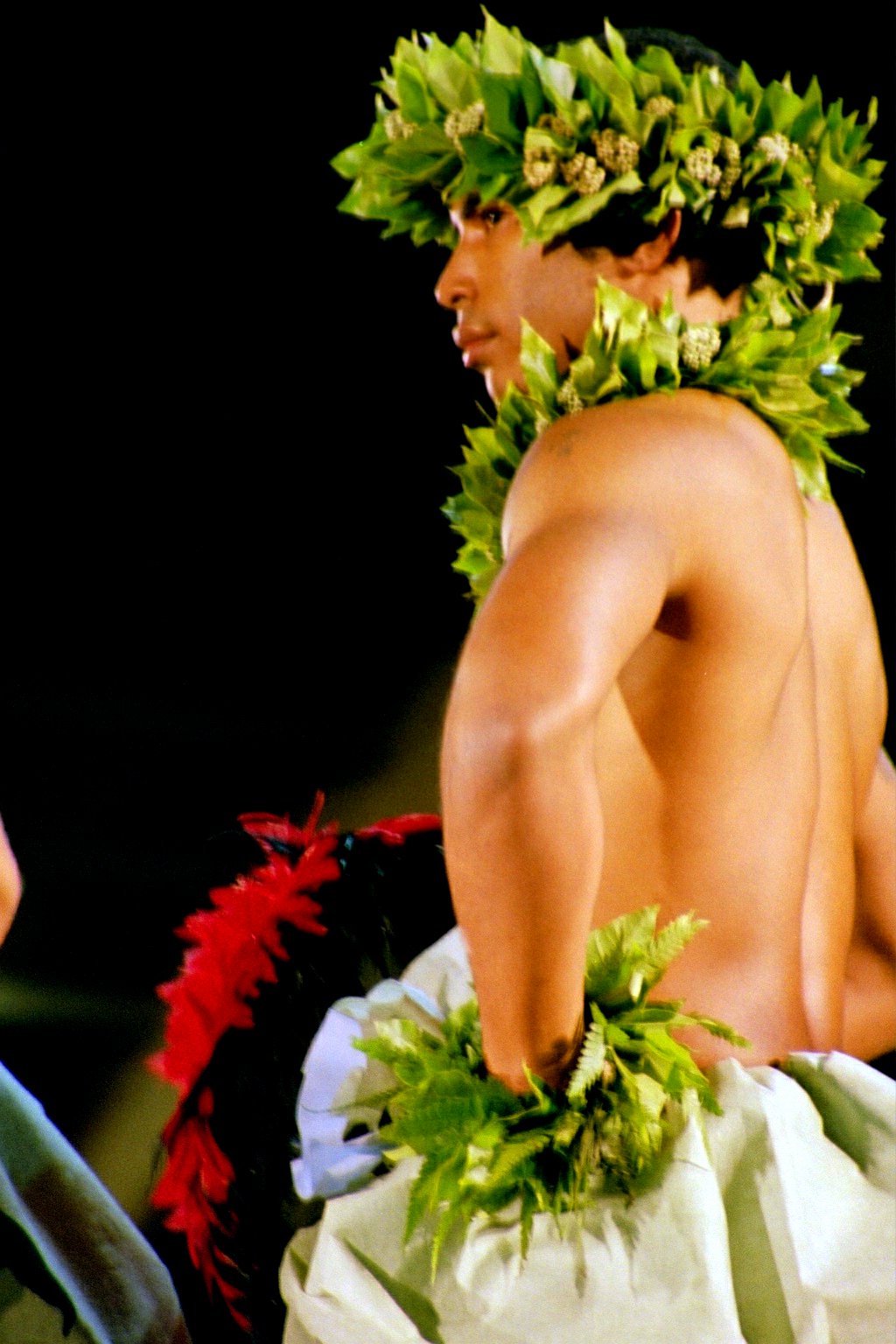
Characteristics and elements
Hula communicates meaning primarily through hand and body movements that symbolize words and images from the accompanying chant or song. Performances may be accompanied by traditional chants (oli) or sung songs (mele), and by percussion and string instruments. A trained teacher (kumu hula) and a group or school (hālau) guide students through technique, vocabulary of gestures, and cultural protocols.
Styles, instruments, and costume
Two principal historic styles are widely recognized: kahiko (ancient) and 'auana (modern). Kahiko pieces are typically performed to chant and traditional percussion such as the pahu (upright drum) or ipu (gourd drum), with a more grounded posture and slower, formal pacing. 'Auana hula developed after contact with Western instruments and often features melodic songs and instruments like guitar or ukulele, lighter movement, and different musical phrasing.
- Common instruments: pahu, ipu, ʻuliʻuli (feathered gourd rattles), and idiophones such as iliʻili (stones).
- Typical attire: women may wear a pāʻū skirt and lei, while men may wear a malo or tapa cloth; both may wear adornments that reflect the dance’s theme.
History and cultural role
Historically, hula served ritual, educational, and historical functions: chants and dances preserved genealogy, myths, and social values. With the arrival of missionaries and changing political conditions, public practice of hula was once discouraged, but in the late 19th century and afterward Hawaiian leaders and communities worked to revive and preserve the art. Today hula remains a living cultural practice, central to identity and memory for Native Hawaiians, and is presented at ceremonies, community gatherings, and festivals.
Contemporary practice and significance
Modern hula exists in many settings: community hālau, formal educational programs, tourist performances, and competitive festivals. Prominent annual gatherings celebrate mastery and choreography while reinforcing cultural protocol and language use. Kumu hula continue to teach both the physical technique and the meaning behind each mele, emphasizing respect for the source material and correct pronunciation.
Notable distinctions and respectful engagement
Hula is distinct from other Polynesian dances in its vocabulary and cultural origins. There are also differences within hula—between ancient and modern pieces, between regional styles, and between ceremonial and entertainment contexts. When attending or presenting hula, it is customary to acknowledge the cultural roots, avoid stereotyping costumes or movements, and seek permission before using chants or choreography that belong to particular hālau or families.
Related articles
Author
AlegsaOnline.com Hula: Hawaiian dance tradition, styles, and cultural significance Leandro Alegsa
URL: https://en.alegsaonline.com/art/45618