
Heraldry of León (Spain)
The heraldic lion is the historic emblem of the city, province and medieval kingdom of León. This article explains its appearance, origins, historical use, symbolism and relation to neighbouring arms.
The heraldic lion is the principal emblem historically associated with the Spanish city and province of León and with the medieval Kingdom of León. Adopted in royal usage in the 12th century, the lion replaced earlier Christian emblems on some official items and became a persistent charge in Iberian heraldry. As an icon it appears on seals, coinage, banners and civic coats of arms and survives today in municipal and provincial insignia as well as on the modern flag of León.
Image gallery
4 Images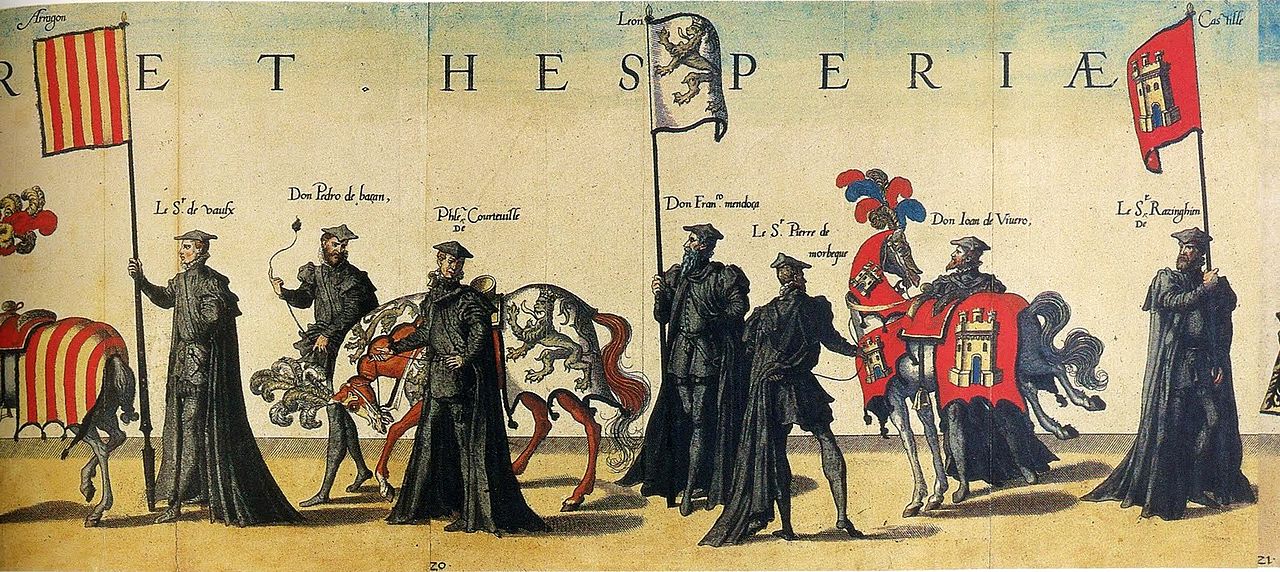


Description and heraldic elements
The classic arms of León show a single lion in profile in the rampant pose (standing on one hind leg with forelegs raised), often crowned. In traditional heraldic language the creature is commonly rendered in a purple (purpure) tone against a silver or white (argent) background; royal depictions frequently add a golden crown. These elements — the lion as the main charge, its rampant attitude and the crown — communicate rulership and martial valour in the idiom of medieval European heraldry.
Origins and historical development
The use of a lion as a dynastic mark for León is documented from the reign of Alfonso VII (reigned 1126–1157), when the motif began to appear on coinage and formal seals. Contemporary chronicles such as the Chronica Adefonsi Imperatoris mention the device and confirm its association with the monarch. Before this change many Leonese royal instruments used the cross as a distinguishing sign; over time the lion steadily supplanted the cross on several media. The lion is among the older continuous heraldic symbols in western Europe and predates the famous castle that later identified the neighbouring Kingdom of Castile and its arms.
Uses, symbolism and legacy
Historically the lion served several practical and emblematic roles: it functioned as a royal badge on coins, as a mark of authority on charters and seals, and as a device on banners used in war and ceremony. Symbolically, the lion evokes courage, sovereignty and strength — attributes medieval dynasties wished to project. When León and Castile were politically united, both the lion and the castle entered composite coats of arms to reflect the dynastic union; that combination became a prominent part of later Iberian heraldry.
Notable distinctions and modern use
Modern civic heraldry preserves the medieval lion in city and provincial arms and on municipal flags. The contemporary flag of León is typically a red field bearing the historic coat of arms or lion at its center. Variations exist in artistic representation—different stylizations of the lion, changes in hue, and the presence or absence of a crown—but the basic charge remains recognisable and continuous from medieval to modern times.
Quick reference and further reading
- Main charge: lion rampant — see visual examples: lion.
- Heraldic context: heraldic traditions and terminology.
- Role as an identifying symbol of rulers and territory.
- Associated place: León (city and province).
- Historic polity: Kingdom of León.
- Earlier emblem often replaced: the cross.
- Local heraldic neighbour and contrast: the castle of Castile.
- Related realm: Castile.
- Flag background colour often used in modern banners: red.
For visual examples, reproductions and municipal descriptions consult regional archives, specialised heraldic collections and municipal websites. These sources show how the lion has been stylised across centuries while remaining a principal emblem of León's identity.
Related articles
Author
AlegsaOnline.com Heraldry of León (Spain) Leandro Alegsa
URL: https://en.alegsaonline.com/art/43674