
High Middle Ages (11th–13th centuries)
Period of European history (c. 1000–1300) marked by population growth, urban revival, Crusades, cathedral-building, rise of monarchies, universities and widening trade networks.
Overview
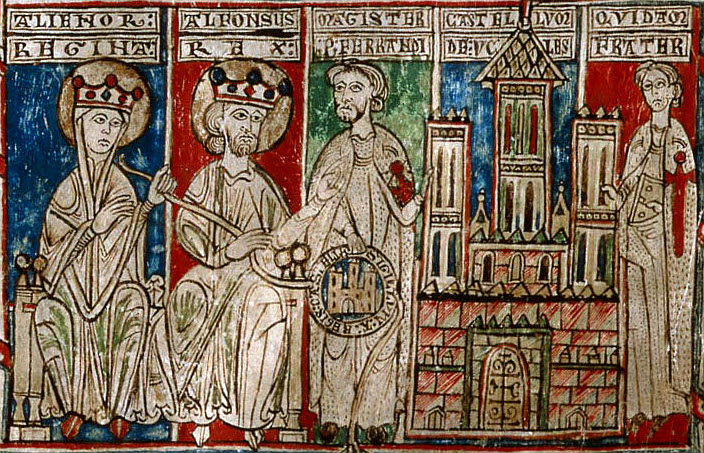
The High Middle Ages refers to the central phase of medieval European history, conventionally placed in the 11th through 13th centuries (roughly AD 1000–1299). It succeeds the Early Middle Ages and precedes the Late Middle Ages. During this period many regions of Europe experienced sustained population growth, territorial consolidation, economic revival and cultural renewal. Political authority began to concentrate in emerging monarchies while local lordships, towns and ecclesiastical institutions remained important.
Image gallery
10 Images






Key characteristics
- Demographic and agricultural change: improved farming techniques, crop rotation and new tools increased yields and supported larger populations.
- Urban and commercial revival: towns and markets expanded, long-distance trade networks grew and merchant classes became influential.
- Religious and military movements: reforming Church institutions, monastic renewal and Crusading expeditions shaped international relations and ideas of piety.
- Architectural and artistic innovation: Romanesque architecture developed into Gothic cathedrals with new engineering techniques and decorative programs.
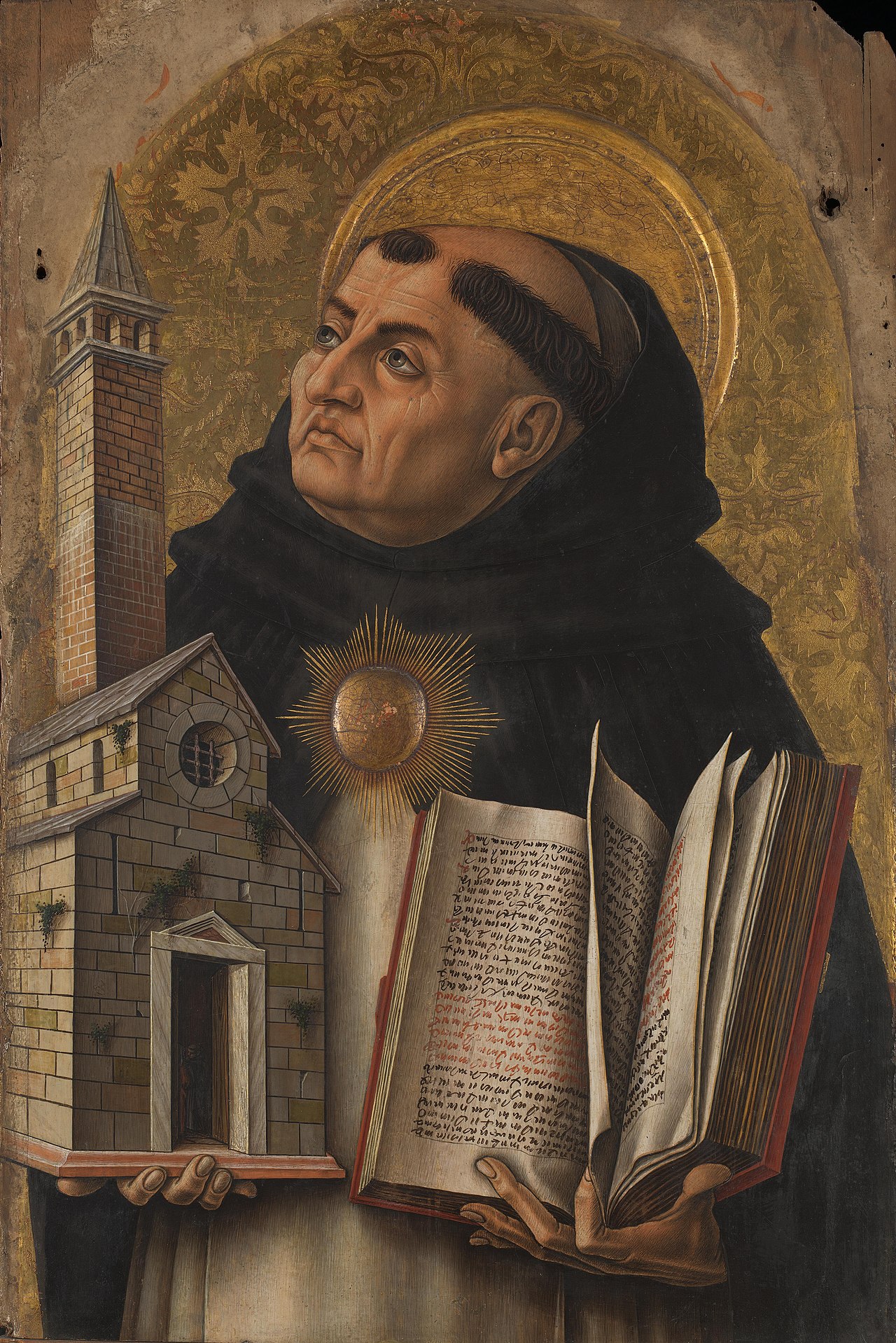
- Intellectual growth: cathedral schools evolved into universities and scholasticism systematized theology and law.
These features did not occur uniformly; regions differed greatly depending on local politics, geography and contacts with the wider Mediterranean and Eurasian worlds.
Social and political developments
Feudal structures dominated landholding and military obligations, but the period also saw the gradual formation of more centralized states in places such as France and England, alongside powerful principalities and city-states in Italy and the German lands. Legal reforms, the codification of customary law and the growth of bureaucratic institutions contributed to more complex governance.
Cultural and economic life
Trade routes across the Mediterranean, North Sea and Baltic fostered the exchange of goods, money and ideas. Banking and credit practices expanded in urban centers. Intellectual life was enriched by translations of ancient and Arabic texts, the rise of universities, and a flowering of literature, philosophy and theology. Visual arts and monumental architecture served both devotional and civic functions.
Legacy and distinctions
The High Middle Ages set foundations for later developments: stronger territorial states, vibrant urban economies, and institutions of learning that influenced the Renaissance and early modern period. It is important to distinguish this era from the preceding Early Middle Ages, which involved recovery and consolidation after the fall of the Roman Empire, and the subsequent Late Middle Ages, when demographic and climatic strains and catastrophic disease altered European societies. For broader context see overviews of the Early Middle Ages and related regional histories.
Related articles
Author
AlegsaOnline.com High Middle Ages (11th–13th centuries) Leandro Alegsa
URL: https://en.alegsaonline.com/art/44104