
Henry Morgentaler
Physician, Holocaust survivor and leading Canadian pro‑choice activist whose legal challenges helped change abortion law and public debate in Canada.
Overview
Henry Morgentaler was a Polish-born physician and a prominent advocate for abortion rights in Canada. A survivor of the Holocaust, he became a central and polarizing figure in the struggle to change Canadian criminal law on abortion. His personal history, clinical work and sustained legal challenges made him an influential public figure whose actions provoked vigorous public debate and a lasting legal legacy.
Image gallery
2 Images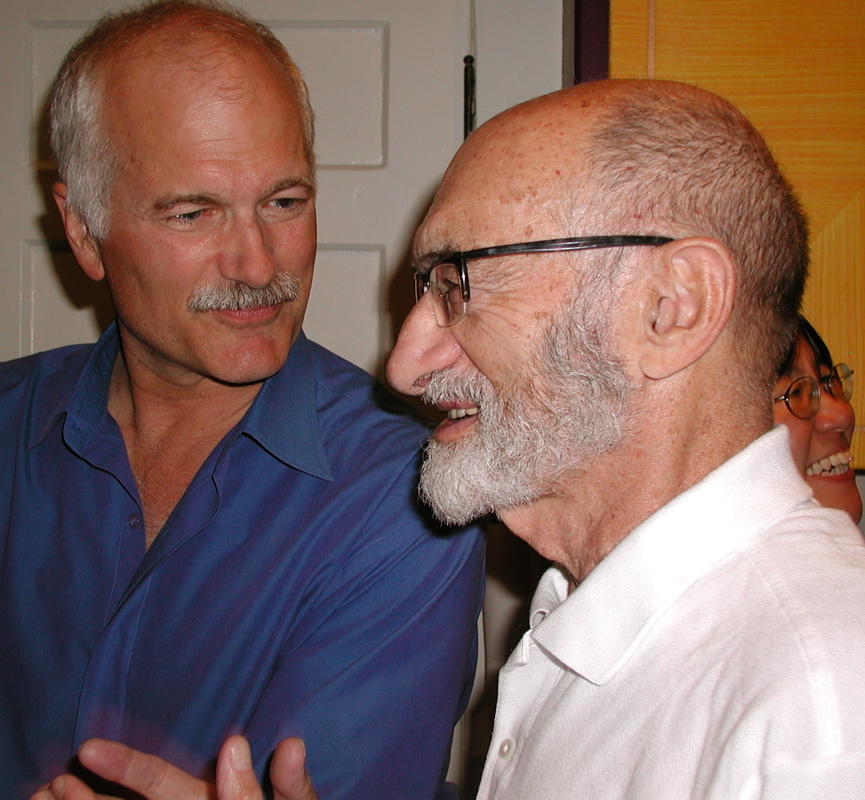

Early life and wartime experience
Born in Łódź in what was then Poland, Morgentaler lived through the upheavals of World War II and the Nazi persecution of Jews. As a young man he was confined to the Łódź Ghetto and later endured imprisonment in a concentration camp before surviving the war. Those early experiences shaped his later commitments to human rights and personal autonomy.
Medical career and activism
Trained as a physician, Morgentaler emigrated to Canada and worked in medical practice while becoming increasingly involved in reproductive health and women’s access to safe abortion. He argued that existing criminal restrictions denied women medical care, and he opened clinics to provide services when legal and medical access were limited. His activism was closely tied to broader movements advocating for legal reforms to expand reproductive choice.
Legal battles and public impact
Over several decades Morgentaler was at the centre of court cases and prosecutions that tested Canada’s abortion laws. His challenges culminated in a landmark Supreme Court decision that removed the existing statutory framework governing abortion, reshaping the legal landscape. The litigation and public campaigns around his clinics brought attention to questions of medical ethics, criminal law and individual rights.
Notable features and controversies
- Morgentaler’s actions were praised by supporters as courageous efforts to protect women’s health and autonomy.
- Critics condemned him for what they saw as deliberate breaches of criminal law and for taking controversial medical steps outside established frameworks.
- The debates his work provoked influenced subsequent health policy discussions, professional guidelines and political discourse in Canada.
Honours, legacy and death
In later years Morgentaler received formal recognition for his contributions to public life and human rights, reflecting the complex public assessment of his career. He identified as a humanist and was named to national honours. His life is often recounted in discussions that combine his early survival of the Holocaust with his later role in shaping reproductive law and public debate. He died at an advanced age in Toronto, leaving a contested but significant legacy in Canadian law and society.
References and further reading: see entries for his biography, major court rulings and historical background on World War II, Polish Jewish history and Canadian reproductive law. For official honours information and biographical summaries consult national resources and published legal analyses.
Poland (birthplace) • Łódź • World War II • physician • abortion rights • Canada • Order of Canada and honours • Toronto (place of death)
Related articles
Author
AlegsaOnline.com Henry Morgentaler Leandro Alegsa
URL: https://en.alegsaonline.com/art/43608