
Henry N. Cobb (1926–2020) — American architect and designer
Profile of Henry N. Cobb, founding partner of Pei Cobb Freed & Partners, noting his major skyscrapers, design approach, career highlights, and lasting influence on modern architecture.
Henry Nichols Cobb was an American architect known for elegant high‑rise designs and a long partnership in one of the 20th century's leading practices. Born in Boston, Massachusetts, on April 8, 1926, he became a founding partner of the New York–based firm Pei Cobb Freed & Partners, established with I. M. Pei and Eason H. Leonard. His career combined large urban commissions, careful geometric thinking, and an interest in proportion and materiality.
Image gallery
6 Images


Early life and education
Cobb grew up in New England and pursued architectural training at Harvard, later continuing studies in design and theory. His formation took place amid the strong modernist influences that shaped mid‑20th century American architecture; teachers and colleagues from that period emphasized rigorous composition and the possibilities of new structural systems. Those ideas informed his work throughout a career that spanned several decades.
Career and major works
As a partner in a prominent international firm headquartered in New York City, Cobb led or contributed to many significant projects. He is best known for a handful of civic and commercial towers that altered several city skylines:
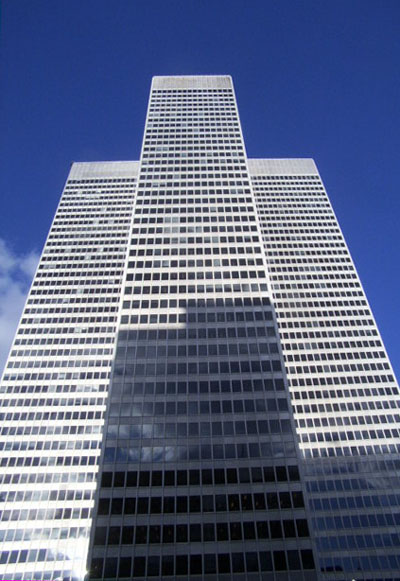
- John Hancock Tower (Boston) — a tall, glass‑clad office tower celebrated for its slender profile and the precision of its reflecting surfaces; the building also experienced well‑publicized facade challenges during its early years.
- Hyatt Center (Chicago) — a large downtown skyscraper completed in the early 21st century, noted for its massing and urban presence.
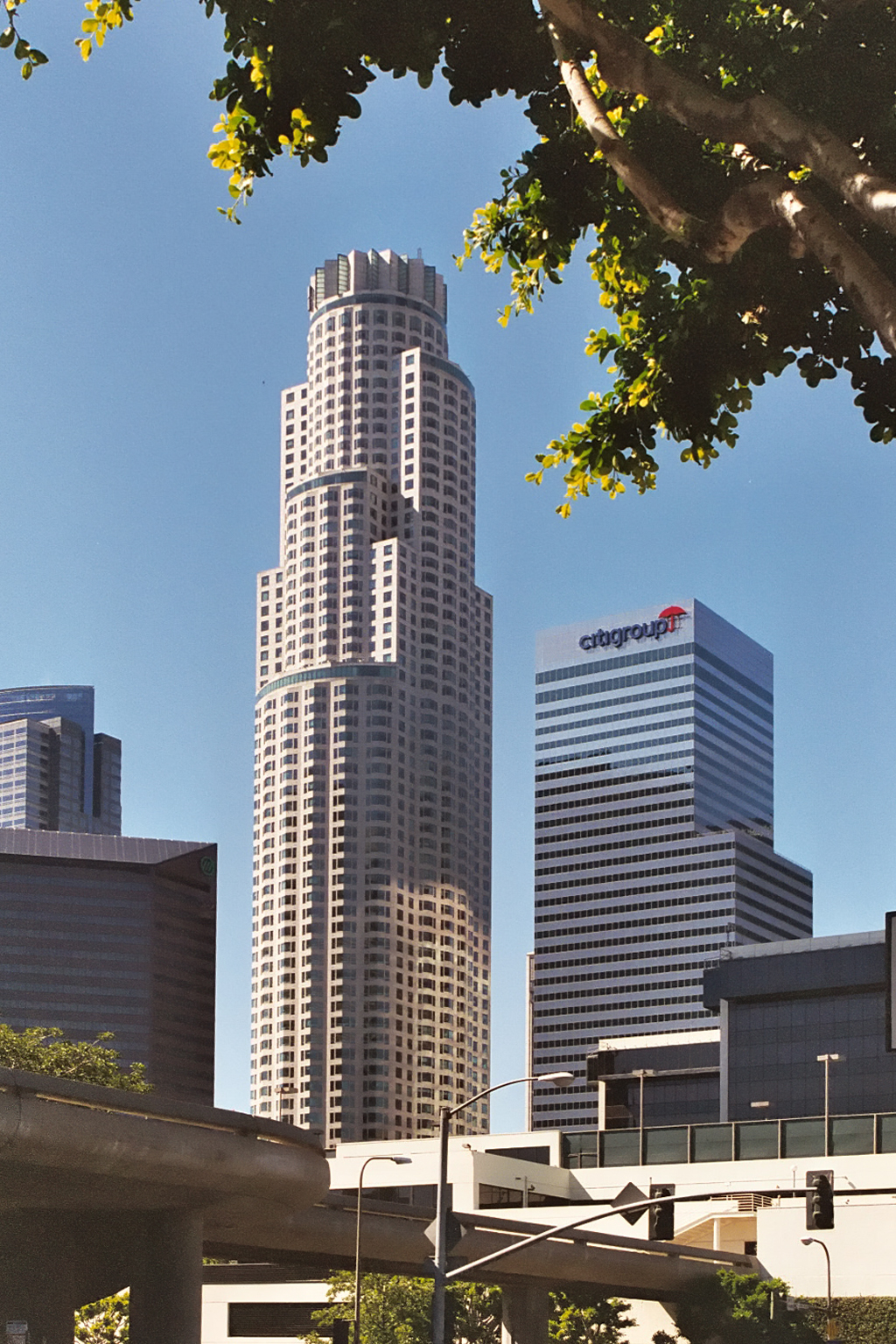
- U.S. Bank Tower (Los Angeles) — one of the city's tallest buildings and a landmark example of late 20th‑century commercial high‑rise design.
Design approach and influence
Cobb's work balanced modernist clarity with an interest in monumentality and context. He often employed glass curtain walls, careful proportions and simple, robust volumes to achieve a sense of refinement at a large scale. His buildings are studied for their attention to silhouette, daylighting and the relationship between tower and street.
Legacy
Through both built work and the ongoing output of his firm, Cobb left a visible imprint on American and international architecture. His towers continue to shape city skylines and are referenced in discussions about materials, engineering and urban design. He remained active in architectural discourse and influenced younger designers who followed in the modernist tradition.
Henry N. Cobb died on March 2, 2020, at the age of 93. His career is remembered for large‑scale commissions, meticulous composition, and a lasting contribution to the vocabulary of contemporary high‑rise architecture.
architect | Pei Cobb Freed & Partners | New York City | Boston | Massachusetts | Hyatt Center | John Hancock Tower
Related articles
Author
AlegsaOnline.com Henry N. Cobb (1926–2020) — American architect and designer Leandro Alegsa
URL: https://en.alegsaonline.com/art/43610
Sources
- gsd.harvard.edu : "Harvard Design Magazine suporters"
- archpaper.com : "Henry N. Cobb dies at 93"