
Henry Purcell — English Baroque composer (c.1659–1695)
Henry Purcell was a leading English Baroque composer whose short life produced church music, theatre music, songs and instrumental works that shaped English musical style for centuries.
Henry Purcell (c.1659–21 November 1695) is widely regarded as one of England's most important Baroque composers. Born and buried in Westminster, he produced a large and varied body of music before his early death at about 36. Trained in the English choral tradition, Purcell combined native vocal practice with Italian and French influences to forge a distinctively English musical voice.
Image gallery
6 Images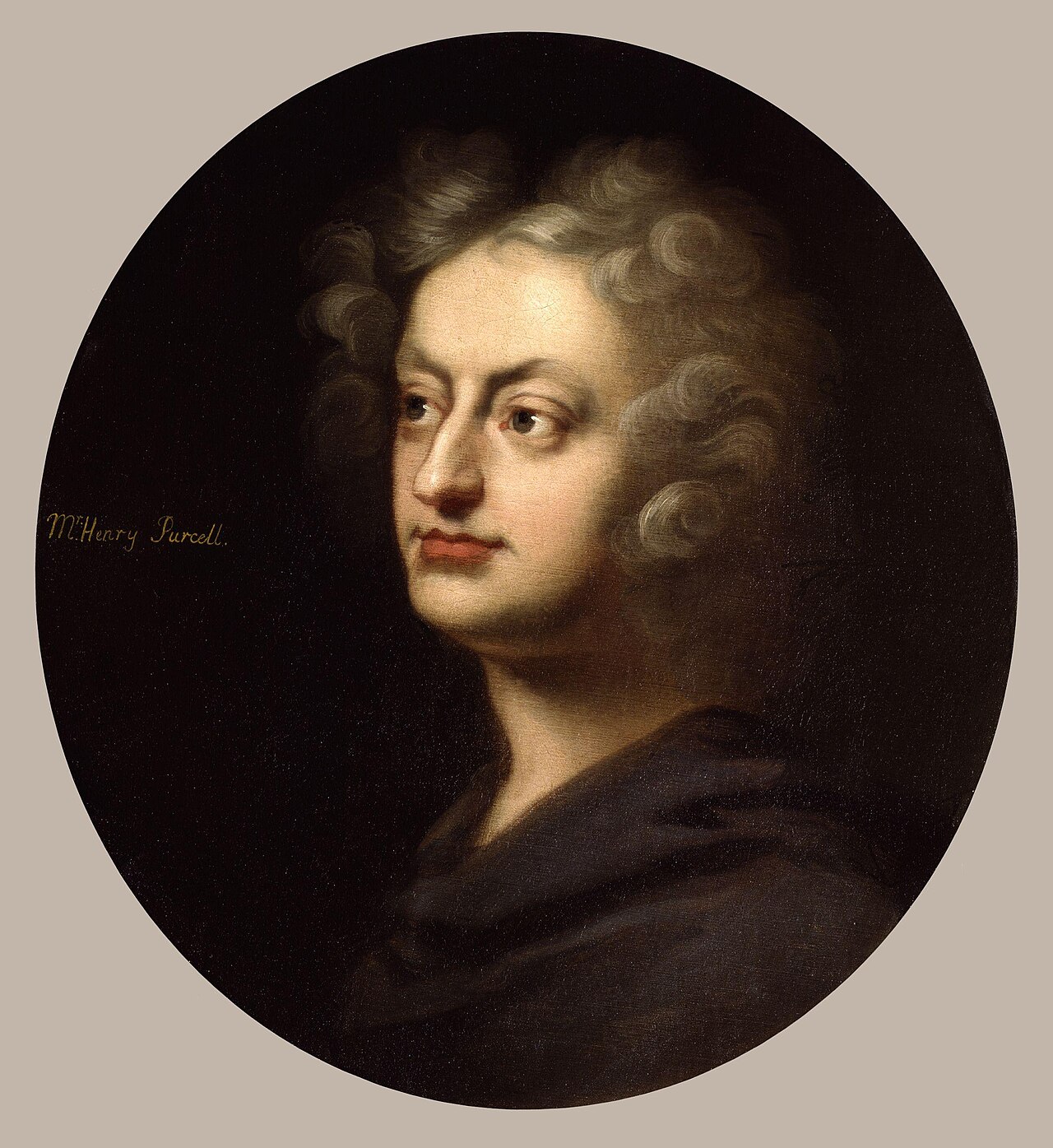
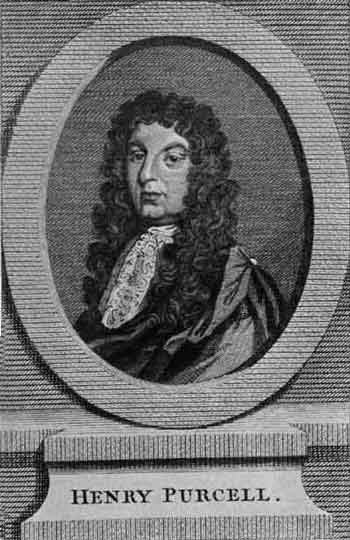
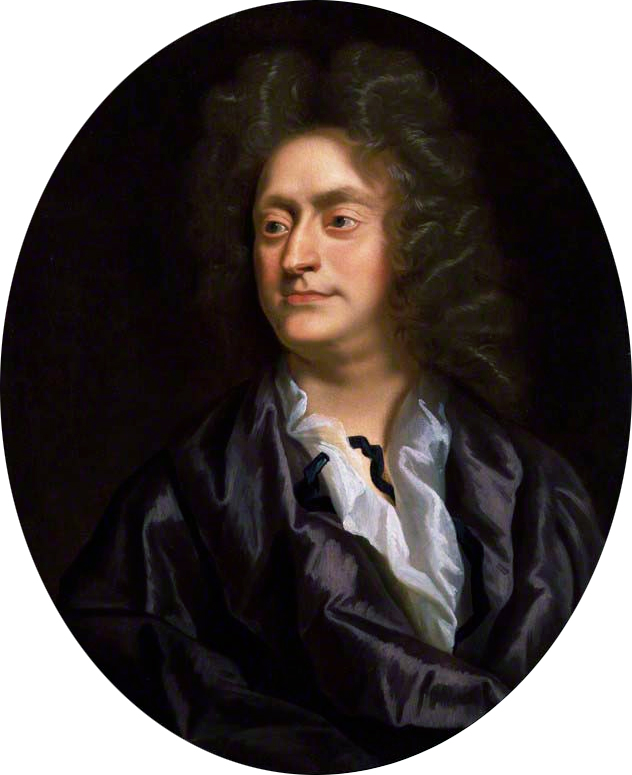


Career and positions
Purcell grew up in a family of musicians and received early training in the royal and ecclesiastical institutions of London. He held important posts at the Chapel Royal and at Westminster Abbey, composing for church services and court occasions. He supplied music for royal ceremonies, odes, and plays staged at the theatres and at court, gaining patrons among the aristocracy and the crown.
Styles, forms and characteristics
Working in the Baroque period, Purcell drew on continental models while maintaining English clarity of vocal writing. His output includes anthems and services for the Anglican church, stage music and semi-operas written for the London theatre, catches and popular songs, and instrumental pieces such as fantasias and sonatas. He is noted for expressive harmonies, effective use of ground bass, and an ability to write powerful arias and vivid choral textures.
Major works and examples
- Dido and Aeneas — an early English opera whose aria "When I am laid in earth" (Dido's Lament) remains widely performed.
- The Fairy-Queen — a semi-opera based on Shakespearean material that blends masque and theatre music.
- Numerous sacred works — anthems, services and smaller liturgical pieces used in Anglican worship.
- Instrumental music — consort music, sonatas and keyboard pieces that reflect both English and continental tastes.
Historical context and influence
Purcell worked during the late 17th century when English music was being reshaped after the turmoil of the Civil War and Restoration. He admired and absorbed elements of Italian expressiveness and French dance and orchestral practice, creating a synthesis that sounded English to contemporary listeners. His music influenced later British composers and enjoyed periodic revivals; scholars and performers in the 19th and 20th centuries helped restore his reputation internationally.
Legacy and notable facts
Although his life was brief, Purcell's catalogue covers church, court, theatre and domestic music. He wrote works intended for both liturgy and popular entertainment, from solemn anthems to convivial songs and theatrical suites. He remains a central figure in studies of English Baroque music and is frequently performed worldwide. For further reading and source material see introductions and catalogues available online and in specialist collections: general reference entries, recordings and scholarly editions provide accessible starting points (overview, catalogues, score collections, recordings). Additional context about the institutions and places connected to his life can be found through dedicated resources (archives, biographical guides).
Questions and answers
Q: Who was Henry Purcell?
A: Henry Purcell was an English composer who is considered by many musicians as the greatest English composer of all time.
Q: When and where was Henry Purcell born?
A: Henry Purcell was born in Westminster around 1659.
Q: What kind of music did Henry Purcell write?
A: Henry Purcell wrote a large amount of music that includes church music, instrumental music, music for the theatre, and even popular drinking songs.
Q: Which period did Henry Purcell live in?
A: Henry Purcell lived in the Baroque period.
Q: What type of music did Henry Purcell like?
A: Henry Purcell liked Italian and French music.
Q: What did Henry Purcell do to make his music typically English?
A: Henry Purcell combined Italian and French music styles to create something that was typically English.
Q: What was Henry Purcell's notable achievement in English music history?
A: Henry Purcell wrote the first English opera.
Related articles
Author
AlegsaOnline.com Henry Purcell — English Baroque composer (c.1659–1695) Leandro Alegsa
URL: https://en.alegsaonline.com/art/43612