
Henry Royce — engineer and co‑founder of Rolls‑Royce
English engineer Sir Henry Royce (1863–1933) co‑founded Rolls‑Royce. Known for exacting engineering and quiet, reliable powerplants, his work shaped early luxury automobiles and aircraft engines.
Overview
Sir Henry Royce (27 March 1863 – 22 April 1933) was an English engineer and industrialist best known as the technical founder of the Rolls‑Royce enterprise. In partnership with Charles Stewart Rolls he helped create a marque synonymous with precision engineering and high‑quality motor cars. The partnership combined Royce's engineering skills with Rolls's commercial contacts and motoring experience to form a company that became influential in both automotive and aeronautical fields. Rolls‑Royce remains a widely recognized name in transportation and engineering. Company history explores the business side of that development.
Image gallery
6 Images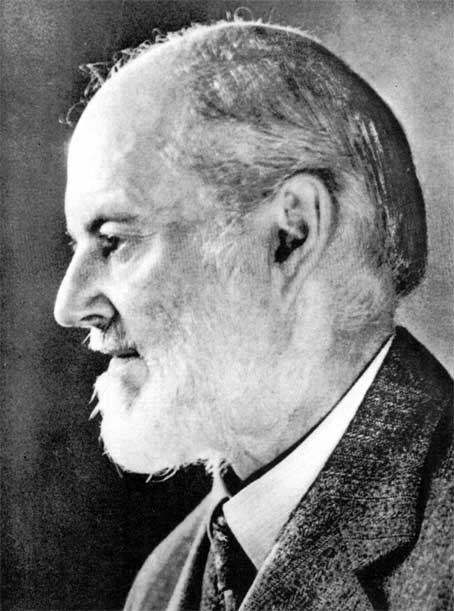


Early life and training
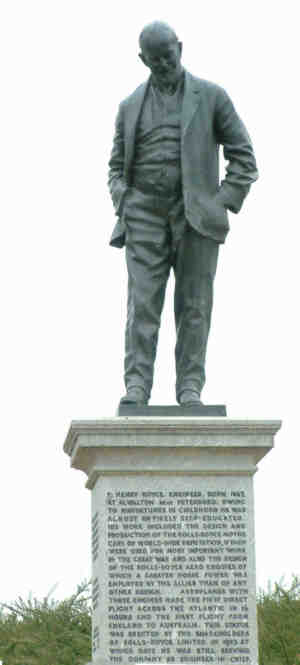
Royce was born in Alwalton, Huntingdonshire, near Peterborough, the youngest of five children. He trained and worked as an electrical and mechanical engineer, developing an early reputation for practical skill and meticulous workmanship. His formative years were spent learning precision techniques and experimenting with small machines, skills that later guided his approach to automotive design. Local accounts note his ties to the area around Alwalton and Peterborough.
Career and engineering approach
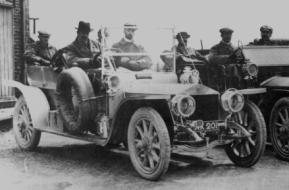
Royce favored simplicity, durability and smooth operation. Rather than pursuing fashion or flamboyance, his designs emphasized reliability, quiet running and fine finishes. These priorities translated into vehicles that appealed to customers who valued engineering excellence. The firm's engineering culture stressed hand finishing, careful material selection and attention to tolerances—traits that became hallmarks of the brand.
Legacy, uses and notable facts
Under Royce's influence, the business expanded beyond luxury cars into powerplants for aircraft and other heavy uses; the move into aero engines was particularly important during periods of military demand in the early twentieth century. The Rolls‑Royce name came to represent not only prestige automobiles but also advanced engine design. Royce himself is remembered for a hands‑on, improvement‑driven approach that influenced generations of engineers.
Key characteristics and distinctions
- Emphasis on engineering precision and quiet, reliable powertrains.
- Combination of technical mastery (Royce) and salesmanship (Rolls).
- Transition from bespoke cars to a manufacturer of engines used in aviation and industry.
Related articles
Author
AlegsaOnline.com Henry Royce — engineer and co‑founder of Rolls‑Royce Leandro Alegsa
URL: https://en.alegsaonline.com/art/43613