
Łódź, Poland
Łódź is a major city in central Poland, historically a 19th-century textile and industrial center. Today it is known for cultural institutions, film and design schools, post‑industrial regeneration, and a long main street.

Overview: Łódź is a large city in central Poland, traditionally ranked among the country’s largest urban centres. Its name in Polish literally means “boat.” The Polish pronunciation is often approximated in English as "woodge." The city developed rapidly during the 19th century as an industrial and textile hub and today combines historic factory architecture with modern cultural life.
Image gallery
5 Images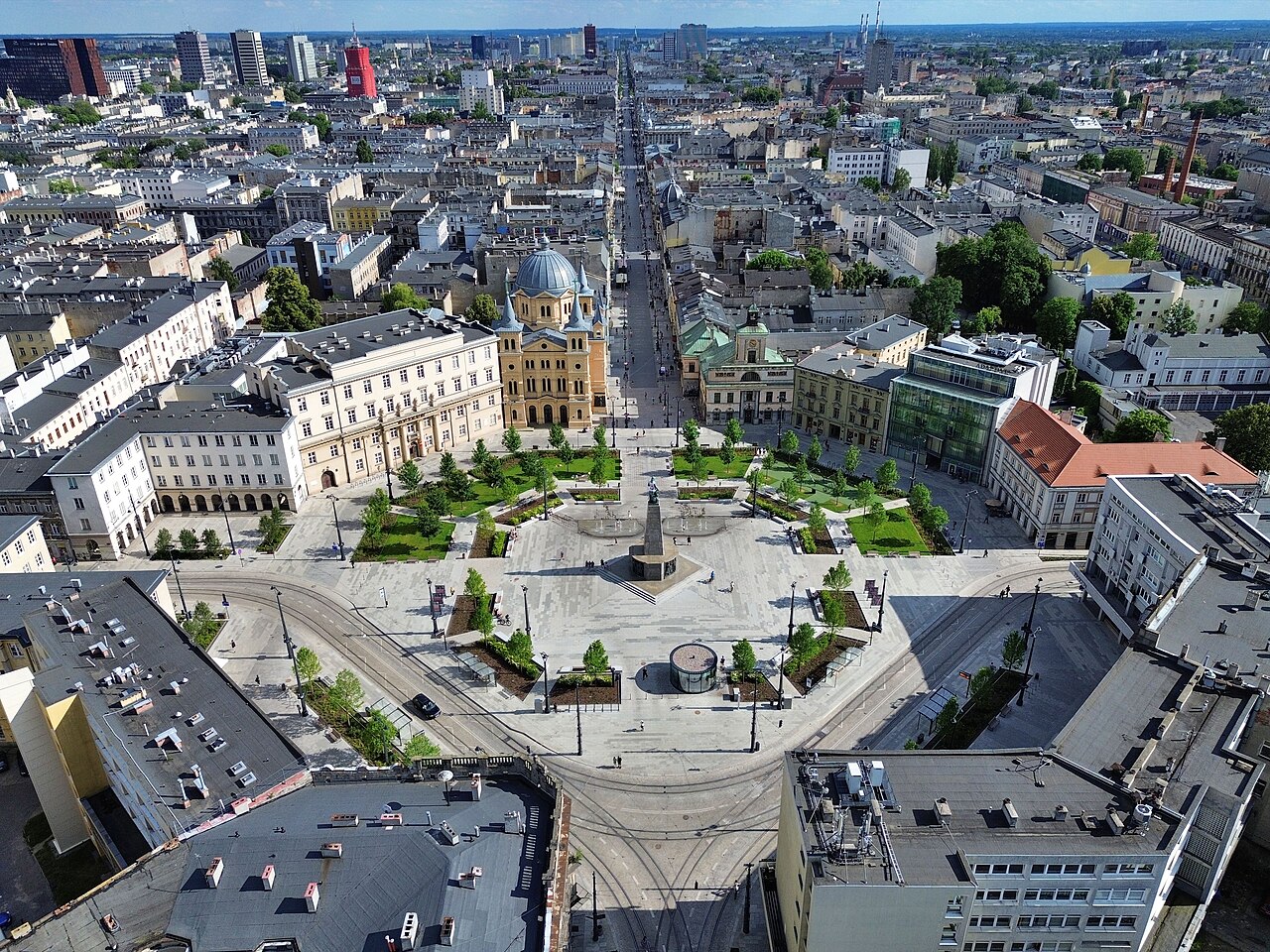


Characteristics and urban fabric
Łódź is set roughly in the middle of the country and serves as the capital of the Łódź Voivodeship. Its built environment includes long 19th‑century tenement rows, former factory complexes, and broad avenues. Piotrkowska Street is one of Europe’s longest commercial thoroughfares and remains a focal point for shops, restaurants and public events. Many former mills and textile plants have been repurposed for museums, offices and cultural venues.
History and development
The city’s major expansion took place during the 1800s, when industrialists established large textile manufactories and a multiethnic workforce settled there, including Poles, Jews and Germans. This rapid industrialisation gave Łódź a distinctive urban character and left a dense legacy of factory buildings. After the decline of heavy textile production in the 20th century, the city has been engaged in long-term regeneration projects aimed at adapting industrial heritage to new uses.
Culture, institutions and economy
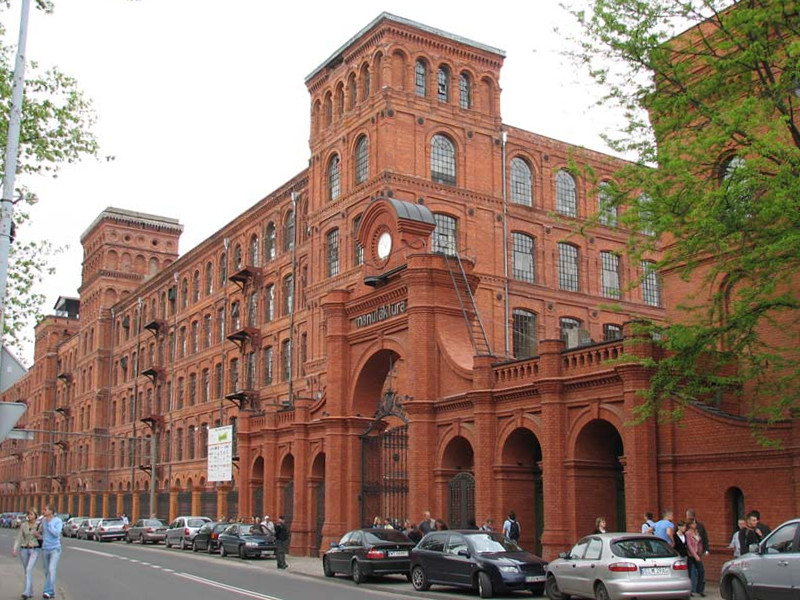
Łódź hosts notable cultural institutions, including a nationally important film school that has produced many filmmakers, and museums dedicated to cinema, textiles and modern art. The former industrial complex Manufaktura is a large example of adaptive reuse, combining retail, cultural and leisure spaces. Contemporary sectors such as services, creative industries and higher education now play a larger role in the local economy.
Notable facts and distinctions
- The city’s name also functions as a common Polish word meaning "boat."
- Łódź is known for its film and cultural festivals and a prominent film academy.
- Large industrial complexes from the 19th century form an architectural theme that the city promotes for tourism and education.
- In recent decades Łódź has pursued urban renewal to transform former factories into cultural, commercial and residential spaces.
For more general information about the city and its administrative region see the entries on Poland and the Łódź Voivodeship, and for language notes consult resources on the Polish language. Contemporary municipal leadership has overseen many redevelopment efforts in the early 21st century, including public‑private projects to preserve industrial heritage while attracting new economic activity.
Related articles
Author
AlegsaOnline.com Łódź, Poland Leandro Alegsa
URL: https://en.alegsaonline.com/art/71984