
Henry Hudson
English navigator and explorer (c.1565–1611) whose voyages in the early 1600s mapped the Hudson River and Hudson Bay and helped shape European claims in northeastern North America.
Henry Hudson (born c.1565; disappeared June 1611) was an English mariner and navigator who led several early 17th-century voyages seeking a navigable passage to Asia. Although he never found a direct water route to China, his expeditions produced important geographic knowledge: most notably the watercourses that now bear his name, the Hudson River and the Hudson Bay, and detailed reports of parts of North America.
Image gallery
6 Images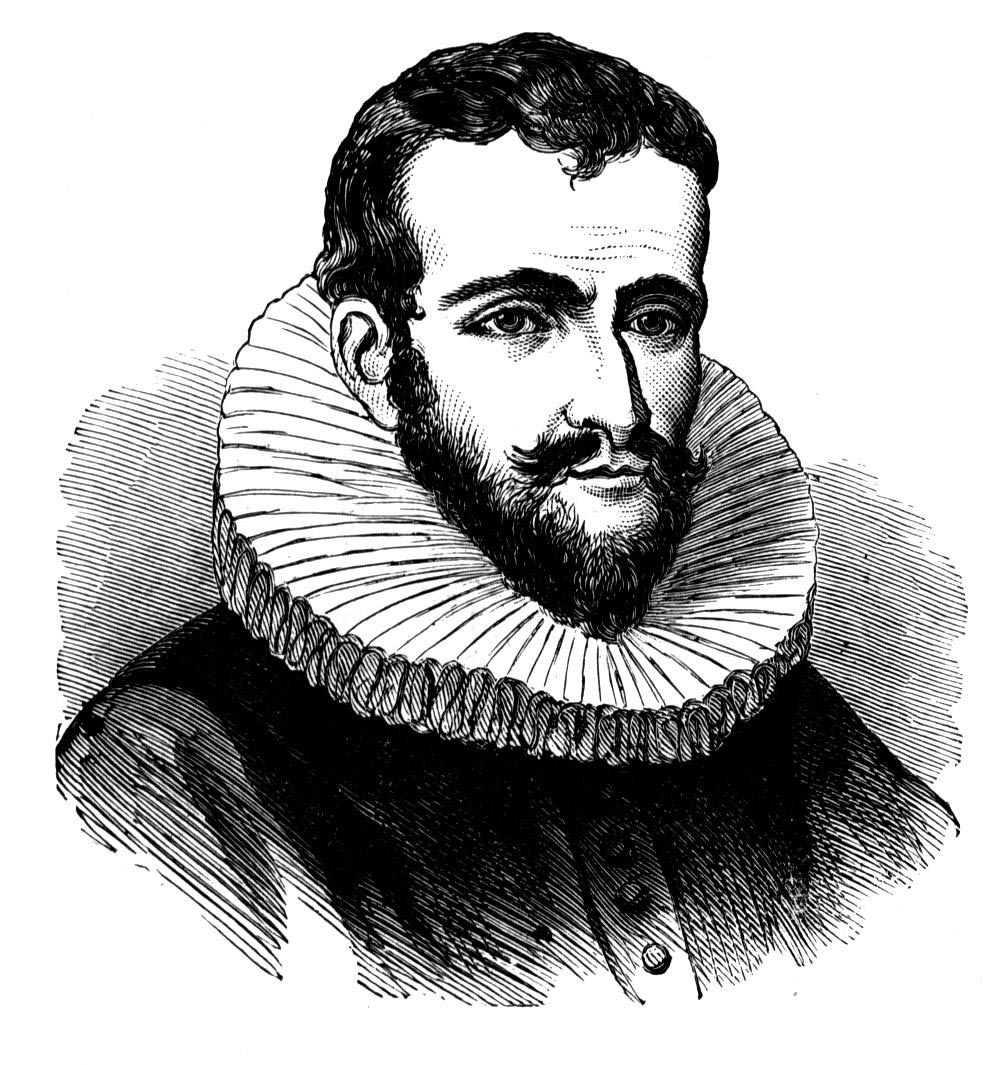


Voyages and discoveries
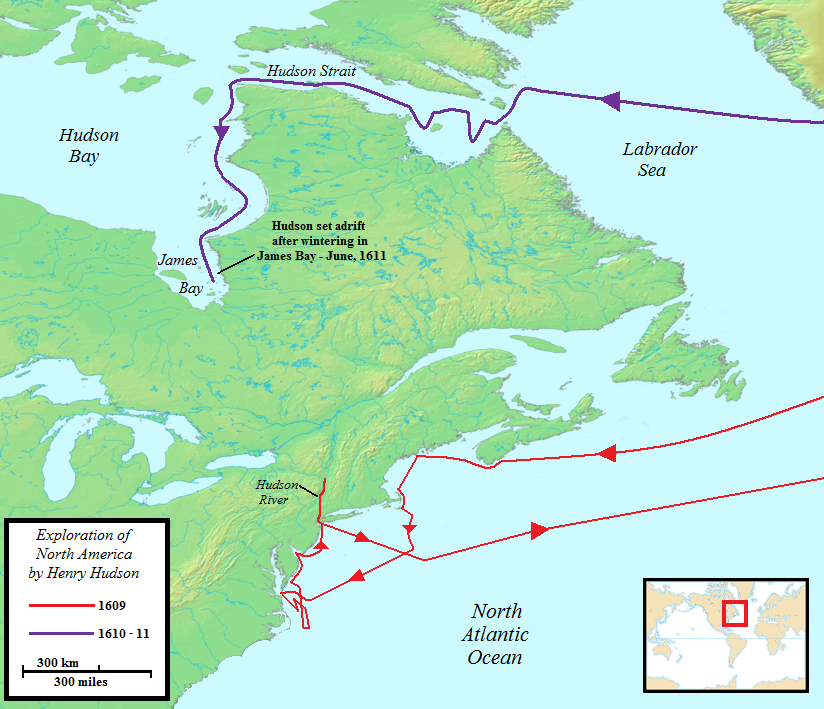
Hudson made multiple voyages under different sponsors. He pursued both northeast and northwest routes to the riches of East Asia. His best known journeys include a 1609 voyage in the service of the Dutch that explored the river now called the Hudson and a 1610–1611 expedition that penetrated far into the northern inland sea later named Hudson Bay. These journeys combined exploration, charting, and attempts to establish commercial opportunities.
- Early attempts: Hudson undertook voyages in the first decade of the 1600s aimed at finding a short passage to Asia. He alternated employers and routes as sponsors and national interests changed.
- 1609 (Dutch voyage): Sailing on behalf of Dutch merchants, Hudson sailed along the North American coast and ascended the river that would later be central to Dutch colonial commerce and settlement.
- 1610–1611 (English-financed return): In a later voyage under English backing he explored the Arctic approaches and entered the broad bay now called Hudson Bay, wintered in the area, and charted new features before tragedy ended the mission.
Objective: the search for a route to Asia
Hudson's journeys were driven by European demand for faster maritime links with Asia. He sought a northern route — alternately framed as a northeast or northwest passage — that would permit direct access to Asian markets. On different trips he explicitly searched for a waterway to Cathay (historical name for China) and other East Asian destinations, a goal often described in contemporary and later accounts as a hunt for the search for a route to Asia or the Northwest Passage.
Disappearance and aftermath
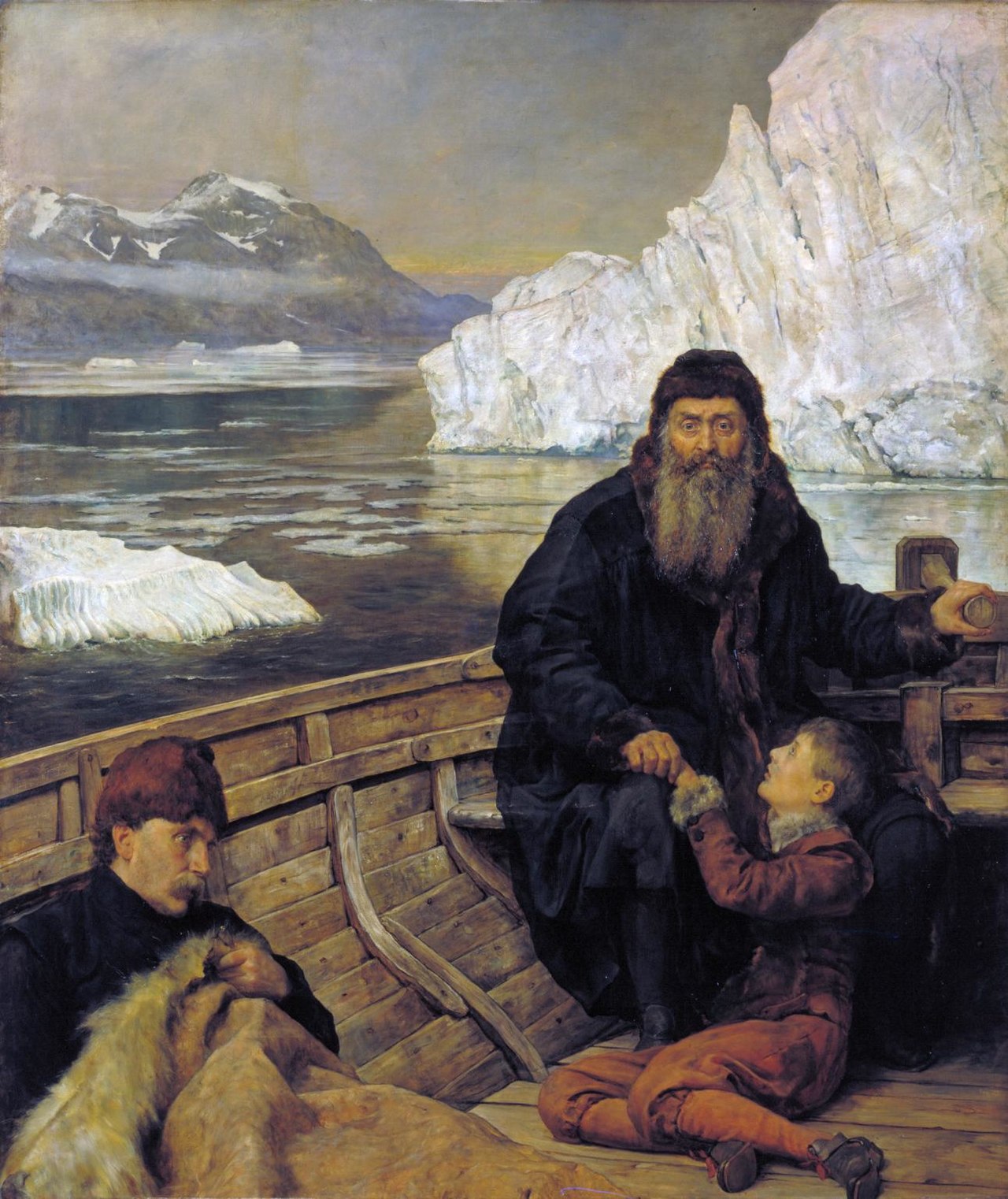
During the 1610–1611 expedition tensions between Hudson and some of his crew culminated in a mutiny in June 1611. Hudson, his teenage son, and a small number of loyal crew were set adrift in a shallop in James Bay and were never seen again. The exact fate of those left in the boat remains unknown; subsequent reports from the surviving mutineers described the abandonment as the result of conflict and dire conditions during the winter.
Hudson's charts and logs, along with the reports of other mariners and merchants, helped shape later exploration, settlement, and commercial rivalry in northeastern North America. His 1609 voyage under Dutch sponsorship laid the geographic foundation for New Netherland and the growth of New Amsterdam, while the 1610–1611 voyage expanded English and European knowledge of Arctic waters and interior bays.
Legacy and notable facts
- Namesakes: multiple geographic features and later institutions are named after him—most prominently the Hudson River and Hudson Bay.
- Cartography: Hudson's charts improved European understanding of the North Atlantic and northeastern North America, even though the hoped-for passage to Asia remained elusive.
- Ambiguity of origins: details of Hudson's early life remain sparse; many accounts describe him as experienced in northerly navigation and competent in long, high-risk voyages.
- Historical impact: his expeditions unintentionally facilitated colonization and trade patterns that shaped later Anglo-Dutch rivalry in the region.
For further reading on Hudson's life, voyages, and the historical context of his exploration see contemporary summaries and specialized studies that examine his logs, the circumstances of the mutiny, and the geopolitical consequences of his discoveries. Primary and secondary sources vary in emphasis, so cross-referencing multiple accounts provides the most reliable picture of his career and legacy.
More about Hudson's nationality and background | Hudson River details | North American exploration | Dutch sponsorship | Search for a route to Asia | Northwest Passage concept
Related articles
Author
AlegsaOnline.com Henry Hudson Leandro Alegsa
URL: https://en.alegsaonline.com/art/43584
Sources
- biography.com : "Henry Hudson" · archive.org