
Henry II of France (1519–1559): Valois monarch and wartime ruler
King of France from 1547 to 1559, Henry II of the Valois dynasty continued the Italian Wars, enforced anti‑Protestant measures, patronized the arts, and died after a jousting accident, leaving a turbulent legacy.
Overview
Henry II of France was born on March 31 in 1519 as a member of the Valois royal house. He became king after the death of his father and was crowned at Rheims on July 25, 1547. His reign lasted until his death on July 10, 1559, and was shaped by ongoing continental rivalry, religious tensions, and court politics.
Image gallery
10 Images
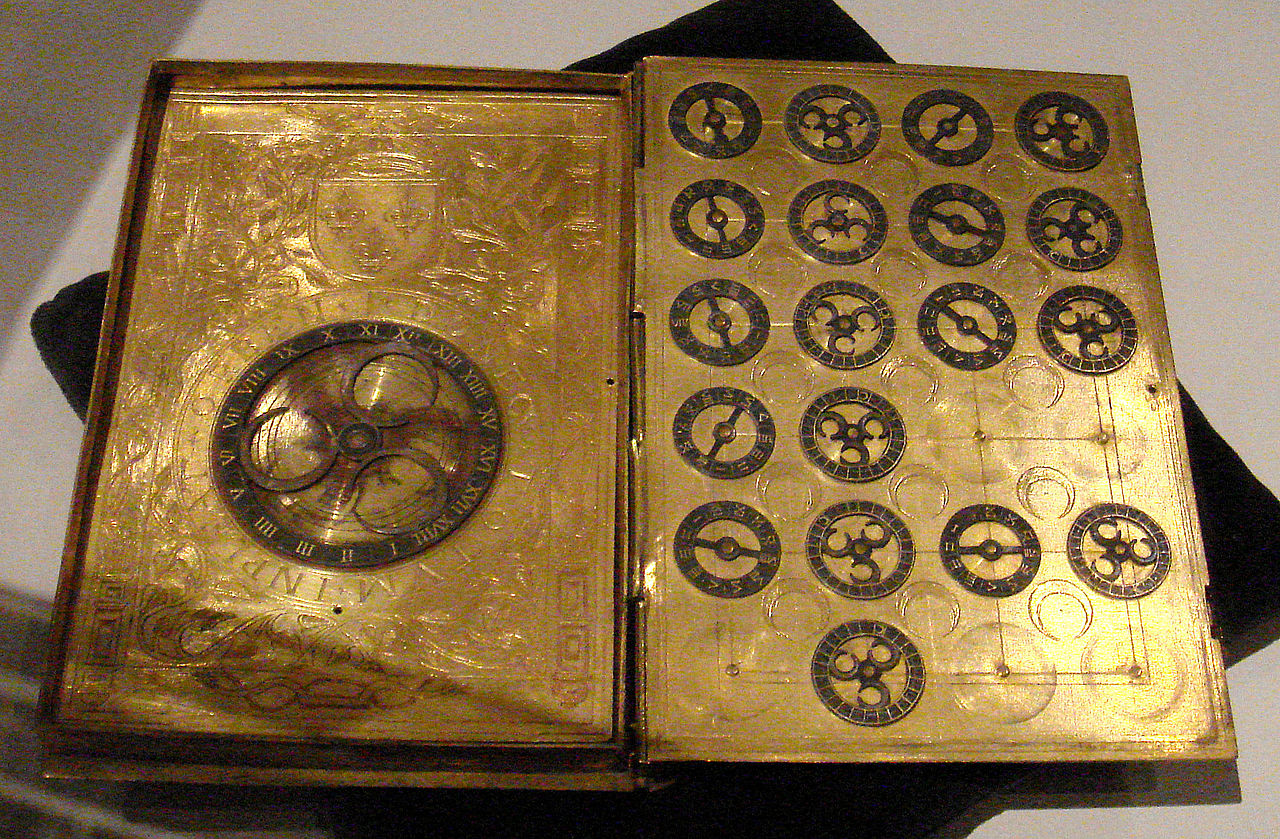


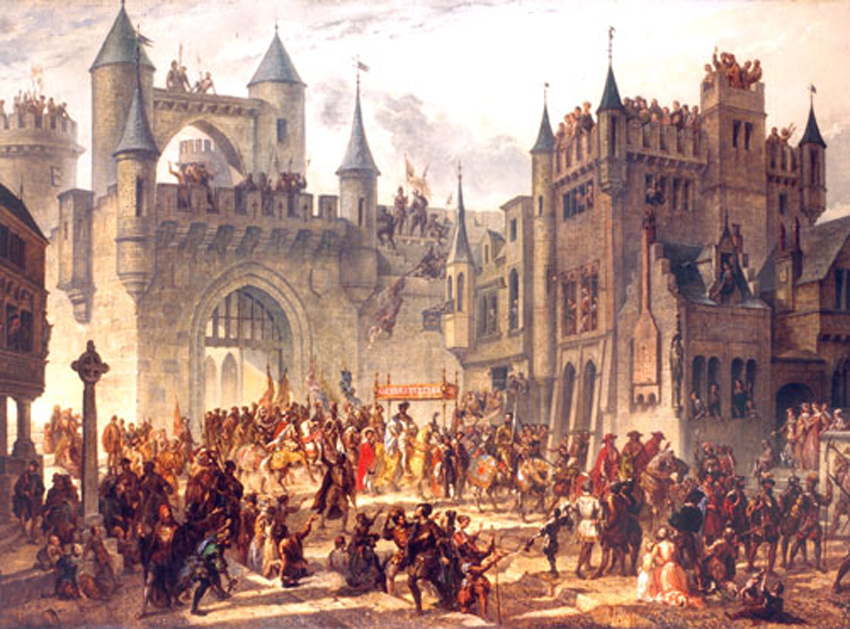
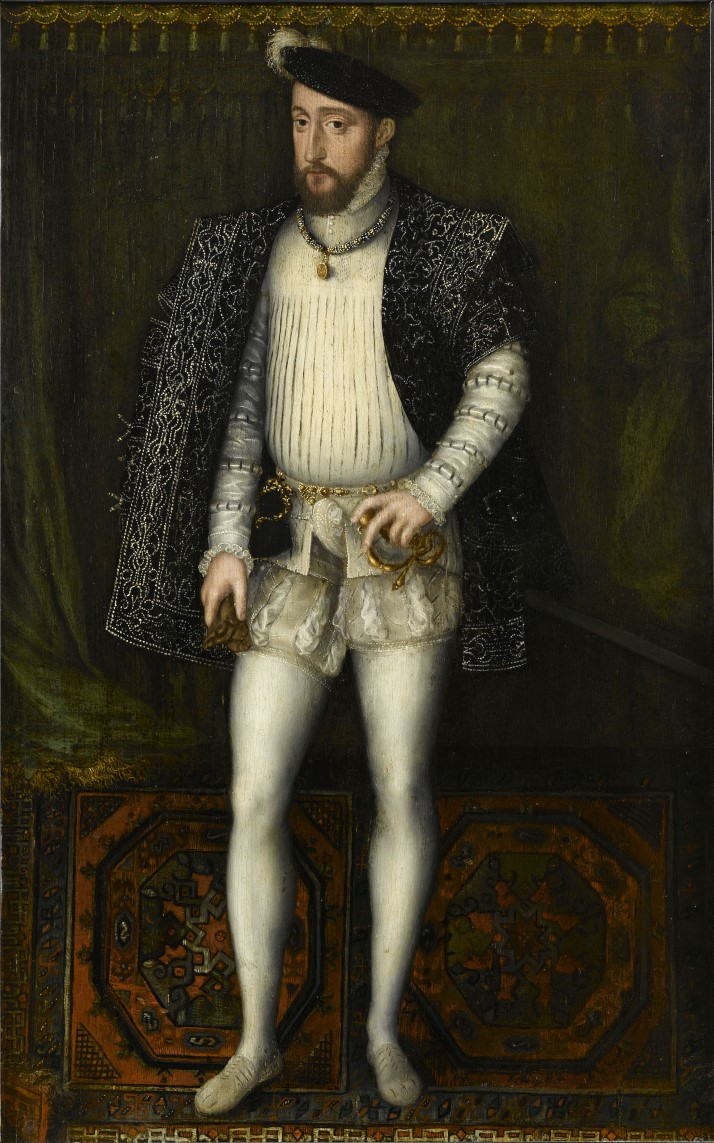
Reign, government and court
Henry II maintained strong royal authority and relied on a circle of trusted advisers and nobles. He continued administrative and financial practices begun under his father, combining direct royal involvement with delegation to ministers. The king promoted courtly culture and architecture and supported artists and builders, which reinforced monarchical prestige.
Foreign policy and war
Foreign affairs dominated much of Henry's rule. He pressed French claims in Italy and fought the Habsburgs in a series of campaigns that formed part of the long Italian Wars. Military pressure and diplomacy culminated in negotiated settlements shortly before his death, which reshaped French influence in Europe.
Religion and law
The rise of Protestant movements in France posed a serious challenge during his reign. Henry and his government responded with increasingly severe legal measures against heresy and stronger enforcement by royal courts. These actions intensified confessional divisions that later contributed to the French Wars of Religion.
Personal life and death
Henry married Catherine de' Medici and fathered children who would figure prominently in later decades, including successors to the throne. His death followed a tournament injury: the king was wounded during a joust, an accident that abruptly ended his rule and altered the political balance at court.
Legacy and notable facts
- He was a Valois monarch whose policies shaped mid‑16th century France.
- His military campaigns extended Crown commitments abroad and strained resources.
- His actions against Protestantism deepened divisions that erupted after his death.
- Patron of the arts and courtly life; his sudden death brought a swift succession and a fragile political situation.
For further study see contemporary chronicles and modern syntheses of 16th‑century France for a fuller account of Henry II's policies, family, and the long‑term consequences of his reign.
Related articles
Author
AlegsaOnline.com Henry II of France (1519–1559): Valois monarch and wartime ruler Leandro Alegsa
URL: https://en.alegsaonline.com/art/43588