
Henry IV Probus — Silesian Duke and High Duke of Kraków (c.1258–1290)
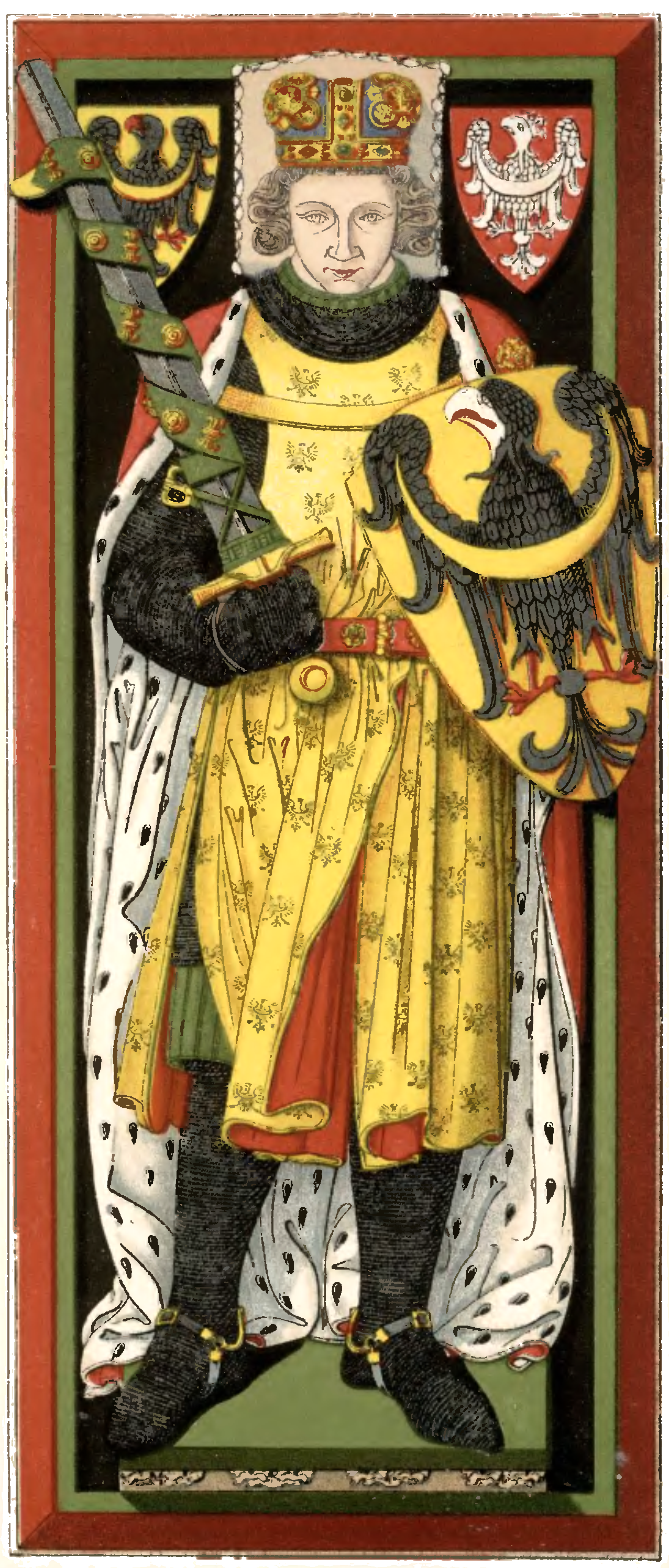
Silesian Piast ruler of Wrocław (from 1266) who became High Duke of the Seniorate Province of Kraków (1288–1290). Known as Probus (“the Righteous”), he sought to strengthen his rule and seniorate claims.
Overview
Henry IV Probus (Latin epithet Probus, Polish Henryk IV Prawy, German Heinrich IV der Gerechte) (c. 1258 – 23 June 1290) was a member of the Silesian branch of the Piast dynasty. He ruled the duchy of Wrocław in Lower Silesia from 1266 and, after a series of regional struggles, held the seniorate province centered on Kraków from 1288 until his death. His sobriquet suggests a contemporary reputation for justice or virtue, though later historians interpret it within the political and religious language of the age.
Image gallery
6 Images



Origins and early rule
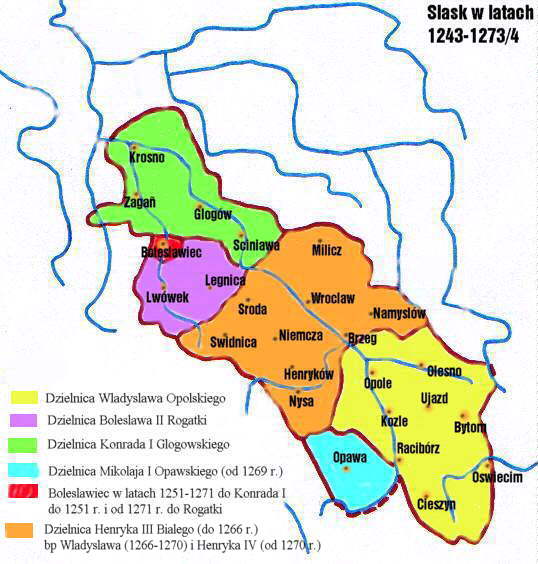
Henry was the only son of Henry III the White, Duke of Wrocław, and his first wife Judith, a daughter of Konrad I of Masovia. Succeeding as duke while still a minor, his early years were shaped by regency, local magnates, and the prevailing trend among Silesian rulers to consolidate territorial control by confirming town charters and legal privileges. Wrocław remained his principal seat and base of power during his life.
Titles, claims, and the seniorate
- Duke of Wrocław (from 1266)
- High Duke of the Seniorate Province of Kraków (1288–1290)
Control of Kraków was the key to the seniorate system, the medieval Polish arrangement that gave a pre-eminent duke a degree of overlordship. Henry IV obtained the seniorate under contentious circumstances and sought to strengthen his position among competing Piast relatives and neighbouring rulers. He entertained ambitions for recognition beyond ducal rank and made diplomatic efforts that aimed at wider authority in Poland, but died before any lasting settlement or coronation was achieved.
Policies and legacy
Like many Silesian princes of the period, Henry IV encouraged urban growth, promoted the granting and confirmation of municipal law, and relied on a mixture of local nobility, clergy, and burghers to govern his domains. He fostered the economic and administrative development typical of late 13th-century Silesia and sought to use Kraków’s seniorate as a platform for greater influence. His premature death in 1290, without a universally accepted successor, reopened rivalries among Piast dukes and contributed to continuing fragmentation and foreign interventions in Polish affairs.
Family and succession
Henry’s parentage linked him to other important Piast lines: his mother Judith connected him to Masovian interests while his paternal line tied him to Silesian politics. He left no clear, uncontested heir to the seniorate; after his death, competing Piast claimants and neighbouring rulers contested control of Kraków, shaping the political landscape of Poland for the following decades.
For further reading on the duchy and regional context, see resources about Wrocław and Kraków: Wrocław and Kraków.
Related articles
Author
AlegsaOnline.com Henry IV Probus — Silesian Duke and High Duke of Kraków (c.1258–1290) Leandro Alegsa
URL: https://en.alegsaonline.com/art/43591