
Henry James: Anglo‑American Novelist and Architect of Psychological Realism
Henry James (1843–1916) was an Anglo‑American novelist and critic noted for psychological realism, experimental narrative techniques, and major works including The Portrait of a Lady and The Turn of the Screw.
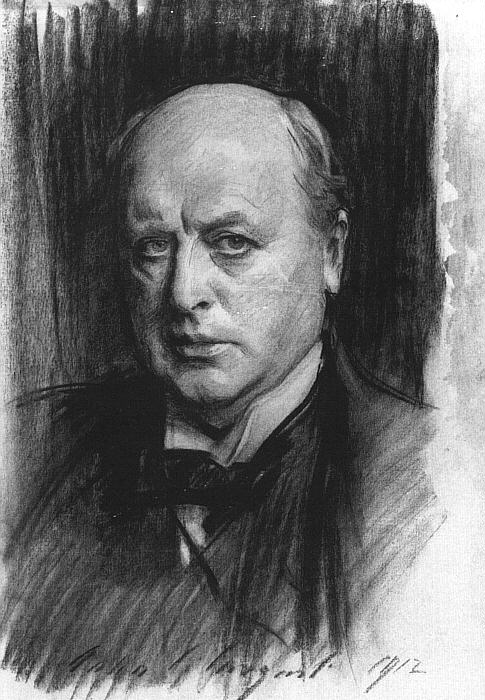
Henry James (1843–1916) was an Anglo‑American writer whose fiction and criticism reshaped the novel in the late 19th and early 20th centuries. Born in the United States into a cultured family, he spent much of his life in Europe and adopted British citizenship late in life. His literary reputation rests on a body of novels, novellas and short stories that explore consciousness, perception and social encounter; he is often discussed in surveys of late 19th‑century literature.
Image gallery
10 Images


Life and career
James grew up in a prominent intellectual household: his father, Henry James Sr., was a religious thinker and his siblings included the philosopher and psychologist William James and the writer Alice James. After early travel and exposure to European society he settled for long periods in England and France. Near the end of his life he accepted British nationality and was recognized by honors such as the Order of Merit; his final years continued to combine fiction, drama and criticism. For a concise biographical outline see biographical resources.
Style and themes
James advanced psychological realism by placing interior experience at the center of narrative. His work is known for subtle point‑of‑view shifts, dense sentences and attention to social nuance. He probed moral ambiguity, consciousness and the limits of knowledge: readers often confront unreliable or limited perspectives and must infer motives from dialogue and behavior. Critics highlight his experiments in focalization and narrative distance as a bridge toward modernist techniques.
Major works and forms
James wrote in many forms: long novels, shorter novellas and critical essays. Among the best known are The Portrait of a Lady, which examines an American woman's encounter with European society; Daisy Miller, a novella about cultural misunderstanding; The Turn of the Screw, a famously ambiguous ghost story; and later novels such as The Wings of the Dove, The Ambassadors and The Golden Bowl. He also produced influential shorter pieces like The Aspern Papers and travel writing. Readers looking for authoritative editions and commentaries can consult critical editions.
Influence and reception
James's emphasis on consciousness and narrative method influenced twentieth‑century novelists and critics. Writers and scholars credit him with helping to shift fiction toward interiority and complication of point of view. His work continues to be studied for its technical innovations, ethical puzzles and portrayal of transatlantic relations. For teaching materials and further reading see research guides.
- Notable facts: Anglo‑American life, sibling ties to psychology and philosophy, and lasting impact on narrative theory.
- Reading tip: begin with shorter works like Daisy Miller or The Turn of the Screw before approaching longer late novels.
Questions and answers
Q: Who was Henry James?
A: Henry James was an Anglo-American novelist who was one of the most important literary people of the late 19th century.
Q: Where did he grow up?
A: He grew up mostly in the United States but spent the majority of his life in England.
Q: When did he become a British citizen?
A: He became a British citizen in 1915.
Q: What is his relation to William James?
A: Henry James was the brother of William James, who was a psychologist and philosopher.
Q: Who else in his family wrote?
A: His sister, Alice James, also wrote.
Q: What year was Henry born?
A: Henry James was born in 1843.
Q: When did he die?
A: He died in 1916.
Related articles
Author
AlegsaOnline.com Henry James: Anglo‑American Novelist and Architect of Psychological Realism Leandro Alegsa
URL: https://en.alegsaonline.com/art/43595