
Heavy equipment
Heavy equipment refers to powerful machines used in construction, earthmoving, mining, and similar work. They rely on hydraulics, traction, and trained operators to move material efficiently.
Heavy equipment is a broad term for powerful machines built to move earth, lift materials, shape terrain, and carry out demanding industrial tasks. The category includes vehicles and machines used in construction, mining, road building, agriculture, and some large-scale landscape projects. These machines are designed to do work that would be slow, unsafe, or impractical by hand, especially on a construction site.
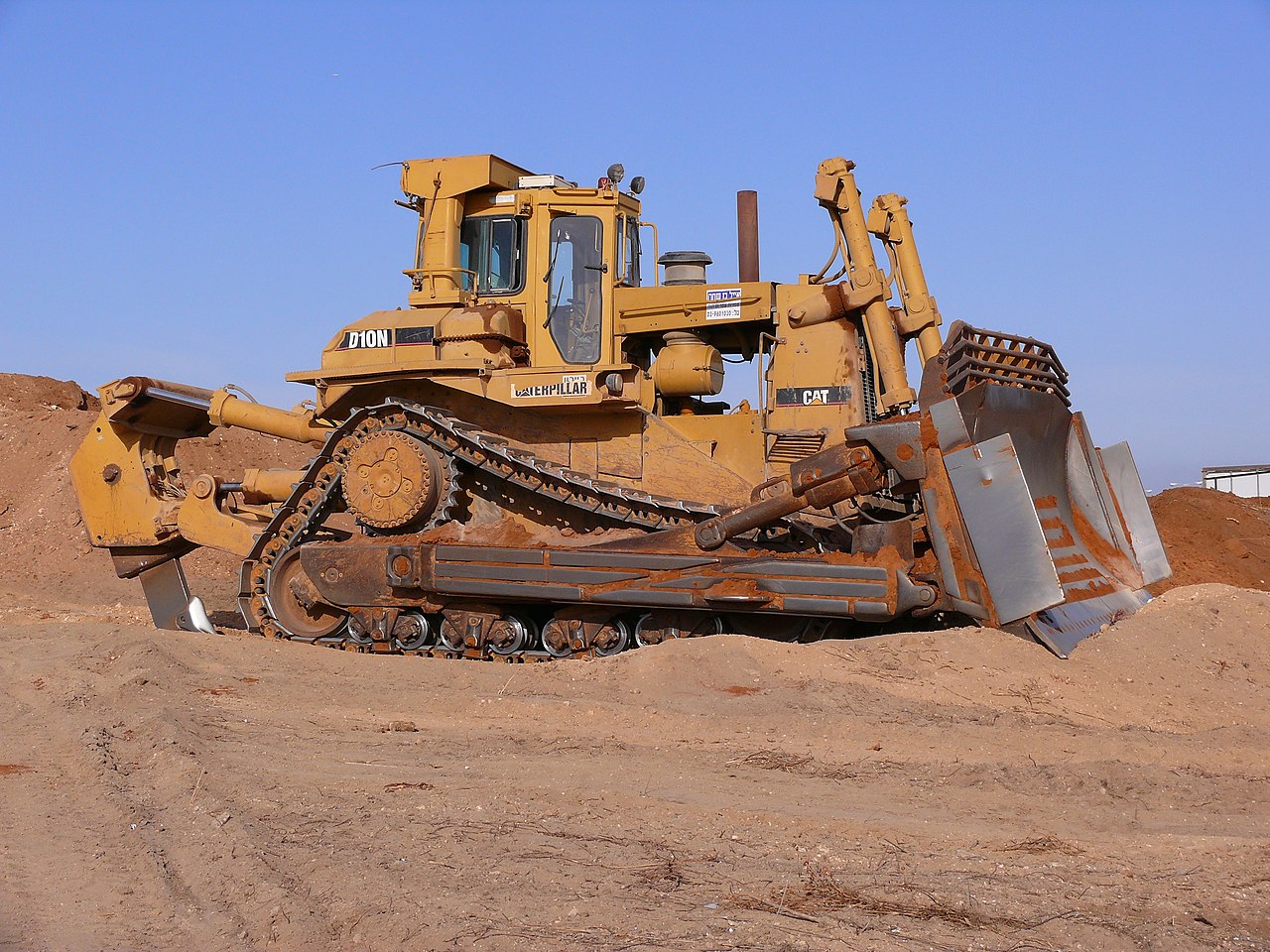
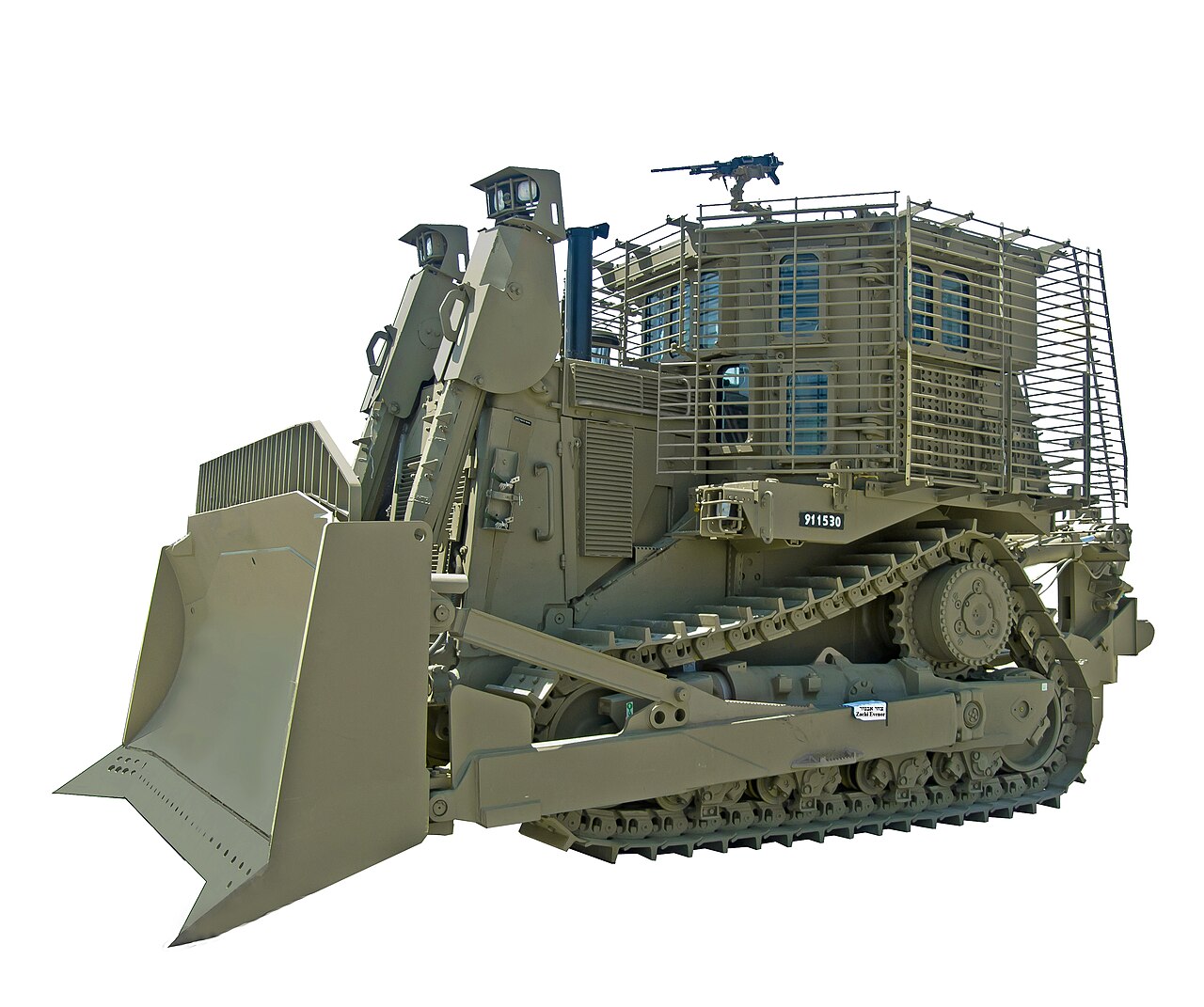
Common examples include excavators, bulldozers, wheel loaders, backhoe loaders, motor graders, cranes, dump trucks, compactors, and pavers. Many of these machines use hydraulic systems to move arms, blades, buckets, or other attachments with great force and precision. Heavy equipment also relies on the same basic mechanical ideas found in simple machines, such as leverage and pulleys, to multiply the effect of the operator’s input.
Image gallery
10 Images






How heavy equipment is built and used
Heavy equipment is usually designed around strength, stability, traction, and serviceability. Some machines ride on continuous tracks, which spread weight over a larger area and help on soft, muddy, or uneven ground. Others use large rubber tires, which are faster and easier to move on prepared surfaces. The choice between tracks and wheels affects mobility, ground pressure, fuel use, wear, and the overall cost of a project.
Most traditional heavy equipment is powered by diesel engines because they provide durable torque and can run for long hours under load. In some settings, electric and hybrid systems are becoming more common, especially where emissions, noise, or indoor operation matter. Attachments also make these machines flexible: the same base machine may use different buckets, forks, augers, breakers, or grapples depending on the task.
Typical roles on the job
- Earthmoving: digging trenches, excavating foundations, and moving soil or rock.
- Lifting and placement: setting steel, pipes, containers, or other heavy materials.
- Road work: grading, paving, compacting, and hauling aggregate.
- Material handling: loading trucks, stacking supplies, and moving bulk materials.
- Site preparation: clearing land, leveling surfaces, and shaping drainage.
Because these machines can be powerful and potentially dangerous, they are normally operated by trained workers who understand controls, ground conditions, load limits, visibility, and safe working distances. Good maintenance is equally important. Inspecting hydraulics, tires or tracks, brakes, fluids, and wear parts helps prevent downtime and reduces the risk of accidents.
Heavy equipment has become essential to modern infrastructure and industry. It allows large projects to be completed more quickly and with greater consistency than manual labor alone. In practice, the term can overlap with other labels such as construction equipment, engineering equipment, or heavy machines, but all of these point to the same basic idea: robust machines built for demanding work.
Related articles
Author
AlegsaOnline.com Heavy equipment Leandro Alegsa
URL: https://en.alegsaonline.com/art/43138