
Hoist (lifting device)
A hoist is a mechanical apparatus for raising and lowering loads using rope, chain, or cable around a drum or wheel. It can be manual, electric, or pneumatic and is used in construction, industry, and events.
Overview
A hoist is a machine designed to lift or lower a suspended load by winding a flexible medium — typically wire rope, chain, or synthetic fiber — around a drum or over a lift wheel. Loads are commonly attached with a hook or specialised lifting attachment. Hoists are intended primarily for near-vertical movement of goods, equipment or people and are found in many environments from factories and warehouses to construction sites and theatres.
Image gallery
10 Images
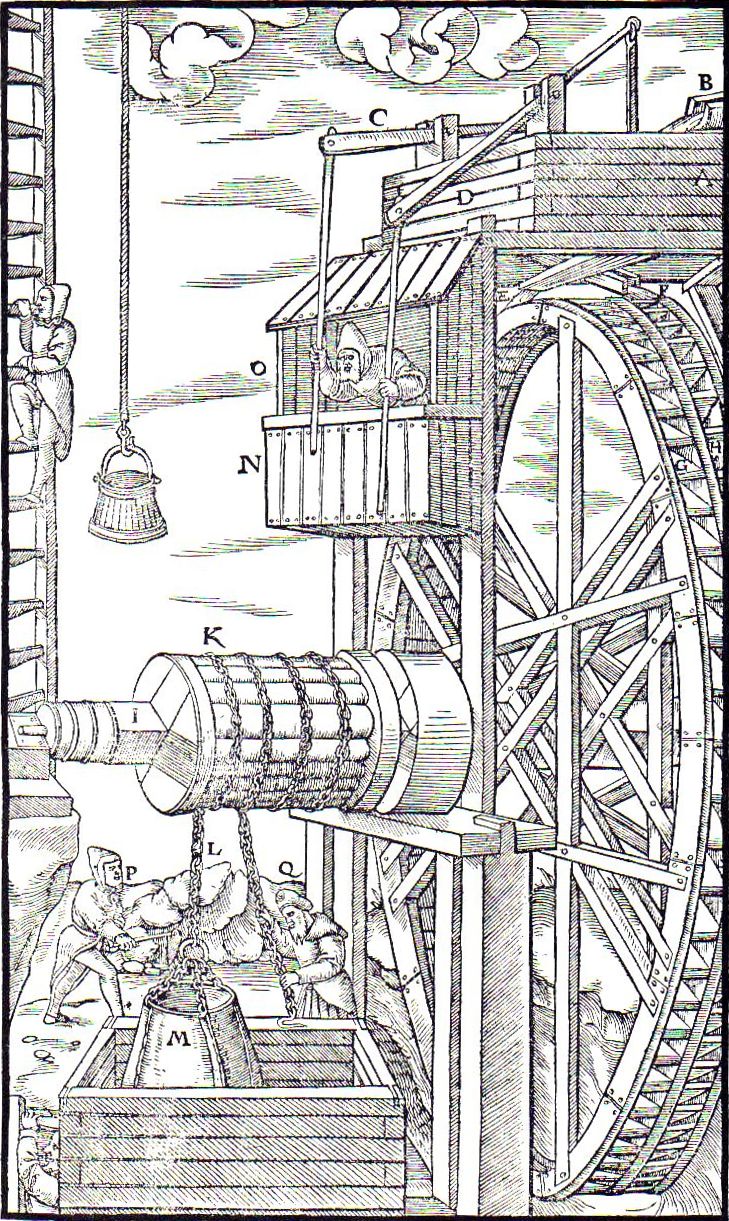


Design and main components
Basic elements of a hoist include the lifting medium, a drum or wheel, a braking system, and the structure that supports the mechanism. Hoists may be hand-operated, electrically driven, or powered by compressed air (pneumatic). Many models incorporate gearboxes to change speed and torque, limit switches to prevent over-travel, and control systems for precise operation.
- Drum or lift-wheel: where the rope or chain winds.
- Lifting medium: wire rope, chain, or synthetic rope.
- Brake and gearbox: for holding load and controlling motion.
- Hook or attachment: for connecting the load.
- Controls: pendant, wireless remote, or fixed panel.
History and development
The principle of hoisting dates to simple pulley systems used since antiquity. Block-and-tackle arrangements and winches were applied for centuries to lift heavy objects. With the Industrial Revolution came mechanised hoists: steam and later electric power allowed higher capacities and safer handling. Chain hoists and geared electric hoists became widespread in the 19th and early 20th centuries, enabling more compact, reliable lifting in industry.
Operation, types and common uses
Hoists appear in several forms: manual chain hoists and lever hoists for portable work; electric or pneumatic hoists for continuous industrial use; and specialised passenger or material hoists on construction sites. They can be fixed in place, mounted on trolleys that travel along a beam, or integrated into cranes. Typical uses include loading and unloading, assembly line handling, building site material lifts, and stage rigging in theatres.
Safety, inspection and regulation
Safe hoist operation depends on using equipment within its rated capacity, regular inspection for wear (especially of ropes and chains), functioning brakes and limit switches, and trained operators. Many jurisdictions require periodic testing and certification to national or regional standards. Devices often include emergency stop features and clear load rating markings; proper rigging and personal protective equipment are also essential.
Distinctions and notable facts
Though sometimes confused with related devices, a hoist is principally for vertical lifting, whereas a winch is commonly used to pull loads horizontally or on an incline. Hoists differ from cranes in that cranes provide broader load positioning and travel systems, while hoists are the vertical lifting mechanism that may be mounted on a crane or beam. Understanding these distinctions helps select the right equipment for a task and maintain safety and efficiency.
Questions and answers
Q: What is a hoist?
A: A hoist is a device used for lifting or lowering a load by means of a drum or lift-wheel around which rope or chain wraps.
Q: How is a hoist operated?
A: A hoist may be manually operated, electrically or pneumatically driven.
Q: What types of lifting mediums can a hoist use?
A: A hoist may use chain, fiber or wire rope as its lifting medium.
Q: How is the load attached to a hoist?
A: The load is attached to the hoist by means of a lifting hook.
Q: What is the difference between a hoist and a winch?
A: A "hoist" normally is used for lifting (near vertical) and a winch is normally used for pulling (near horizontal).
Q: Where are hoists commonly used?
A: Construction sites, especially for buildings of more than five floors in height, often employ hoists to lift workers and building materials.
Q: Can hoists be used for horizontal lifting?
A: Hoists are typically used for near-vertical lifting, but they can also be used for horizontal lifting if the load is properly attached and the hoist is designed for such use.
Related articles
Author
AlegsaOnline.com Hoist (lifting device) Leandro Alegsa
URL: https://en.alegsaonline.com/art/44697