
Hello, World! program
An introductory program that prints “Hello, World!” to demonstrate basic syntax and verify a language environment; commonly used as a first example in programming tutorials.
The "Hello, World!" program is a minimal computer program that writes a short greeting—typically "Hello, World!"—to standard output. It is widely used as the first example when learning a new programming language or when checking that a compiler, interpreter, or development environment is installed and working. Beginners use it to learn how to create, compile (when applicable), and run code; instructors use it to highlight basic syntax and program structure. For general background and introductory tutorials see beginner resources.
Image gallery
4 Images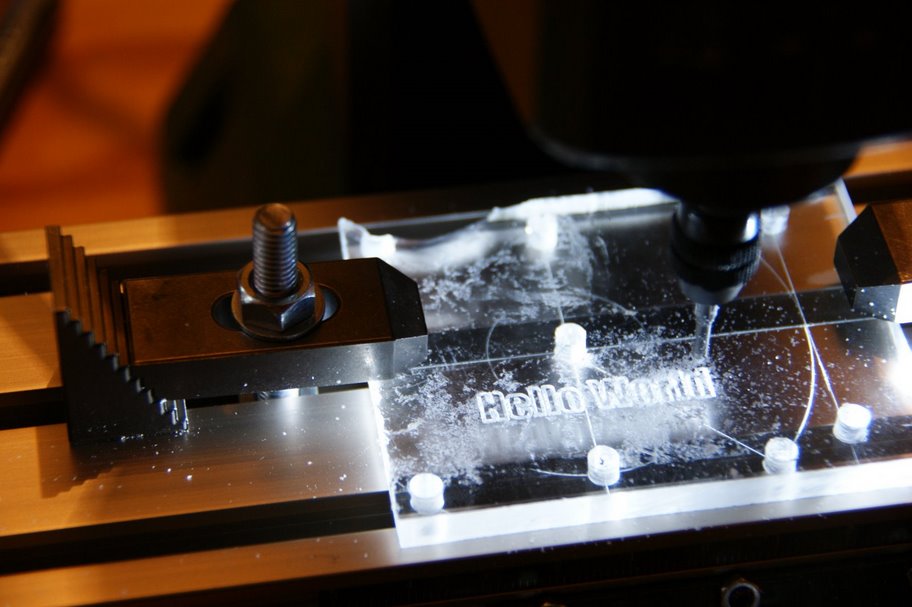


Typical characteristics
As an instructional example, a Hello World program is intentionally tiny and focused. Typical features include: minimal or no input, a single output statement, and the smallest amount of scaffolding required by the language (for example, a main function in C but none in scripting languages). It illustrates basic concepts such as string literals, output functions, statement syntax, and how the runtime handles program start and exit. Educators often contrast variations to show language idioms or required boilerplate; more on these contrasts is available at reference materials.
History and origin
The phrase and its use as a canonical example date back to the early days of high-level languages. It is generally credited to programming educators at Bell Labs; early published examples appeared in tutorials and texts in the 1970s and later gained prominence through influential books and teaching materials. Over time, "Hello, World!" became a tradition and a simple diagnostic that signals an environment is functioning properly. For historical notes and classic references see historical sources.
Common examples
Examples vary by language; the form below shows the typical minimal program in several popular languages. These snippets demonstrate differences in required setup and verbosity.
- C: #include <stdio.h> int main(void) { printf("Hello, World!\n"); return 0; }
- Python: print("Hello, World!")
- Java: public class Hello { public static void main(String[] args) { System.out.println("Hello, World!"); } }
- JavaScript: console.log('Hello, World!')
- Go: package main; import "fmt"; func main() { fmt.Println("Hello, World!") }
These examples show how languages differ: some require explicit program entry points and headers, while others run a single statement directly. For additional language-specific examples and idioms visit language guides.
Uses, importance, and variations
Beyond teaching, Hello World is practical: it verifies installation, confirms that compilers and interpreters are reachable, and checks that file encoding and output streams behave as expected. In testing, a Hello World run can detect simple configuration errors before attempting larger projects. Variations include different greetings, printing to alternate streams (stderr), or demonstrating Unicode and localization by printing non-ASCII text. Community and culture have also adopted the phrase as shorthand for a minimal working example in documentation and discussion forums; more examples and community notes can be found at further reading.
Notable distinctions
While trivial, Hello World highlights several teaching points: how errors are reported, whether a language requires explicit compilation, and how much ceremony is needed to produce output. It is also a useful benchmark when comparing language expressiveness and verbosity. Because it is so portable and recognizable, Hello World remains the de facto starter program for programmers and educators worldwide.
Questions and answers
Q: What is a Hello World program?
A: A Hello World program is a program made by computer programmers that are new to a programming language, or to test if the compiler for this language is working correctly. It will simply put the text Hello, World! on the screen.
Q: What is the purpose of a Hello World program?
A: The purpose of a Hello World program is to ensure that a new programmer has properly installed and set up their coding environment.
Q: Which programming language can a Hello World program be written in?
A: A Hello World program can be written in any programming language.
Q: Can a Hello World program be used for anything besides testing a programming language?
A: No, a Hello World program is usually only used for testing purposes.
Q: What is the output of a Hello World program?
A: The output of a Hello World program is the text "Hello, World!"
Q: What is the code for a Hello World program in the C++ programming language?
A: The code for a Hello World program in the C++ programming language is:
#include
int main() {
std::cout << “Hello World” << std::endl;
return 0;
}
Q: What is the code for a Hello World program in the Julia programming language?
A: The code for a Hello World program in the Julia programming language is: println("Hello, World!")
Related articles
Author
AlegsaOnline.com Hello, World! program Leandro Alegsa
URL: https://en.alegsaonline.com/art/43399