
Helicopter rotor: function, types, components and history
Rotors are the rotating lifting surfaces of helicopters. This article explains how they work, main parts, rotor arrangements, control systems, historical development and operational importance.
A helicopter rotor is the rotating assembly that produces the aerodynamic forces enabling a helicopter to hover, climb and maneuver. In a conventional design the main rotor provides vertical lift while a separate tail rotor or other anti-torque system counters the fuselage yaw. The basic role of a rotor—converting engine power into lift—is central to all rotary-wing aircraft, and the term is often used broadly to mean either the complete rotor system or an individual blade assembly. For a concise technical overview see helicopter rotor references.
Image gallery
10 Images


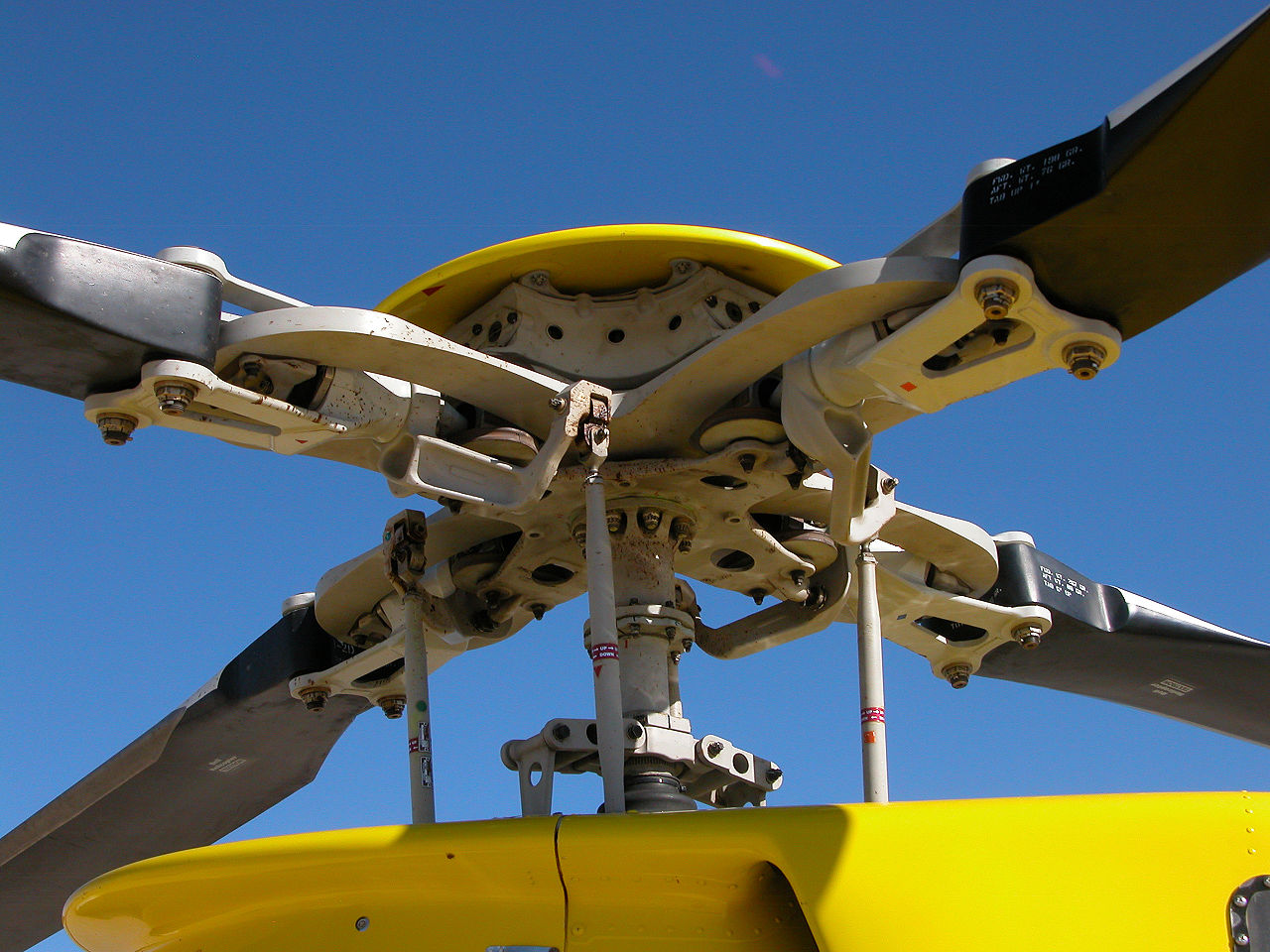


Key components and how they function
Typical elements include rotor blades, the hub that joins them, the swashplate and pitch links that change blade angle, and the mast that transmits drive from the engine. Blade pitch is varied collectively to change total lift and cyclically to tilt the rotor disk for directional control. The hub design allows blades to flap, lead/lag or remain rigid depending on the rotor type.
Types and arrangements
- Main rotor and tail rotor (single-rotor helicopters)
- Coaxial rotors: two counter-rotating mains stacked on the same axis
- Tandem rotors: two large rotors mounted fore and aft
- Intermeshing rotors and enclosed fan-in-fin designs (fenestron), and NOTAR (no tail rotor) systems
Each arrangement balances lift, control complexity and compactness for different roles—from transport to shipboard operations.
History and development
Rotors evolved from early rotorcraft experiments and autogyros into practical helicopters in the 20th century. Innovations in aerodynamics, materials (notably composite blades), and hub technology have steadily improved performance, efficiency and safety, enabling modern helicopters to operate in demanding military, emergency and civilian missions.
Understanding rotor behavior—stall, retreating blade effects, dissymmetry of lift and autorotation capability—is essential for design and safe flight operations. The rotor remains the defining feature of helicopter flight, combining mechanical complexity with critical aerodynamic function.
Related articles
Author
AlegsaOnline.com Helicopter rotor: function, types, components and history Leandro Alegsa
URL: https://en.alegsaonline.com/art/43355