
Helipad (helicopter landing pad)
A helipad is a designated landing surface for helicopters, found on ground sites, rooftops, ships and temporary locations. It includes marked touchdown areas, lighting and safety zones governed by aviation rules.
Overview
A helipad is a prepared landing area for helicopters and other vertical takeoff and landing (VTOL) aircraft. Functionally similar to a runway for fixed‑wing aircraft, a helipad provides a defined touchdown and lift‑off spot with visual markings and, where required, lighting. For general information see Helipad resources.
Image gallery
10 Images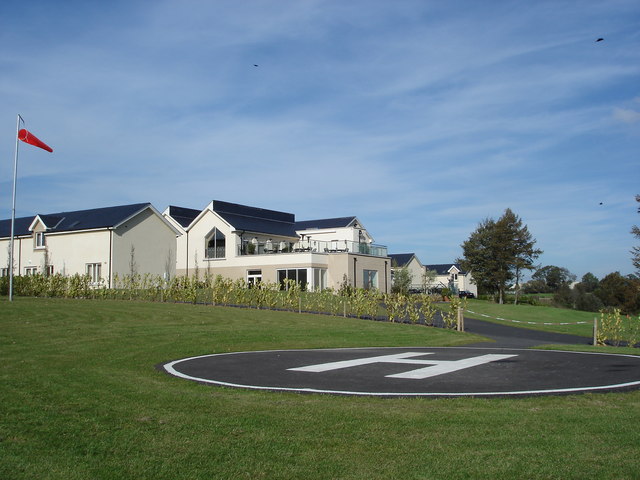


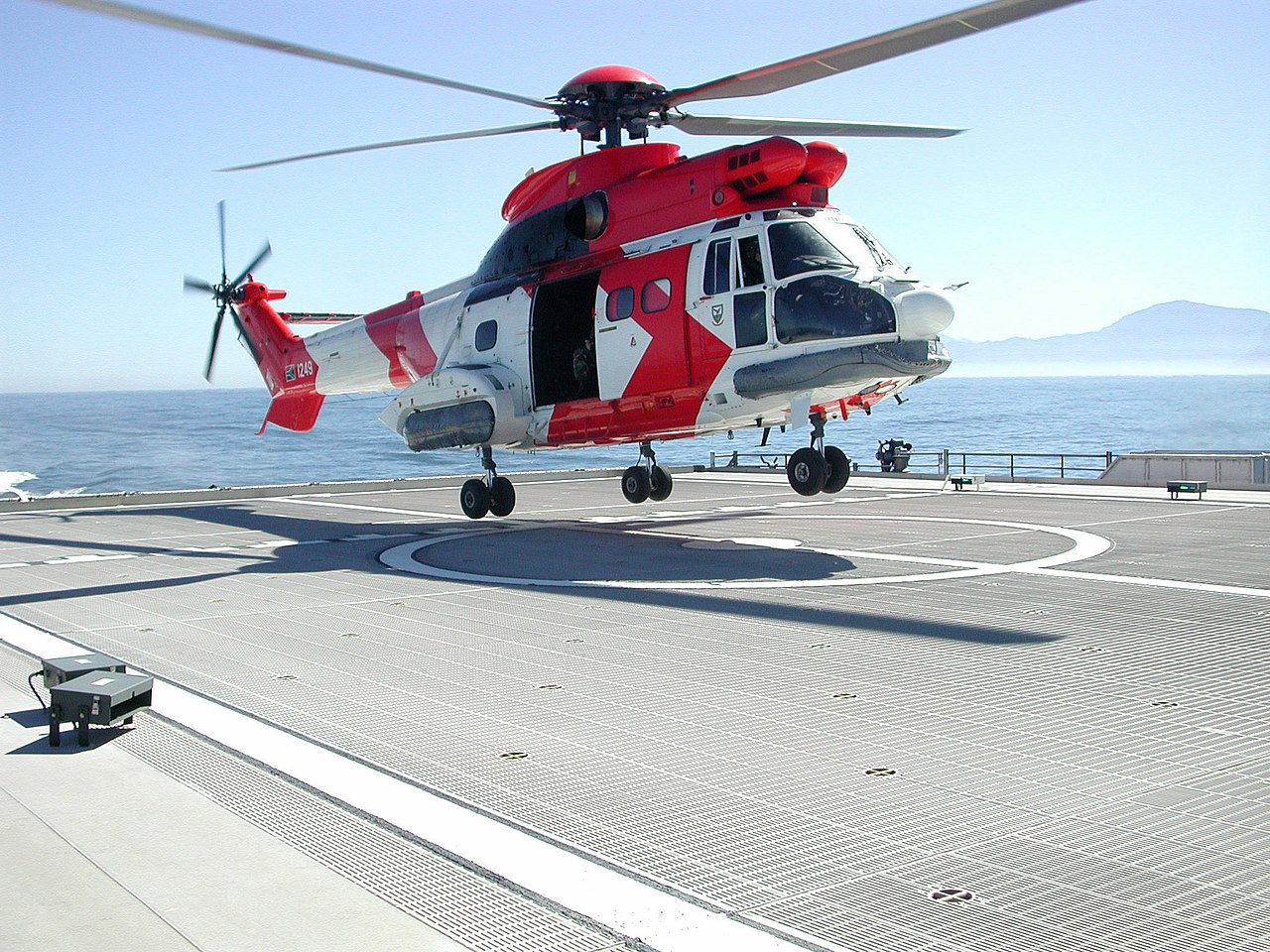

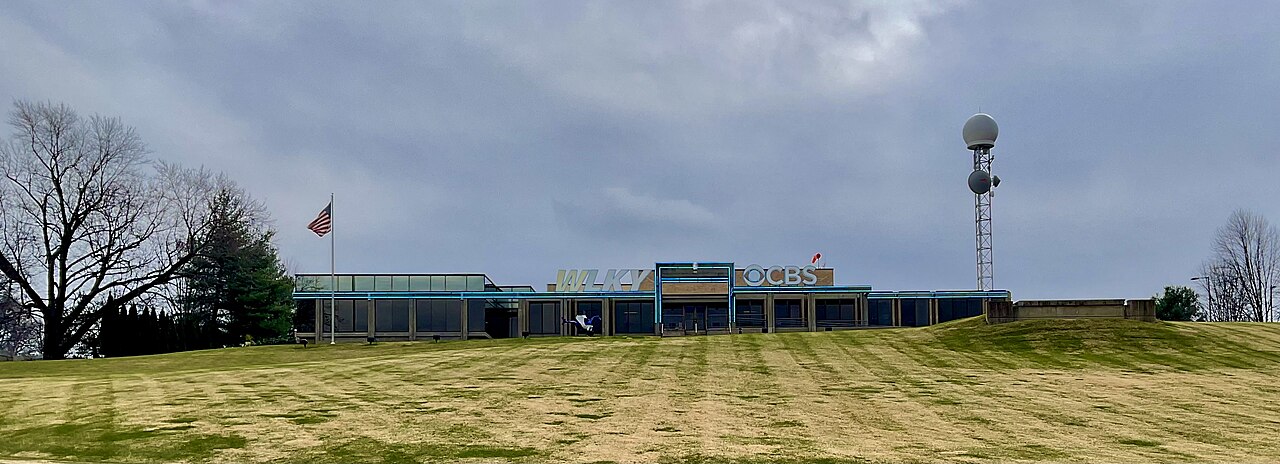


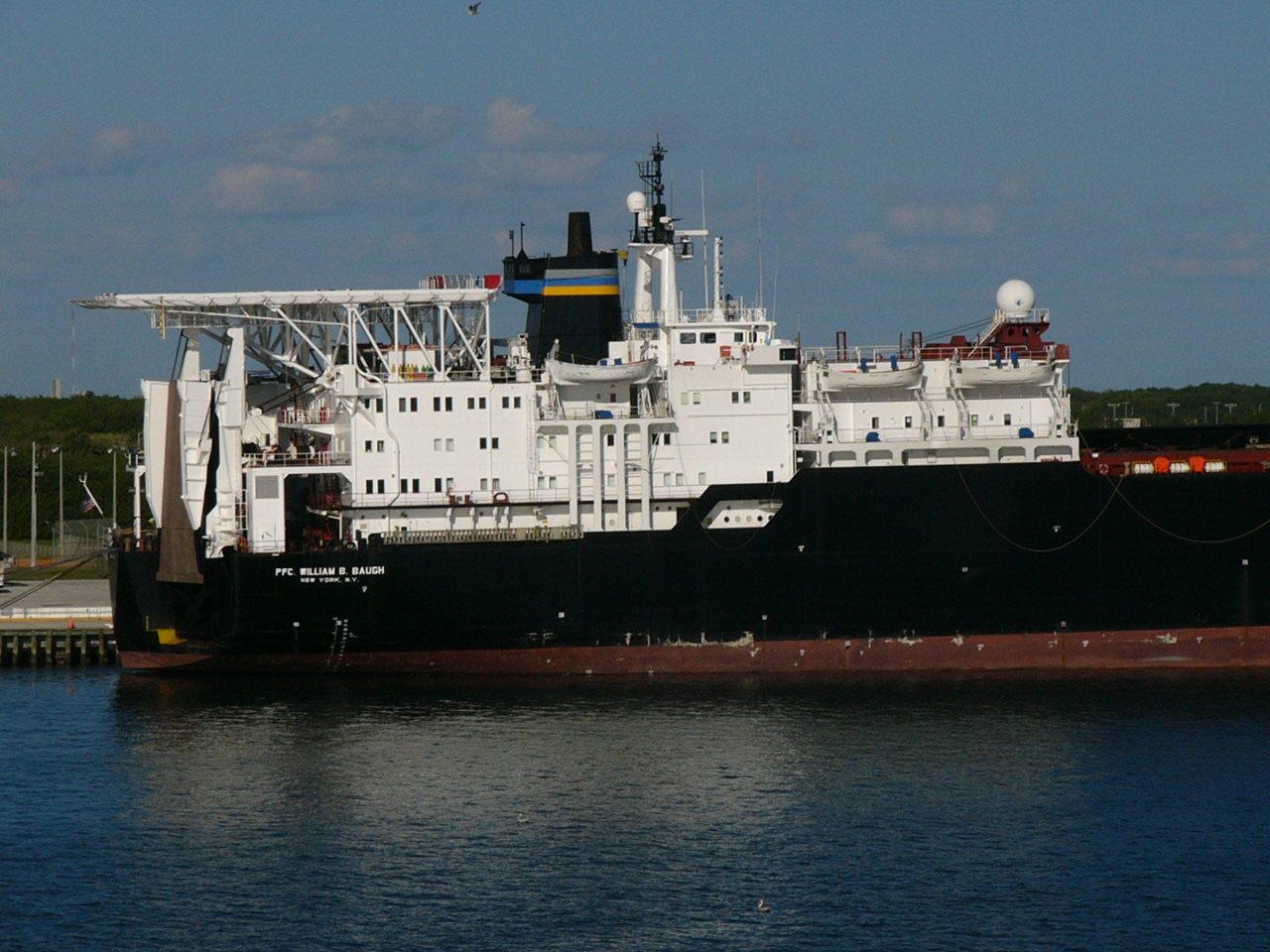
Design and key components
Common elements of a helipad include a clearly marked touchdown and lift‑off area (often abbreviated TLOF), a surrounding final approach and takeoff area (FATO), and a safety or clear zone to protect aircraft from nearby obstacles. Markings typically include an H or circle symbol and surface identification to aid pilots.
- Surface material: concrete, asphalt or steel grating (on ships).
- Load capacity: rated to support expected helicopter weights and rotors.
- Lighting and signage: perimeter, flood or obstacle lights for night or low visibility operations.
Types and common uses
Helipads appear in many settings: hospital rooftops for medical evacuation, offshore platforms and ships (often called helidecks), private estates, military bases and urban rooftops. Permanent facilities with multiple pads and support services may be called heliports or vertiports. Examples and operational guidance are covered in broader aviation materials such as related aviation links.
Safety, regulation and operations
Helipad design and operation are governed by aviation authorities and published standards that address siting, obstacle clearance, lighting, fire suppression and rescue equipment. Pilots follow specified approach and departure paths and weight limits; ground personnel maintain clear zones and check surface condition. Many jurisdictions require inspection, registration or certification for public or commercial pads.
History and notable distinctions
Helipads became common after World War II as helicopter use expanded for transport, medical evacuation and military missions. Distinctions: a helipad is any landing spot for a helicopter, a heliport offers passenger and refueling services, a helideck is the shipboard equivalent, and vertiports are being developed for higher‑capacity urban VTOL operations. Properly designed helipads remain essential for rapid access, emergency response and specialized transport.
Related articles
Author
AlegsaOnline.com Helipad (helicopter landing pad) Leandro Alegsa
URL: https://en.alegsaonline.com/art/43366