
Sensory system: how organisms detect and interpret their surroundings
Overview of the sensory system: sense organs, transduction, classical five senses, additional modalities like balance and proprioception, comparative specializations, neural processing and applications.
The sensory system is the network by which organisms gather information about the external world and the internal state of the body. Living creatures from simple invertebrates to humans rely on sensory pathways to guide behaviour, avoid danger and maintain physiological balance. In many animals animals, specialised receptor structures connect to neural circuits that interpret inputs from the environment environment and from inside the body bodies. These systems allow organisms to sense stimuli, make decisions and act.
Image gallery
6 Images



Basic components and signal flow
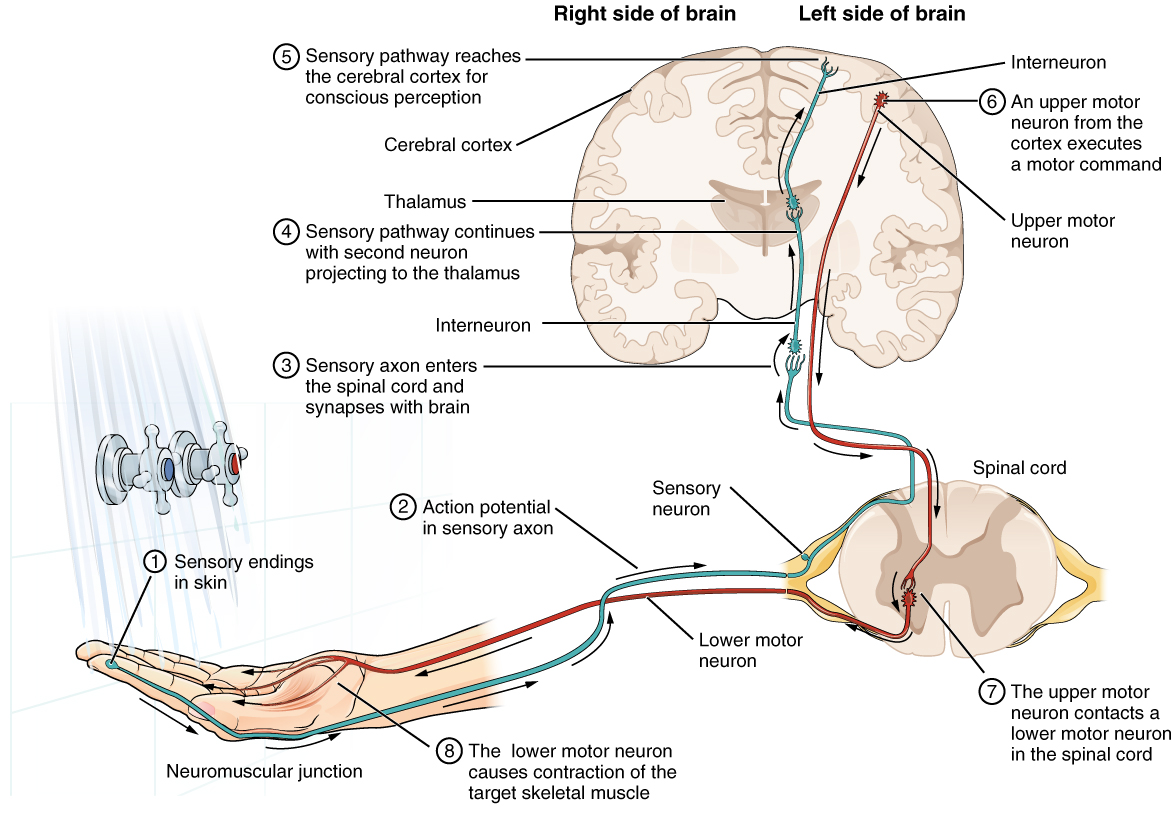
Sense organs are the anatomical devices that collect physical and chemical information; they include eyes, ears, skin, taste buds and olfactory epithelia. Sense organs sense organs act as transducers transducers, converting forms of energy energy—light, sound, mechanical force, temperature or chemical gradients—into electrical nerve activity. The process of collecting data collecting data begins with receptor activation. Receptor cells then generate signals that travel along nerve fibres nerve as action potentials or graded potentials. These signals signals are relayed to central processors such as the spinal cord, brainstem and brain brain, where they are integrated and interpreted.
Classical senses
Textbooks often list five principal senses, each associated with characteristic organs and stimulus types. These categories are useful for study though the underlying biology is more continuous:
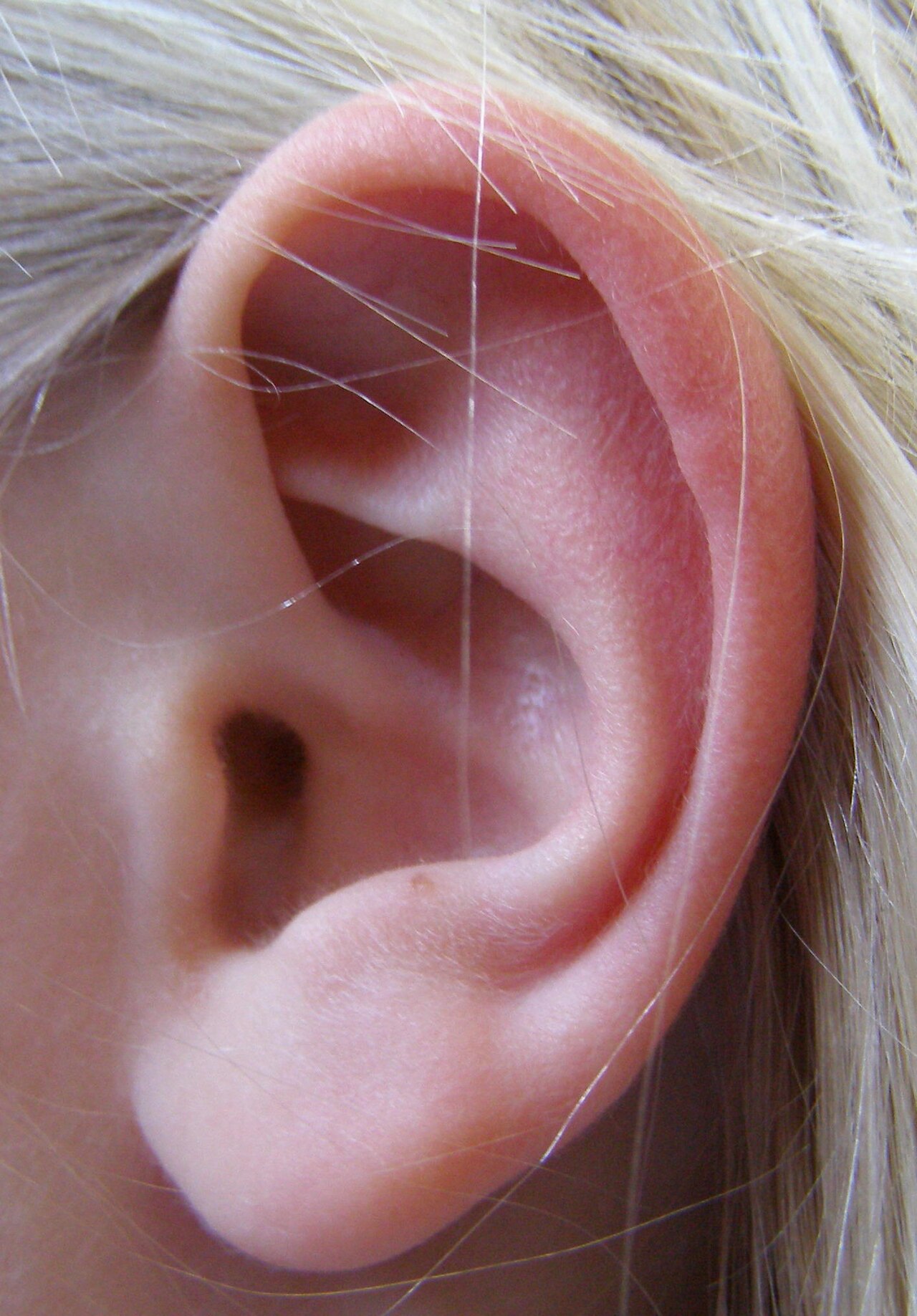
- Hearing — the perception of sound. Auditory systems detect pressure waves or vibrations Hearing and processes them as sound using the ear and related pathways; ears ears transduce mechanical energy into neural events.
- Sight — vision depends on photoreceptors that absorb light and support image formation. Eyes eyes and visual pathways provide spatial, colour and motion information Sight.
- Touch — somatosensation detects mechanical contact, pressure, vibration and temperature. Skin and deeper tissues host mechanoreceptors and thermoreceptors that mediate Touch and general feeling.
- Taste — gustation detects chemical qualities of food and drink. Taste buds on the tongue tongues respond to basic taste modalities and contribute to perception of flavor and safety Taste.
- Smell — olfaction senses airborne molecules via receptors in the nasal cavity; noses noses and olfactory systems signal many aspects of the chemical environment Smell.
Additional senses and specializations
Beyond the classical five, animals possess other important modalities. Balance, or equilibrioception equilibrioception, uses the vestibular organs to monitor head position and motion and to help maintain posture and balance. Proprioception proprioception provides continuous information about limb and body position and muscle effort, essential for coordinated movement. Aquatic vertebrates such as fish have a lateral line lateral line system that senses water movement and vibration; some species additionally detect electrical or magnetic fields. Many invertebrates have senses adapted to chemical, tactile or vibratory cues important for their ecology.
Receptor types and transduction mechanisms
Receptors can be classified by the stimulus they detect: photoreceptors (light), mechanoreceptors (pressure, stretch, vibration), chemoreceptors (taste and smell), thermoreceptors (temperature) and nociceptors (harm that produces pain). Transduction normally involves a stimulus-driven change in receptor membrane potential, release of neurotransmitter or direct generation of action potentials. The pattern, timing and rate of neural firing convey information about intensity, duration and quality of stimuli.
Neural processing and perception
Signals from sensory receptors are processed at multiple levels. Early stages perform filtering, amplification and feature detection; later stages integrate multisensory inputs and contextual information to form perception. Perception is not a simple readout of receptor activity but a constructive process shaped by attention, learning and expectation. Neural coding strategies include rate codes, temporal patterns and population codes across many neurons.
Comparative perspectives and evolution
Sensory systems evolved to match ecological niches. Predators often have acute vision or hearing for detecting prey; nocturnal animals may emphasize olfaction or hearing. Aquatic environments favour pressure- and electro-sensing in some taxa. Across evolution, simple receptor cells and nerve nets gave rise to complex sense organs and central processing centers. Comparative study reveals both conserved mechanisms and remarkable specialisations.
Clinical relevance and applications
Dysfunction of sensory systems underlies many medical conditions: hearing loss, blindness, neuropathies and vestibular disorders affect quality of life. Understanding sensory biology drives therapies such as cochlear implants, retinal prostheses and rehabilitation strategies. Research in sensory processing also informs robotics, artificial sensors and human–machine interfaces.
Research methods and further reading
Investigations use anatomy, electrophysiology, imaging, behavioural assays and molecular tools. For introductions and overviews consult general sources on sensory biology overview, comparative treatments comparisons, and experimental literature research. Reviews reviews, textbooks textbooks and receptor databases databases provide deeper detail. Introductory guides on physiology physiology, neural coding neural and systems neuroscience systems help bridge basic concepts to applications applications. For focused topics, see resources on auditory systems auditory and sound, ear anatomy ear anatomy, visual biology vision and eyes eye biology, somatosensation somatosensation and tactile receptors tactile, gustation and taste receptors gustation taste receptors and tongue physiology tongue, olfaction and nasal anatomy olfaction nasal, vestibular science and balance control vestibular posture, proprioceptive mechanisms proprioceptive, and aquatic sensing such as the lateral line lateral line. These avenues support both general understanding and specialist study of sensory systems.
Questions and answers
Q: What is the sensory system?
A: The sensory system is the way animals find out about their nearby environment and their bodies. It uses special devices called sense organs to collect data, which are then processed by the brain.
Q: What are the five senses?
A: The five senses are hearing, sight, touch, taste, and smell.
Q: How do ears hear sound?
A: Ears hear sound through a process of transduction where energy from outside or inside of the body is turned into nerve signals that can be interpreted as sound.
Q: How do eyes see?
A: Eyes see by collecting light particles and converting them into electrical signals that can be interpreted by the brain.
Q: How does one sense balance and movement?
A: Balance and movement can be sensed through equilibrioception which checks our balance, and proprioception which is the sense of relative position of one's own parts of the body and strength of effort being employed in movement.
Q: What special sense do fish have that land animals don't?
A: Fish have a special sense called the lateral line system which senses movement and vibration in water pressure as well as other functions. Some fish can also sense patterns of electrical current in water.
Related articles
Author
AlegsaOnline.com Sensory system: how organisms detect and interpret their surroundings Leandro Alegsa
URL: https://en.alegsaonline.com/art/88868
Sources
- dx.doi.org : "Kinesthetic Senses"