
Hay: dried forage for animal feed, storage, and common uses
Hay is grass and other plants cut, dried, and stored as feed and bedding. This article explains types, production, storage, uses, quality factors, and how hay differs from straw and silage.
Overview
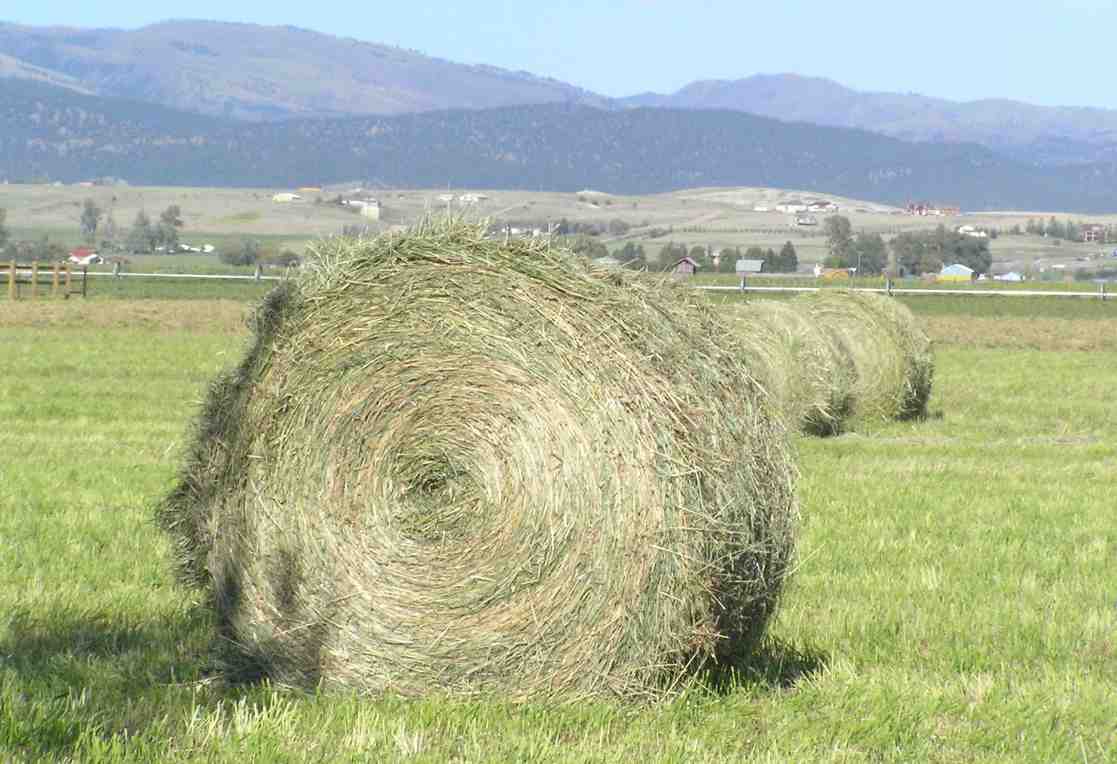
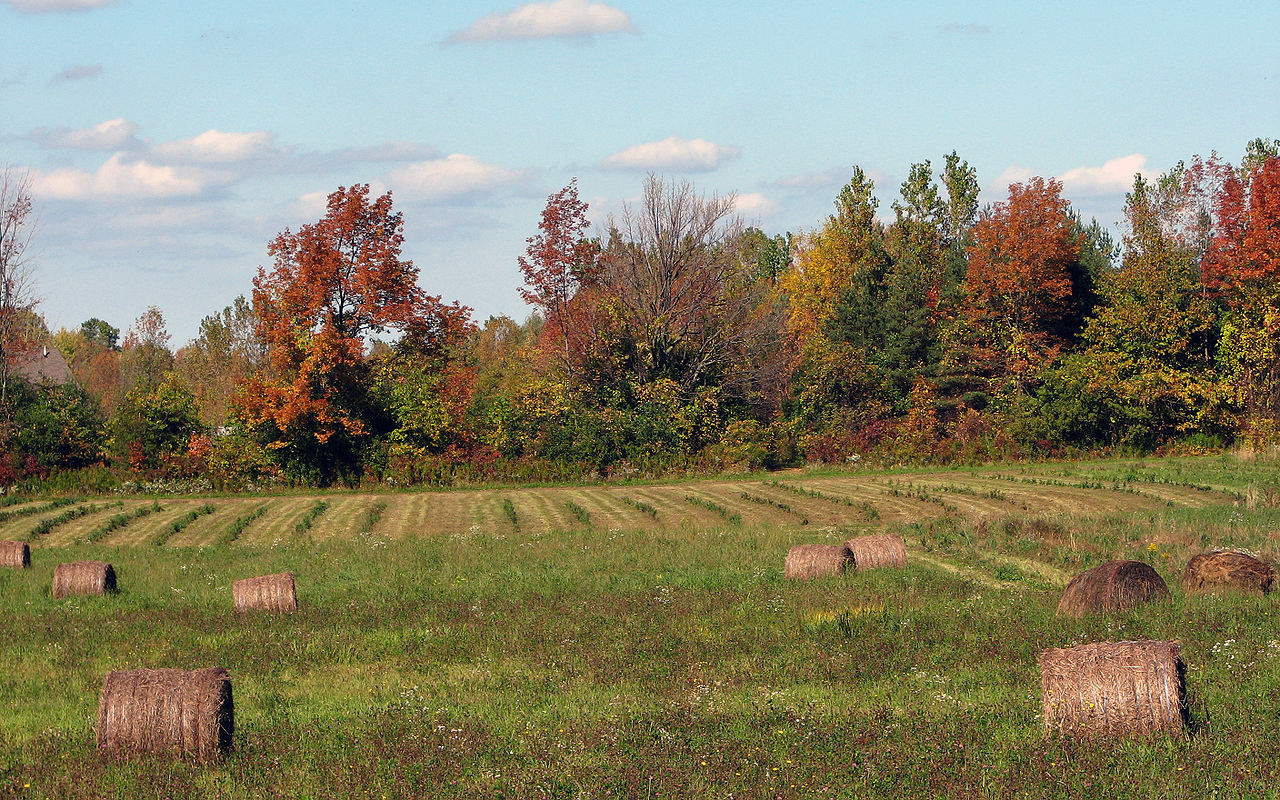
Hay is plant material — most commonly grass and leguminous plants — that has been mown, dried, and gathered for later use. Unlike fresh pasture, hay is preserved by reducing moisture so it resists spoilage. After cutting, forage can be piled in a haystack or compressed into bales for transport and storage. Bales are typically either round or rectangular (often called square bales).
Image gallery
10 Images






Characteristics and composition
Hay is composed mainly of the leafy and flowering parts of plants, which supply fiber, energy and varying levels of protein and minerals. Common hay species include grasses and legumes such as timothy, orchardgrass, clover and alfalfa. Legume hays are generally richer in protein and calcium than grass hays. Quality depends on species, soil fertility, and the stage of growth at cutting: younger, leafier plants make more nutritious hay, while mature stems increase bulk but lower digestibility.
Production, curing and baling
Producing good hay requires careful timing and drying. After cutting, forage is left to cure in the field until moisture falls to safe levels; it is then raked and collected. Modern equipment — mowers, tedders, rakes and balers — greatly reduced labor compared with hand tools. Baling compresses and binds the cured hay into manageable units; density and moisture at baling affect storage life. Improperly dried bales can heat, mold or even combust due to microbial activity.
Types, uses and common animals
- Common uses: dry feed in seasons without grazing, bedding for livestock, erosion control and mulch.
- Animals fed hay include horses, cattle, goats, donkeys and rabbits, among others. Different animals require different hay types and particle sizes.
- Hay differs from preserved feeds such as silage: hay is dried, while silage is stored wet and fermented.
Storage, quality and safety
Good storage keeps hay dry, ventilated and off the ground to limit mold and deterioration. Feed quality can be assessed by smell, leaf-stem ratio and laboratory analysis for nutrients. Dust and mold spores in old or damp hay can harm respiratory health in animals and people. Avoid feeding baled hay with visible heating, musty odor or obvious spoilage. Routine testing and careful handling reduce health risks and ensure animals get the intended nutrition.
History and notable distinctions
Haymaking is an ancient practice that became steadily mechanized from the 19th century onward with the development of mowers and later baling machinery. A key distinction often made in agriculture is between hay and straw: straw is the dry stems left after harvesting cereal grains and is mainly used for bedding and thatch because it is low in nutrients. Another common feed plant, alfalfa, is prized when used as hay for its high protein content. When learning or planning forage systems, producers also consider pasture and pasture management and broader rangeland practices to balance grazing, hay production and environmental goals.
Related articles
Author
AlegsaOnline.com Hay: dried forage for animal feed, storage, and common uses Leandro Alegsa
URL: https://en.alegsaonline.com/art/42950