
Hazel (Corylus): description, species, uses and ecology
Hazel refers to shrubs and small trees in the genus Corylus (family Betulaceae), valued for edible hazelnuts, wood and wildlife habitat across the temperate Northern Hemisphere.
Overview
Hazel commonly denotes members of the genus Corylus, a group of deciduous shrubs and small trees in the birch family Betulaceae. These plants are best known for producing hazelnuts (also called filberts), which are eaten fresh, roasted, or processed into oils and pastes. Hazel species occur across the temperate regions of the Northern Hemisphere and are important in both natural and cultivated landscapes.
Image gallery
9 Images



Characteristics
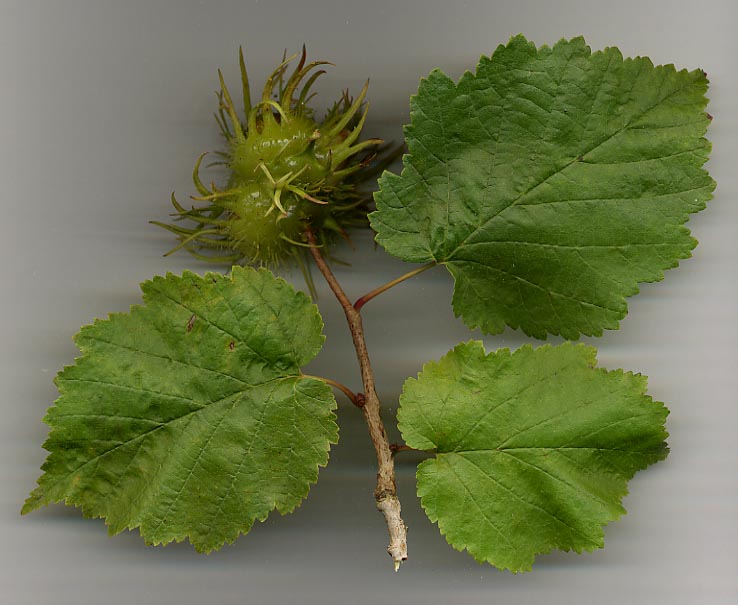
Hazels are generally multi-stemmed shrubs or small, single-stem trees. Leaves are simple, alternately arranged, and typically have a rounded or heart-shaped outline with a serrated margin. Reproduction is notable for separate male and female flowers on the same plant: long pendulous catkins release pollen in spring while tiny, often inconspicuous female flowers develop into a nut enclosed by a leafy involucre or husk.
Distribution and history
Wild hazels are native to Europe, Asia and North America. Human use goes back millennia: archaeological and historical records show hazelnuts were gathered and cultivated for food. Modern horticulture developed selected cultivars for larger, milder-flavored nuts and for reliable cropping; commercial production is concentrated in temperate regions. For broader taxonomic context and lists of species, see species resources.
Uses and importance
- Food: Hazelnuts are consumed raw, roasted, or as ingredients in confections and spreads.
- Wood and craftsmanship: Flexible stems are used for wattle fencing, stakes and rustic furniture; coppicing produces slender poles.
- Ecology: Hazel provides food and shelter for birds, mammals and invertebrates and is used in hedgerows and restoration plantings.
Practical cultivation guidance and commercial information are available through agricultural and horticultural guides: cultivation and care.
Notable species and distinctions
Common species include Corylus avellana (common hazel), Corylus colurna (Turkish hazel), Corylus americana (American hazel) and Corylus maxima (filbert). While the word "filbert" is often used interchangeably with hazelnut, region and cultivar preferences affect terminology. For conservation status and regional checklists consult conservation resources.
Overall, hazels are versatile plants combining edible yield, practical materials and ecological value, widely cultivated and appreciated in both rural and urban settings.
Related articles
Author
AlegsaOnline.com Hazel (Corylus): description, species, uses and ecology Leandro Alegsa
URL: https://en.alegsaonline.com/art/42998
Sources
- apps.kew.org : Kew World Checklist of Selected Plant Families