
Heliconia — tropical flowering plants (lobster-claws, false bird-of-paradise)
Heliconia is a genus of colorful tropical plants known for showy bracts. Native to the Americas and Pacific islands, they are valued in gardens and floristry and play specialized roles in tropical ecosystems.
Heliconia is a genus of perennial flowering plants valued for their strikingly colored bracts and tropical foliage. Often called lobster-claw, wild plantain or false bird-of-paradise, members of this genus are grown both in native habitats and worldwide in warm climates for ornamental use. For a general overview of the group see Heliconia overview.
Image gallery
10 Images

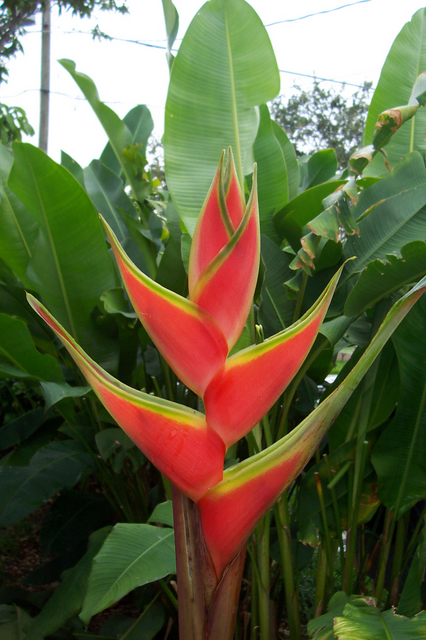


Description and key characteristics
Heliconias produce inflorescences composed of overlapping, often brightly colored bracts that surround the true, usually small flowers. The bracts persist as long-lasting floral features, which makes many species popular as cut flowers. Leaves are large and paddle-shaped, resembling those of bananas; both belong to the same order (Zingiberales) though they are in different families. Growth habit varies widely: some species remain low and clumping, while others form tall, cane-like stems.
Distribution, habitat and diversity
Species of Heliconia are native primarily to the tropical Americas, and some occur on Pacific islands extending west toward Indonesia. The genus comprises roughly between 100 and 200 described species; for further taxonomic information consult species resources. Heliconias occupy humid forests, forest edges, riverbanks and disturbed sites where light and moisture conditions suit them. Different species tolerate sun or partial shade, and many colonize understory gaps created by tree fall.
Ecology and pollination
Heliconias have evolved close relationships with their pollinators. In the Neotropics many species are adapted to hummingbird pollination: the shape, color and nectar rewards of inflorescences match particular bird species. In other parts of their range or for certain taxa, insects or other vertebrates may act as pollinators. The plants also provide shelter and food resources for insects, small vertebrates and a variety of specialized organisms.
Cultivation, uses and examples
Heliconias are widely cultivated in tropical and subtropical gardens for their ornamental bracts and architectural foliage. They are grown from divided rhizomes and require warm temperatures, high humidity and well-drained, fertile soil. Common horticultural uses include mixed tropical borders, specimen planting and indoor conservatories. Cut bracts and inflorescences are long-lasting in floral arrangements, which contributes to their commercial importance.
Taxonomy, history and conservation
The genus name echoes Mount Helicon of Greek myth and reflects the plants' showy appearance. Heliconias are distinct from the so-called bird-of-paradise (Strelitzia) despite superficial similarity; they belong to separate families with different flower structures. Habitat loss and collection have placed some species at risk, and conservation attention focuses on preserving forest habitats and genetic diversity. For regional occurrence and distribution maps see Americas distribution and Pacific and Asian records.
- Typical features: showy bracts, paddle-shaped leaves, rhizomatous growth.
- Propagation: rhizome division; seed used in breeding programs.
- Notable uses: tropical landscaping, cut-flower trade, ecological interactions with pollinators.
Further reading and databases linked above provide species lists, cultivation advice and conservation status for gardeners, botanists and conservationists interested in this colorful and ecologically significant group of plants.
Related articles
Author
AlegsaOnline.com Heliconia — tropical flowering plants (lobster-claws, false bird-of-paradise) Leandro Alegsa
URL: https://en.alegsaonline.com/art/43353