
Helichrysum: the everlasting flowers of the daisy family
Helichrysum is a diverse genus of about 600 species in the family Asteraceae, known for papery, long-lasting flower heads and uses in ornamentals, dried arrangements, traditional remedies and essential oils.
Helichrysum is a genus of flowering plants in the daisy family (Asteraceae) that includes roughly six hundred described species. Members of this group are commonly called everlasting or immortelle because their inflorescences resist decay and retain color when dried. The genus is widespread in several temperate and subtropical regions and is valued for both horticultural and practical uses.
Image gallery
10 Images




Appearance and characteristics
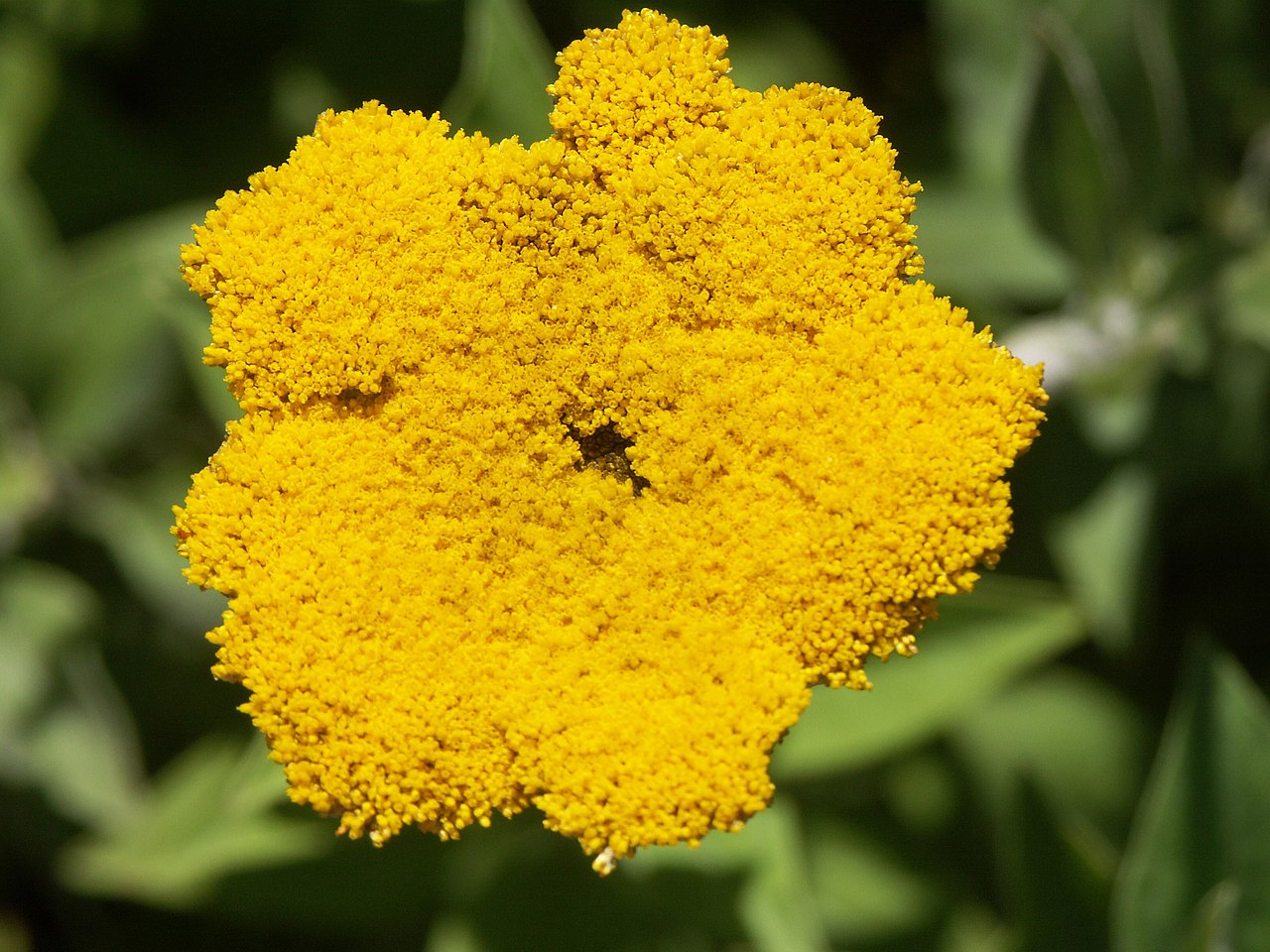
Plants in this genus range from small herbaceous perennials to low shrubs. Their flowers are typical capitula (flower heads) of the Asteraceae: compact clusters of many small florets surrounded by conspicuous papery bracts. Many species have silvery or woolly leaves that reduce water loss and reflect harsh sunlight, adaptations that suit dry, rocky habitats. The durable bracts make Helichrysum popular for dried floral arrangements.
Distribution and habitat
Helichrysum species occur across Africa (including Madagascar), Eurasia and Australasia, with a notable concentration of diversity in South Africa. Different species occupy a variety of environments, from coastal dunes and grasslands to alpine slopes and arid scrub. Several are adapted to nutrient-poor soils and can be important components of local plant communities.
Uses and cultural importance
Several species are cultivated for ornamental use, especially in rock gardens and borders. Beyond horticulture, some Helichrysum are sources of essential oil (most famously Helichrysum italicum, known in the trade as "immortelle" oil) used in perfumery and cosmetics. Traditional herbal uses exist in many regions, where decoctions or infusions have been applied to minor wounds or skin conditions; such uses are part of ethnobotanical practice rather than universally proven medical treatments.
- Ornamental plants and dried flowers
- Cosmetic and aromatherapy ingredients
- Traditional herbal remedies and local uses
Taxonomy, name and notable species
The genus belongs to the larger family Asteraceae and contains many taxa that have been reclassified over time as botanists refine relationships. The name Helichrysum is believed to derive from Greek elements often rendered as "turn around" and "gold"; this etymology is discussed in botanical literature and summaries of classical names (etymology sources). For lists and species counts see general references on the genus (species overview).
Well-known species include Helichrysum italicum (used commercially for its fragrant extracts) and several regional endemics of conservation interest. The genus is taxonomically complex, so names and circumscription have changed with molecular studies; gardeners and researchers should consult up-to-date taxonomic resources when identifying particular plants.
Questions and answers
Q: What is Helichrysum?
A: Helichrysum is a type of flower that belongs to the sunflower family (Asteraceae).
Q: How many species of Helichrysum are there?
A: There are about 600 species of Helichrysum.
Q: What is the meaning of the name Helichrysum?
A: The name Helichrysum comes from two Greek words: helisso, which means to turn around, and chrysos, which means gold.
Q: Where does Helichrysum grow?
A: Helichrysum grows in Africa, Madagascar, Australasia, and Eurasia.
Q: Are there any specific regions where Helichrysum has many species?
A: Yes, there are many species of Helichrysum in South Africa.
Q: Can Helichrysum be found in any other continents?
A: Helichrysum can be found in Eurasia, Madagascar, and Australasia.
Q: What is the family to which Helichrysum belongs?
A: Helichrysum belongs to the sunflower family, known as Asteraceae.
Related articles
Author
AlegsaOnline.com Helichrysum: the everlasting flowers of the daisy family Leandro Alegsa
URL: https://en.alegsaonline.com/art/43351