
Harry Carey: Early Western Star and Character Actor
Biography of Harry Carey (1878–1947), American actor prominent in silent Westerns and later character roles, best known for collaborations with John Ford and his Academy Award–nominated turn in Mr. Smith Goes to Washington.

Overview
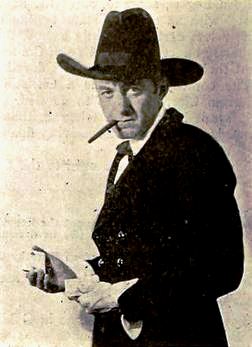
Henry DeWitt Carey II (January 16, 1878 – September 21, 1947), known professionally as Harry Carey, was an American actor whose career spanned stage, silent films and sound pictures. He became one of the early stars of the Western genre and later reinvented himself as a respected character actor in the 1930s and 1940s. His long career included collaborations with prominent directors and a widely noted supporting role in Mr. Smith Goes to Washington, which brought him an Academy Award nomination.
Image gallery
6 Images


Early life and beginnings
Carey was born in The Bronx, New York City, and began performing on stage before turning to motion pictures. He entered the nascent film industry during the 1910s and soon became associated with frontier stories that suited his imposing presence and laconic style. Contemporary reports and later retrospectives highlight his role in shaping the screen image of the Western hero during the silent era.
Career and screen persona
Carey became a regular leading man in silent Westerns and worked with notable filmmakers of the period. His partnership with director John Ford helped define the tone of many early cowboy films: stoic, often moralizing characters who balanced toughness with a reserve of decency. As the industry transitioned to sound, Carey moved more into supporting roles, where his veteran presence added weight to ensemble casts.
- Silent-era Westerns and matinee serials that established his reputation—see a general actor profile: Harry Carey (profile).
- Work in silent film highlighted here: silent film era.
- Strong association with the Western genre: Western film tradition.
Notable roles and recognition
Among his many credits, Carey is widely remembered for a dignified supporting performance as the presiding officer of the Senate in the 1939 drama Mr. Smith Goes to Washington. That role led to a nomination for the Academy Award for Best Supporting Actor and renewed public attention late in his career. For background on the office depicted on screen, see: Vice President and Senate roles, and for the film itself: Mr. Smith Goes to Washington. The Academy nomination is documented in records of awards and honors: Academy Award nomination.
Personal life and family
Carey married actress Olive Fuller Golden in 1920. He was the father of actor Harry Carey Jr., who followed his father into film and became known for roles in studio Westerns and collaborations with the same directors that had employed his father. See a brief reference to his son: Harry Carey Jr..
Death and legacy
Carey died in Los Angeles at the age of 69. Contemporary accounts list lung disease among the health issues he suffered; some reports note a coronary thrombosis and mention complications after an insect bite, though details vary among sources. For context on these reports and locations connected to his life: birthplace, lung disease, reports of a bite, and Los Angeles. Regardless of the precise circumstances, his death marked the passing of one of the silent era's influential Western performers.
Significance
Harry Carey's career illustrates the arc of many early film stars who helped define genre conventions in silent motion pictures and then adapted to changing technologies and audience expectations. His imprint is visible in the Western's evolution and in the continued appreciation of classic films in which he appeared. For further reading on the period and his contributions, consult general film histories and directories of early Hollywood performers.
Related articles
Author
AlegsaOnline.com Harry Carey: Early Western Star and Character Actor Leandro Alegsa
URL: https://en.alegsaonline.com/art/42598
Sources
- newspapers.com : "Harry Carey Dies"