
Harry Carey Jr.
American character actor known for Westerns and frequent collaborations with director John Ford; appeared in film, television, radio and stage across a long career (1921–2012).
Harry Carey Jr. was an American character actor whose career spanned film, television, stage, radio and voice work. He is widely remembered for his steady presence in Westerns and for being part of director John Ford's informal repertory company. Carey combined ruggedness and warmth in supporting roles that helped define the mid-20th-century American Western.
Image gallery
2 Images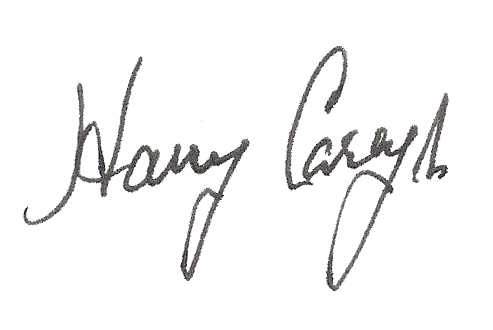

Early life and family
Carey was born on May 16, 1921, in Santa Clarita, California. He was the son of silent and early sound film star Harry Carey, and grew up around movies and actors. His upbringing gave him a lifelong familiarity with the film business and its people, which later informed his many character performances.
Career and notable roles
Throughout a long career Carey worked regularly in Westerns but also appeared in contemporary and genre pictures. He is associated with several classic titles and popular films, including The Searchers and later mainstream pictures such as Back to the Future Part III and Gremlins. He was a frequent collaborator with major stars and directors and often portrayed ranch hands, lawmen, and other sturdy supporting figures.
Selected film highlights
- The Searchers (classic Western association)
- Gremlins (later, broader-appeal picture)
- Back to the Future Part III (period-action film)
- Tombstone (ensemble Western)
Personal life and legacy
Carey married Marilyn Fix in 1944; she was the daughter of actor Paul Fix, which kept him closely connected to a network of character performers. He lived much of his later life in California and died of natural causes on December 27, 2012, at his home in Santa Barbara. His work is remembered for its dependability and the way it helped shape the tone and texture of American Western cinema.
For more on his life and filmography see contemporary biographies and film reference sources. Carey’s career is an example of a mid-century character actor whose steady contributions supported many better-known leads and directors in Hollywood's studio and post-studio eras.
More about his father | California film history | Santa Clarita local context
Related articles
Author
AlegsaOnline.com Harry Carey Jr. Leandro Alegsa
URL: https://en.alegsaonline.com/art/42597
Sources
- latimes.com : Harry Carey, Jr. dies at 91