
Western (genre): Fiction of the American frontier
An overview of the Western genre — its defining features, history from frontier literature to film and television, subgenres, notable works, and cultural influence and critiques.
Overview
The Western is a longstanding genre of fiction that centers on life and conflicts in frontier regions, most famously the American West. Stories commonly take place during the 19th century as the frontier expanded, though Western-style narratives also appear in other periods and settings. The genre spans novels, short stories, stage plays, film, and television and has produced many enduring images — cowboys, outlaws, lawmen, cattle drives, isolated ranches and dusty towns.
Image gallery
7 Images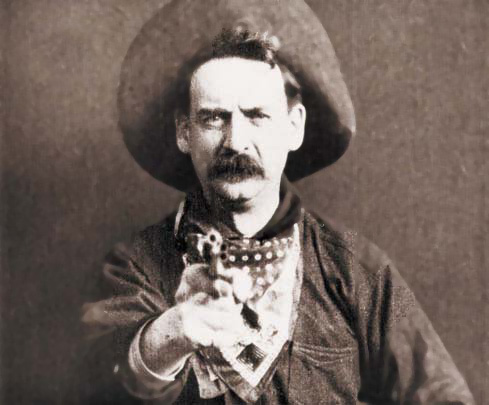




Characteristics and common elements
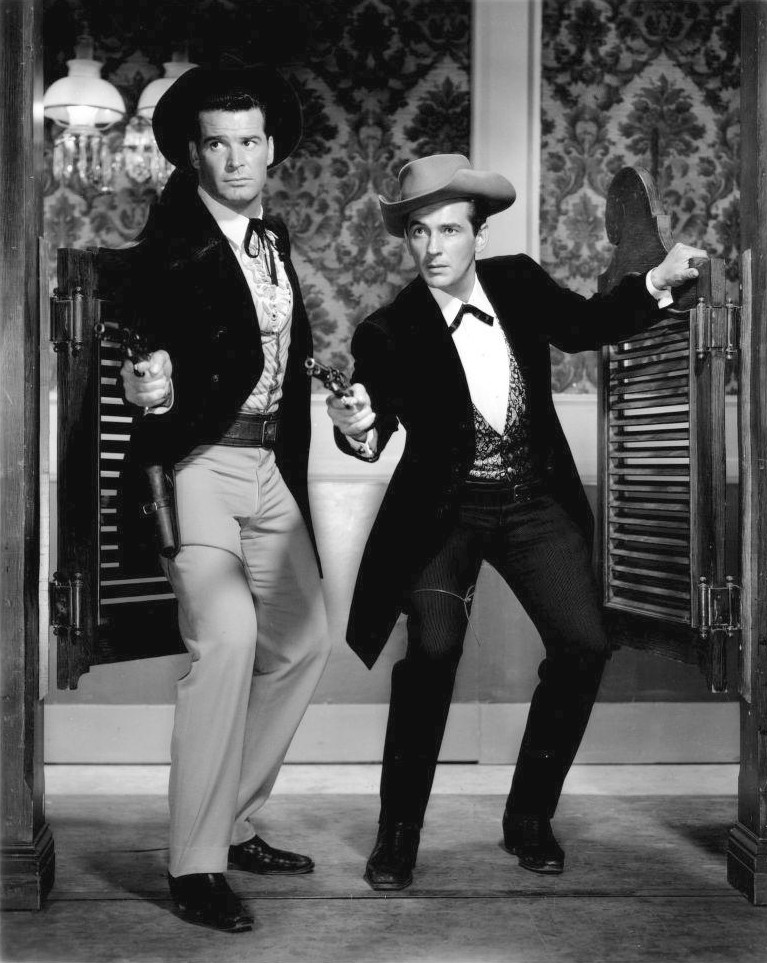
Westerns are recognizable by a set of recurring elements and visual motifs. Iconography includes wide open landscapes, horses, six-shooters, hats, saloons, stagecoaches and railroad expansion. Characters often include a solitary hero or antihero (the gunfighter or rancher), a sheriff or marshal, outlaws and settlers. Narratively, Westerns explore conflicts over land and resources, law versus lawlessness, individualism, and encounters between differing cultures.
History and development
The roots of the Western lie in 19th-century frontier literature, dime novels and regional storytelling that mythologized expansion and pioneer life. In the early 20th century the genre moved to cinema: one of the first commercially important films in the United States was the silent picture The Great Train Robbery, which introduced cinematic techniques and thrills commonly associated with Westerns. As film matured, studio-era Westerns became staples of American popular culture and later migrated to radio and television.
Subgenres, examples and global adaptations
Over time the genre diversified into distinct strands and influenced international cinema. Major subtypes include:
- Classic or frontier Westerns, which emphasize clear moral codes and heroic protagonists.
- Revisionist Westerns, which question myths of the frontier and offer more ambiguous morality.
- Spaghetti Westerns, an Italian-made variant that became popular in the 1960s and emphasized stylized visuals and antiheroes.
- Neo-Westerns or contemporary Westerns, which transplant Western themes into modern settings.
Although tied to the American Old West, the genre has been adapted in many countries and periods — for instance, stories that evoke Western tropes set in the modern Southwest or other frontiers. Early American regional influences, including cattle ranching and plains life, helped shape the genre’s subjects and tone, with roots often traced back to places like Texas where cattle culture and frontier settlement were prominent.
Themes, cultural influence and critique
Westerns have been central to how societies imagine the frontier and national identity, celebrating independence, mastery over nature and a rugged moral code. At the same time, the genre has faced critique for simplifying or mythologizing historical realities, including portrayals of Native Americans, settlers and the consequences of expansion. Revisionist works and scholarly debate have prompted more nuanced depictions over time, examining dispossession, diversity on the frontier and the consequences of violence.
Today the Western endures in many forms: historical epics, intimate character dramas, television series and films that borrow its themes. Its combination of striking landscapes, moral conflict and archetypal characters continues to influence storytelling around the world.
Related articles
Author
AlegsaOnline.com Western (genre): Fiction of the American frontier Leandro Alegsa
URL: https://en.alegsaonline.com/art/107512