
Hardcore punk: origins, style, culture, and influence
Hardcore punk is a faster, louder, and more intense offshoot of 1970s punk rock. This article explains its sound, history, scenes, DIY culture, movements, and lasting influence on popular music.
Overview
Hardcore punk, often shortened to hardcore, is a raw, high-energy offshoot of punk rock that emerged in the late 1970s and early 1980s. Compared with much of the 1970s punk scene, hardcore typically emphasizes faster tempos, shorter songs, shouted or screamed vocals, and a more aggressive delivery. Lyrical themes range from personal frustration to explicit politics, social critique, and scene-focused concerns. The term has been used broadly to describe a musical style within the wider punk subculture and music community.
Image gallery
10 Images


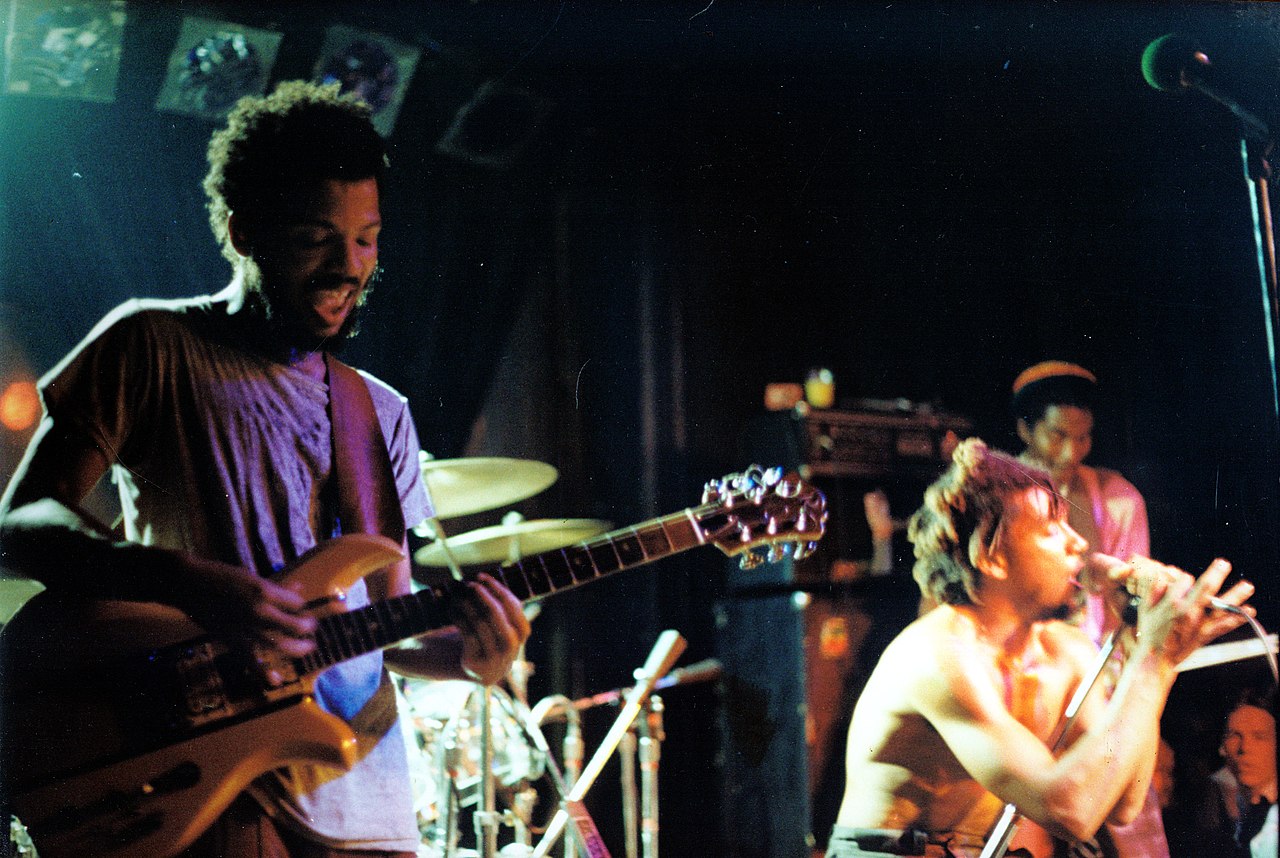


Musical characteristics
Sonically, hardcore is defined by speed and directness: rapid drumbeats, heavily distorted guitars with simple but aggressive riffs, and vocals that favor urgency over melody. Songs are often brief and concentrate intensity into compact structures rather than extended arrangements. Production values vary — from very lo-fi, self-recorded releases to cleaner studio efforts — but the aesthetic generally preserves immediacy and a sense of confrontation. Hardcore also absorbed heavier guitar techniques from metal in some regional scenes, resulting in crossover sounds.
Origins and early development
The movement grew up in separate regional scenes rather than from a single origin point. American hotspots included Southern California, Washington, D.C., New York, and Vancouver; each scene developed distinct tones and concerns. Early tracks that anticipated the form appeared in the late 1970s, and by the early 1980s the label "hardcore" was widely used to describe this accelerated, harder-edged variant of punk. Bands and recordings from these formative years built the vocabulary of the genre and helped spread it through touring and grassroots distribution networks.
Scene, style, and practices
Hardcore fostered a strong DIY culture: bands often recorded on minimal equipment, released records on independent labels, distributed music by mail-order or at shows, and organized concerts in community spaces, basements, and small clubs. Concert behavior included energetic dancing styles such as moshing and stage diving; safety and respect became recurrent topics as scenes matured. Visual style ranged from Mohawks and studded jackets to plain workwear and uniform-like outfits, reflecting both a confrontational aesthetic and an emphasis on accessibility for people from diverse backgrounds.
Movements, politics, and offshoots
Hardcore intersected with political movements and personal ethics. Some participants used the music to address political issues and social injustice; others emphasized personal discipline, leading to the emergence of the straight edge philosophy that rejects recreational drug and alcohol use. That idea later influenced subgroups and related cultural currents. Musically, hardcore spawned or helped shape a number of offshoots and hybrid genres including post-hardcore, metalcore, thrash, and more experimental strains that retained the scene's intensity while expanding its musical vocabulary.
Influence and legacy
Although rooted in underground communities, hardcore punk left a broad legacy on alternative and heavy music. Its DIY practices influenced independent record labels, zines, and grassroots touring networks. Musically, elements of hardcore informed the development of grunge, alternative rock, various metal subgenres, and contemporary punk-derived styles. The scene’s emphasis on direct expression and community organization continues to shape grassroots music cultures around the world.
Notable bands and related topics
- Bad Brains
- Black Flag
- Minor Threat
- political songwriting in hardcore
- The Exploited
- heavy metal crossover influences
- straight edge movement
- independent record labels and DIY distribution
- Do It Yourself (DIY) culture
- connections to alternative rock
- metalcore and later hybrids
- thrash metal interaction
- post-hardcore and experimental directions
- musical style overview
- punk roots
- broader music context
For readers exploring the style, listening to a cross-section of regional scenes and early recordings reveals the diversity within hardcore: some bands emphasized speed and brevity, others favored political clarity or musical fusion. The scene’s story is as much about community organization and cultural practice as it is about sound, and its influence continues to appear in underground and mainstream music alike.
Questions and answers
Q: What is hardcore punk?
A: Hardcore punk is a style of punk music that usually sounds louder, faster and more angry than earlier punk rock music from the 1970s.
Q: Who are some important bands in the genre?
A: Some of the important bands of the genre are Bad Brains, Black Flag, D.O.A., Minor Threat and Cro-Mags.
Q: What type of lyrics do hardcore songs often have?
A: Hardcore songs often have more political lyrics (words) than songs from 1970s punk.
Q: Where did the term "hardcore punk" come from?
A: No one is quite sure where the term "hardcore punk" came from. The band D.O.A may have helped to make it more popular with their album title Hardcore '81 in 1981.
Q: What was the first hardcore song ever released?
A: The first hardcore song was "Out of Vogue" by Santa Ana band The Middle Class which started to play a loud type of punk with shouted words at around the same time as NYC thrash band Stimulators released their song M.A.C.H.I.N.E..
Q: How did people dress for hardcore concerts?
A: People in hardcore punk bands and people who listened to it wore clothes that were either strange and a bit scary like Mohawk hairstyles and leather jackets with metal studs or regular clothes like black pants and T-shirts .
Q: What kind of dancing happened at these concerts?
A: At hardcore concerts, people did a type of dancing called moshing which involves pushing each other and jumping off stage .
Related articles
Author
AlegsaOnline.com Hardcore punk: origins, style, culture, and influence Leandro Alegsa
URL: https://en.alegsaonline.com/art/42408
Sources
- silver-dragon-records.com : "Hardcore Punk music history"
- punkoiuk.co.uk : "D.O.A. To Rock Toronto International Film Festival"
- punknews.org : "D.O.A."
- charlotte.creativeloafing.com : "Rocked By The Vote | News | Creative Loafing Charlotte"