
Harmonium
A harmonium is a free-reed keyboard instrument powered by hand or foot bellows. Developed in the 19th century, it became especially important in South Asian devotional and classical music.
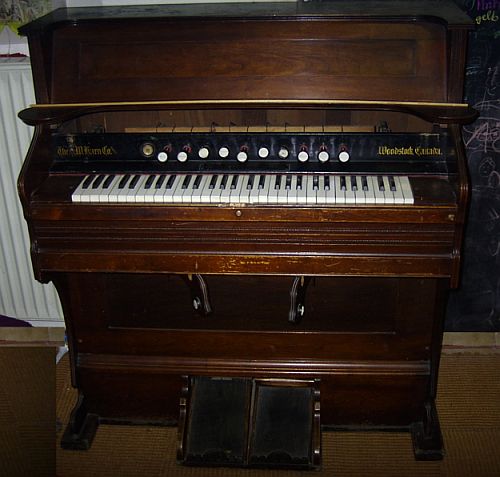
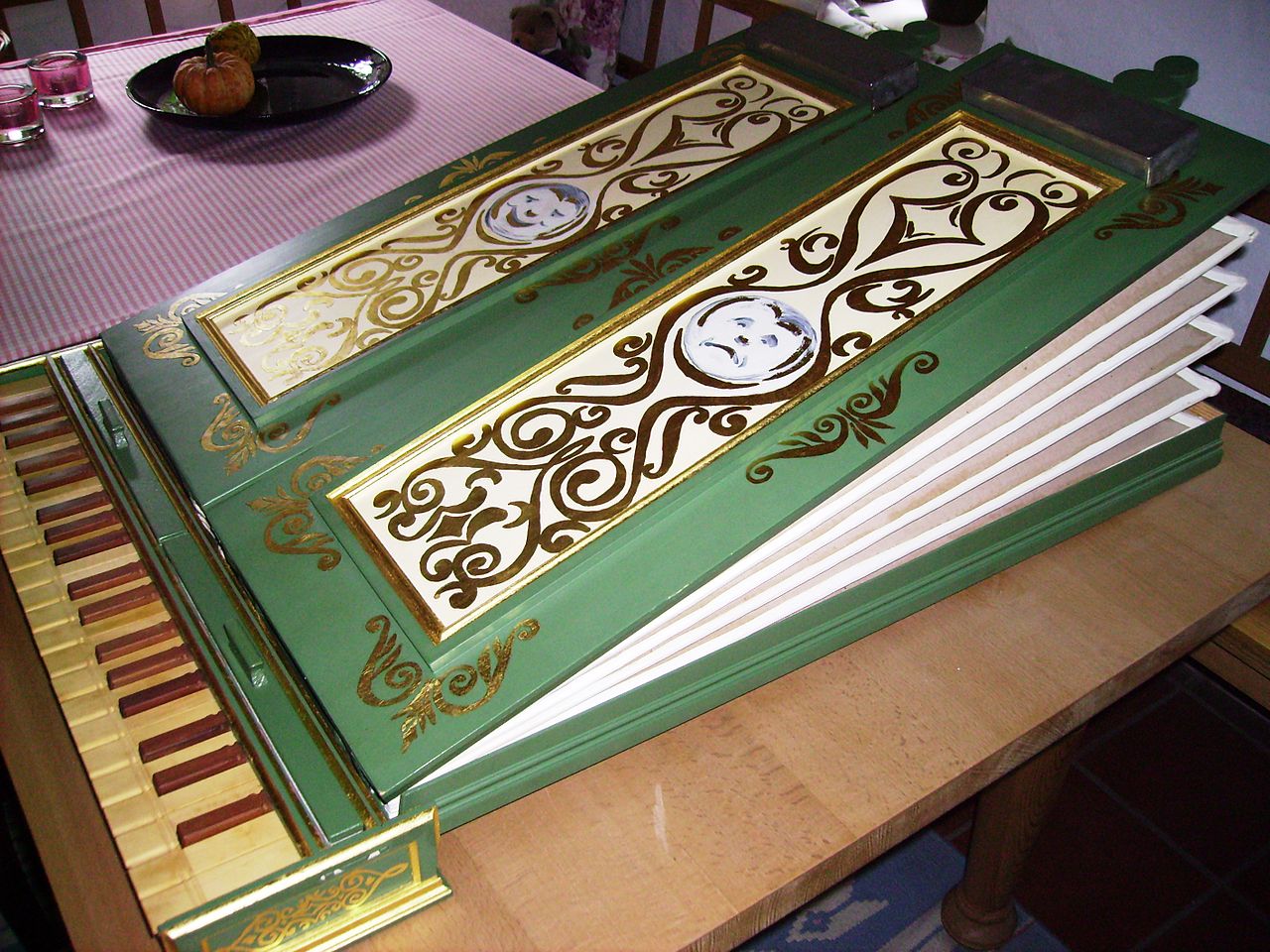
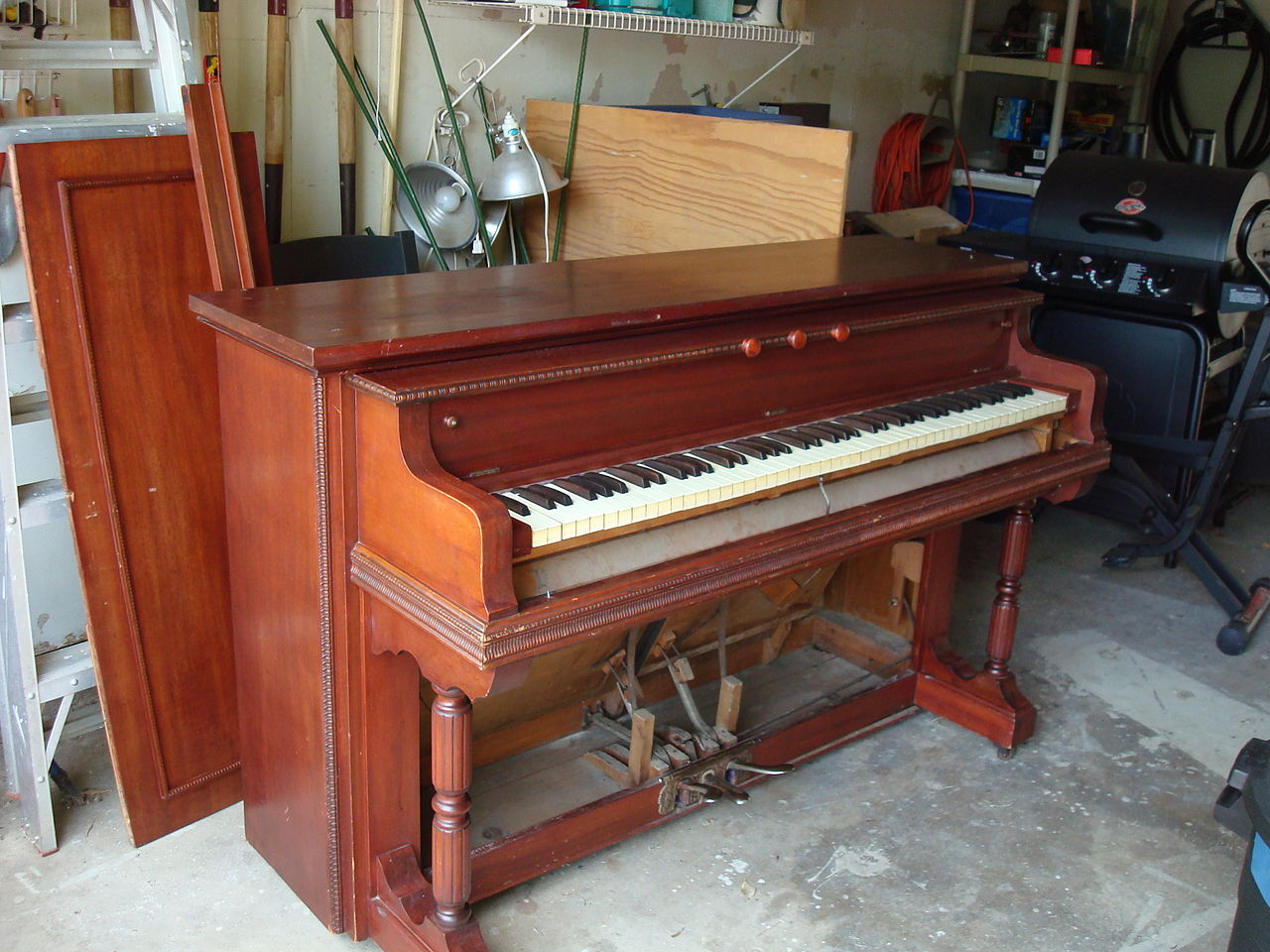
A harmonium is a keyboard instrument in the family of free-reed instruments. It resembles an organ, but instead of pipes it uses metal reeds that vibrate when air passes over them. The player keeps the sound moving by pumping air, which allows the instrument to sustain tones and chords in a way that is different from a piano. Depending on region and usage, it may also be called a reed organ, pump organ, or melodeon.
Image gallery
10 Images


How it works
Its basic principle is simple: air is forced through tuned reeds, producing notes at different pitches. The reeds are arranged so that pressing a key opens a path for air to reach the correct reed and create musical notes. Because the tone lasts only while air is supplied, the performer shapes phrasing by controlling the pump as well as the keyboard. That makes the harmonium both a melodic and an accompaniment instrument.
- In a foot-pumped model, the performer uses the feet or hands to keep the airflow steady.
- The foot version uses pedals connected to a mechanism that drives a bellows, leaving both hands free for the keys.
- A hand-pumped version uses a handle or lever, so one hand must usually keep the air supply going unless the player can build up enough pressure first.
History and development
Modern harmoniums emerged in the 19th century, when inventors in Europe were experimenting with compact free-reed keyboards for homes, salons, and small churches. The best-known foot-pumped design is associated with Paris, where Alexandre Debain patented an improved version in 1842, although related instruments appeared elsewhere around the same time. Earlier examples included the physharmonica in Vienna and the seraphine in England. These instruments are now mostly of historical interest, but they show how widely the idea of a portable reed keyboard spread.
Use in South Asia
The hand-pumped form became especially important in South Asia because it could be played while seated on the floor and carried relatively easily from place to place. It is widely used in India, Pakistan, Nepal, Afghanistan, Bangladesh, and other South Asian settings. In these traditions it often supports singers in Hindustani classical music, bhajans, natya sangeet, and devotional styles, including Qawwali and related Sufi performance.
Characteristics and related instruments
Musicians value the harmonium for its clear tone, steady accompaniment, and ability to sustain chords without a large ensemble. It is especially useful for vocal music, where it can outline the scale, hold a drone, or reinforce melodic phrases. Compared with a pipe organ, it is smaller and more portable; compared with an accordion, it is usually set on a table or the floor rather than worn on the body; and compared with a piano, its sound can be more sustained but less percussive. These qualities helped the harmonium remain useful in both domestic music-making and stage performance, even as newer electronic instruments became common.
Today the harmonium is still heard in religious services, classical concerts, folk traditions, and teaching studios. Its long history shows how a practical mechanical design can adapt to very different musical cultures while keeping the same basic idea: a keyboard that speaks through moving air and vibrating reeds.
Questions and answers
Q: What is a harmonium?
A: A harmonium is a keyboard instrument that produces sound by blowing air through reeds, which are tuned to different pitches to make musical notes.
Q: How does a foot-pumped harmonium work?
A: In a foot-pumped harmonium, the player presses two pedals with his or her feet, one at a time. This is joined to a mechanism which operates a bellows, sending air to the reeds. This allows both of the player's hands to be free for playing the keyboard.
Q: Who invented the foot-pumped harmonium?
A: The foot-pumped harmonium was invented in 1842 by Alexandre Debain of Paris, although similar instruments have been made in other places around the same time.
Q: How does a hand-pumped harmonium work?
A: In a hand-pumped harmonium, the player pushes and pulls a handle back and forth with one hand, which is joined to the bellows that blows the air. Because of this, he or she can only use one hand to play the keys as the other has to keep pumping the bellows. Some players can pump enough air with one hand and then play both hands on the keys when necessary.
Q: Who created the hand-pumped version of this instrument?
A: The hand-pumped version of this instrument was created by Dwarkanath Ghose so that it could be played while sitting down on floor.
Q: Where is this type of instrument used?
A: This type of instrument is used in India, Pakistan, Nepal, Afghanistan, Bangladesh and other South Asian countries as an accompanying instrument in Hindustani classical music, Sufi Music, Bhajan and other devotional music Qawwali Natya Sangeet and various genres including accompaniment for Classical Kathak Dance and other entertainments.
Q: What were some similar instruments developed during this time period ? A: During this time period , Anton Haeckl constructed physharmonica ,a keyboard filled with free reeds . John Green also invented seraphine ,which produced music when air was blown over metallic reeds . These instruments are now museum pieces .
Related articles
Author
AlegsaOnline.com Harmonium Leandro Alegsa
URL: https://en.alegsaonline.com/art/42496
Sources
- commons.wikimedia.org : Harmoniums
- patmissin.com : Western free reed instruments
- youtube.com : Difference between Nada and Shruti
- youtube.com : Precice positions of 22 Shrutis
- youtube.com : Accordian played on 22 Shruti Harmonium